


Heat Integration for Lithium Refineries
In any lithium refinery heat integration project, the starting point is pinch analysis. This thermodynamic method helps identify the most efficient way to match process heat sources and sinks across evaporation and crystallization steps.
The principle is straightforward: every hot stream that needs cooling (a source) should be paired with a cold stream that requires heating (a sink). The “pinch point” is the narrowest temperature difference in this network and dictates the minimum utility demand for heating and cooling.
For lithium refineries, where evaporators and crystallizers account for a significant portion of energy use, pinch analysis provides a map of where internal heat recovery can displace external utilities, such as steam and chilled water. The result is not just cost savings, but also a smaller environmental footprint and improved long-term profitability.
Heat Sources & Sinks
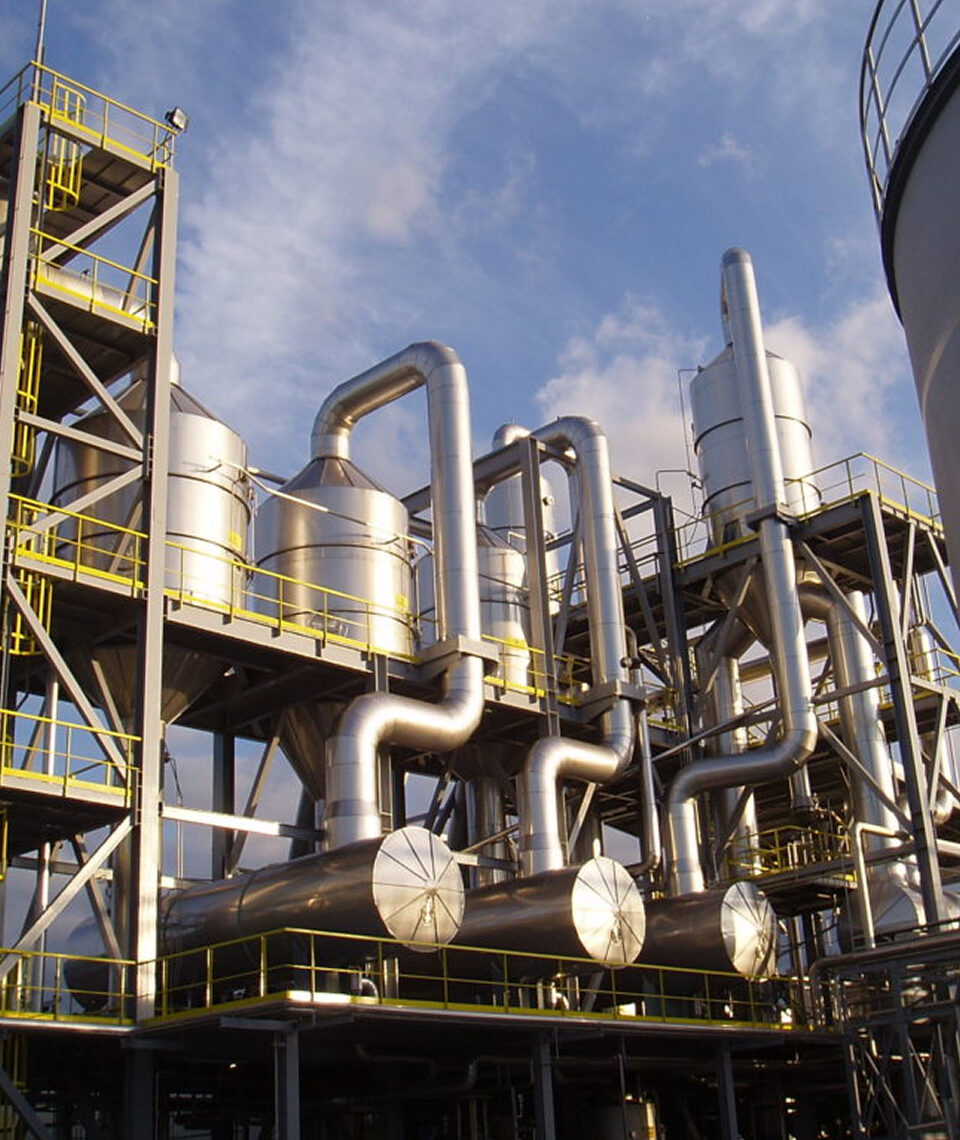
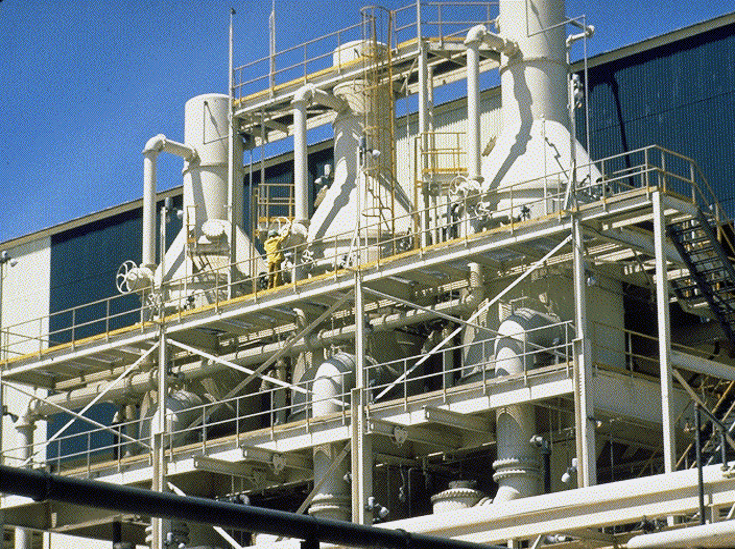
Evaporation and crystallization consume large amounts of energy. Forced circulation and falling-film evaporators, both core equipment types in lithium refining, are designed to move large volumes of liquid under high heat loads. These become the obvious “heat sinks.”
Meanwhile, several natural heat sources exist across refinery operations:
- Condensation from evaporators: Vapor released in one effect can be used to preheat feed streams or another effect in a multi-stage design.
- Hot product streams: Concentrated brine or mother liquor leaving an evaporator retains heat that can be recovered before discharge.
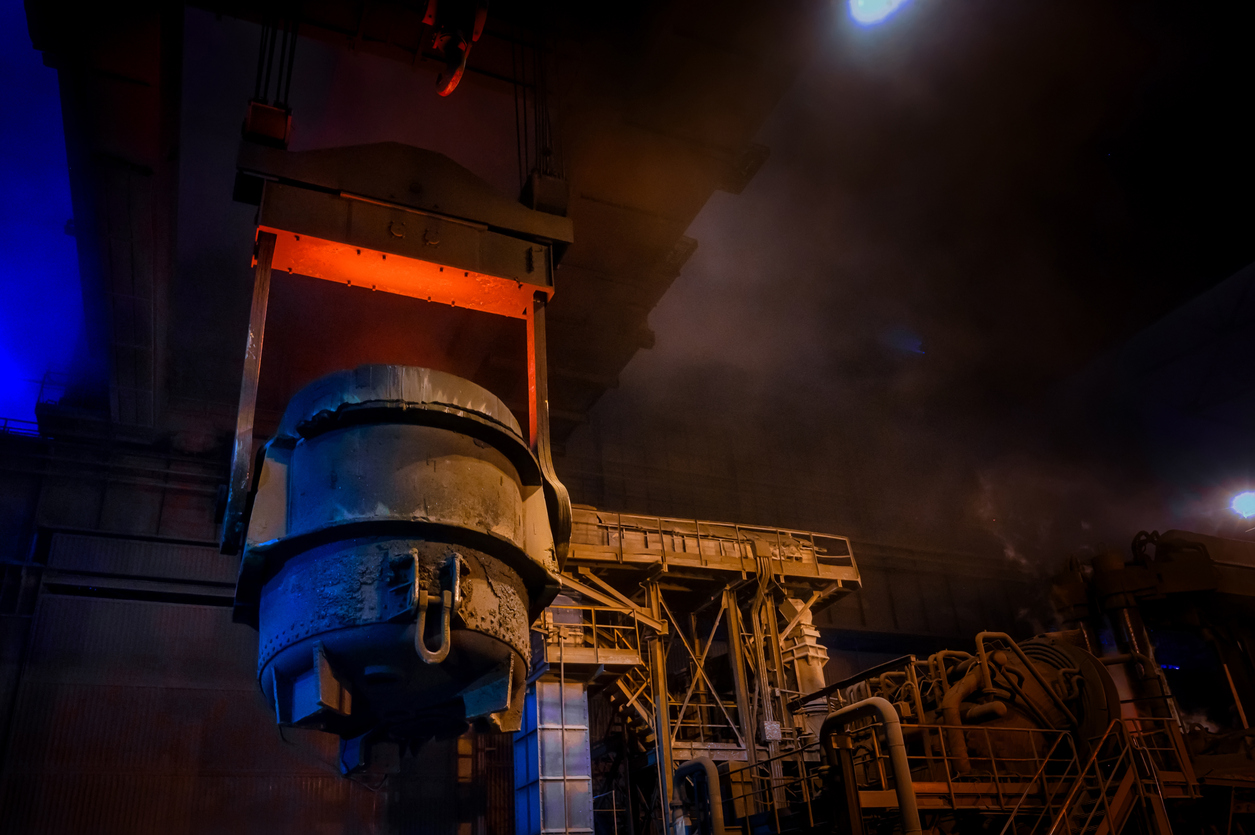
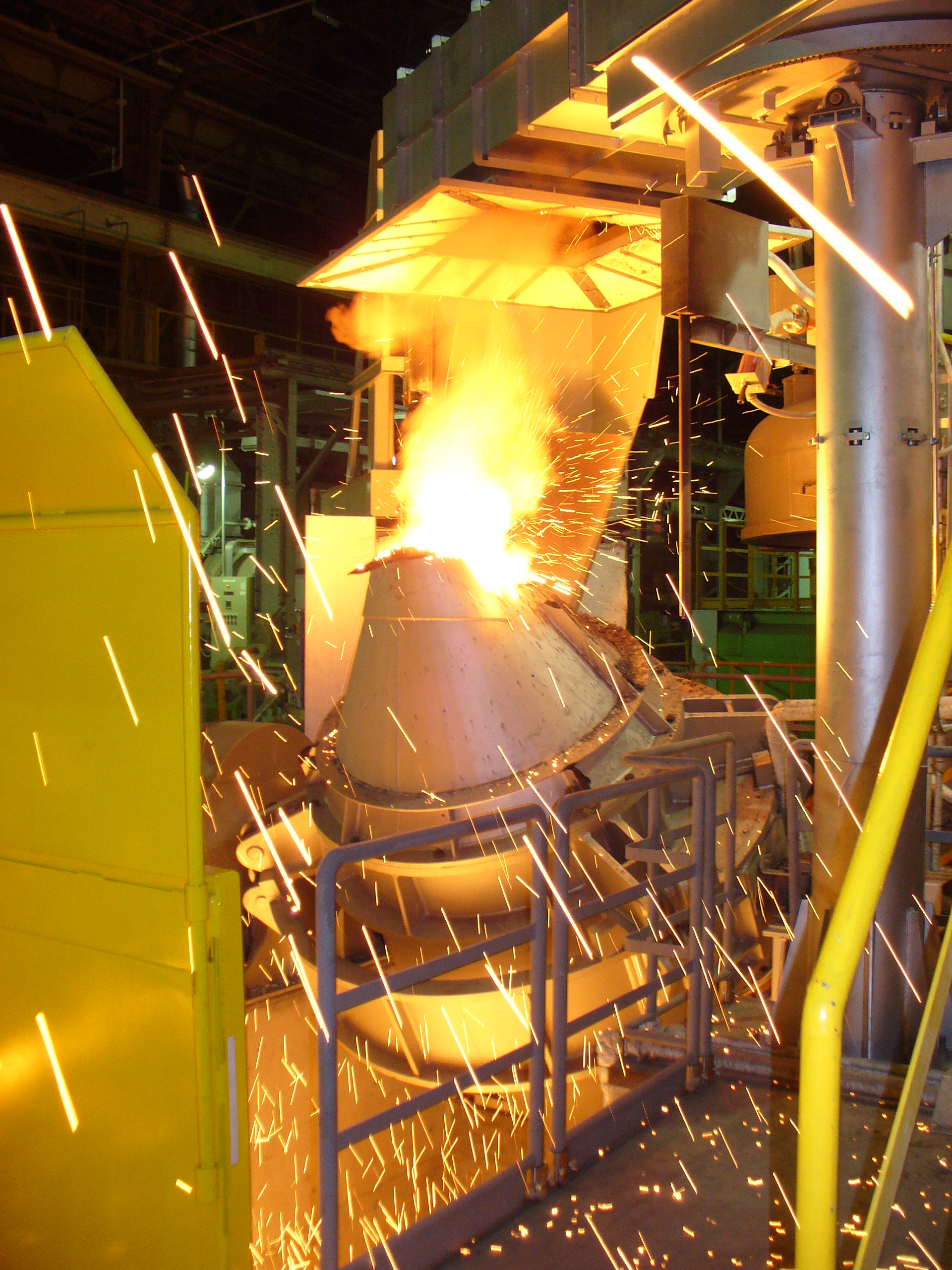
- Preheaters: Whiting’s track record in metallurgical equipment includes preheating AOD vessels and ladle linings at up to 10 × 10⁶ Btu/h. The same philosophy of controlled heat delivery also applies to preheating lithium brine feeds or crystallizer liquor streams.
Cooling duties are just as essential. Water-cooled sidewalls, oxygen lances, and even motorized fume hoods in Whiting’s furnace systems demonstrate our deep familiarity with handling high-temperature equipment. These parallels highlight how lessons from heavy metallurgy are directly applicable to lithium evaporation and crystallization, where stable cooling is essential for reliable operation.
HX Network Design
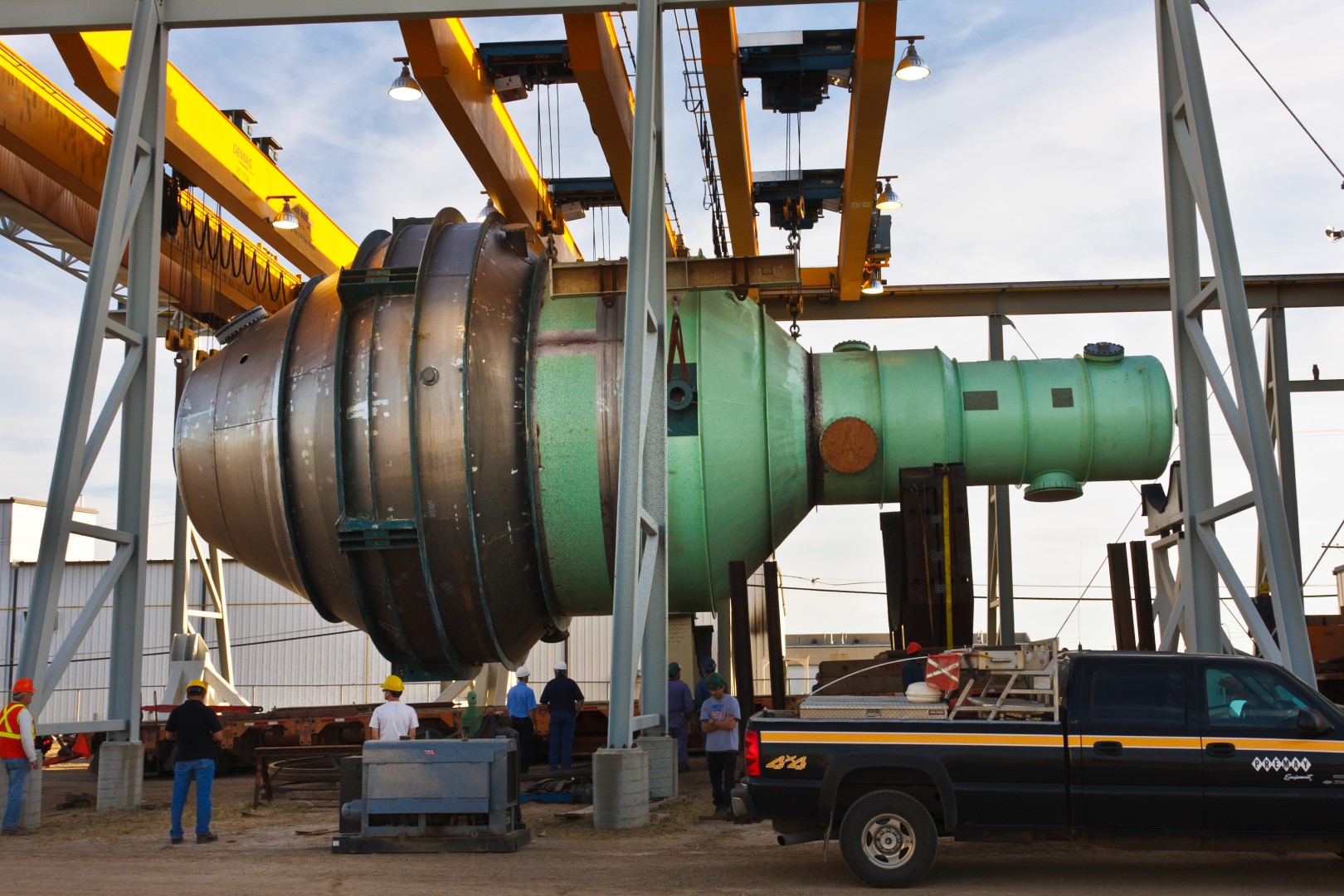
With sources and sinks mapped, the next step is to design the heat exchanger (HX) network. A well-structured HX network connects hot and cold process streams while minimizing the need for external utilities.
Key considerations include:
- Fouling tendencies: Pilot testing at Swenson facilities often evaluates fouling and scaling in brines. These same insights drive HX design to ensure long-term efficiency.
- Flow rates and residence time: High circulation velocities, such as those in forced circulation evaporators, demand robust exchanger designs.
- Flexibility: Lithium feedstocks vary significantly, requiring HX networks that can adapt to new impurity profiles or throughput changes.
Designing HX networks around these realities allows lithium refineries to capture energy that would otherwise be lost, reducing steam loads and optimizing brine concentration steps.
Utility Optimization
Utility optimization is closely tied to HX design. The goal is to reduce purchased energy (steam, electricity, cooling water) while ensuring consistent product quality.
Whiting and Swenson’s control systems are already proven in high-energy industrial environments. For example, the Volta Furnace Master and Volta-SAF Regulator utilize PLC and SCADA frameworks to monitor power flows, temperatures, and utility loads in real-time. Modules like KW/KVAR demand control help balance power factors and reduce peak demand.
Applied to lithium refining, these controls enable:
- Continuous monitoring of evaporator steam use.
- Real-time adjustments to cooling-water circulation.
- Integrated alarms and trend analysis for heat exchanger fouling.
This level of instrumentation ensures that heat integration strategies are not just designed on paper, but actively maintained during plant operation.
Worked Example
Consider a refinery producing lithium carbonate from brine. A forced circulation evaporator concentrates the brine, releasing large volumes of vapor. Instead of venting or condensing this vapor with external cooling, it is routed through a multi-effect system, where it serves as the heating medium for the next stage.
At the same time, the crystallizer mother liquor leaving the system at an elevated temperature passes through a heat exchanger, warming the incoming brine feed before it enters the first effect. The result:
Cooling tower loads decrease, lowering OPEX.
The HX network pays for itself within a few years by reducing fuel costs and water use.
This example illustrates how lithium refinery heat integration is not merely an academic exercise, but a practical approach to reducing energy costs and enhancing sustainability.
Retrofit Considerations
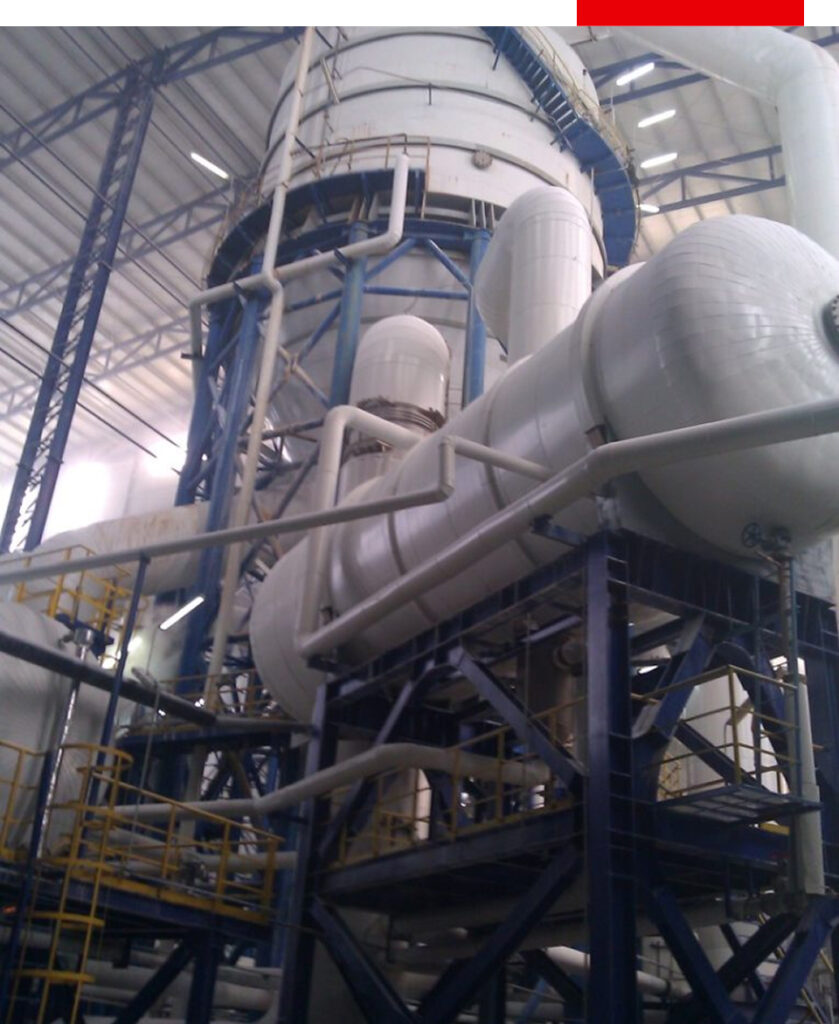
Not every refinery is built from scratch. Many lithium operations need retrofits to improve efficiency without halting production.
Whiting’s business model is built around solving complex challenges in existing facilities. The modular nature of its equipment and controls allows staged retrofits:
- Step 1: Install monitoring and control upgrades (PLC/SCADA dashboards) to capture baseline utility data.
- Step 2: Add incremental HX capacity or reroute streams for partial recovery.
- Step 3: Expand integration as savings from earlier stages fund further improvements.
The flexibility of modular retrofits allows plants to adopt integration strategies gradually, aligning with capital budgets while still achieving significant savings.
Conclusion
Evaporation and crystallization are the backbone of lithium refining, but they are also the largest energy consumers. By applying pinch analysis, mapping heat sources and sinks, and building robust HX networks with real-time control, refineries can dramatically reduce energy use.
For operators, the benefits are clear: lower OPEX, stronger ESG performance, and higher profitability. Whether building new facilities or upgrading existing ones, lithium refinery heat integration is an essential strategy for long-term success.
Looking to cut energy costs and improve sustainability in your lithium refining operations?
Whiting Equipment Canada, in collaboration with Swenson Technology, designs evaporation and crystallization trains with built-in heat-integration strategies. Our team can help you optimize utilities, reduce waste, and achieve reliable battery-grade output. Contact us to discuss a tailored solution for your refinery.