



Li₂CO₃/LiH Crystallization Train Design
Designing a lithium carbonate crystallization train or a lithium hydroxide crystallization system requires more than just equipment — it requires a comprehensive engineering pathway that begins with modeling and culminates in commercial delivery. Each step is designed to produce consistent, battery-grade lithium products that meet the stringent standards of the EV supply chain.
Process Blocks
Every crystallization train is built on a sequence of well-defined process blocks. These ensure that risks are minimized and that the final design reflects both chemistry and economics.
- Modeling and Simulation – The process begins with a thermodynamic and chemical assessment of the specific lithium source, whether brine or hard rock. This step is vital for identifying impurity behaviors and establishing the framework for process efficiency.
- Bench Testing – At laboratory scale, proof-of-concept tests validate the flowsheet. Data on morphology, yield, and purity are collected to inform the design.
- Pilot Testing – Pilot plants generate operational data on scaling tendencies, fouling, and separation requirements. This information is crucial for accurately sizing crystallizers, evaporators, centrifuges, and dryers.
- Equipment Sizing and Cost Estimation – Using pilot data, engineers design the complete commercial plant, integrating crystallizers, dryers, and evaporators into a tailored refining system.
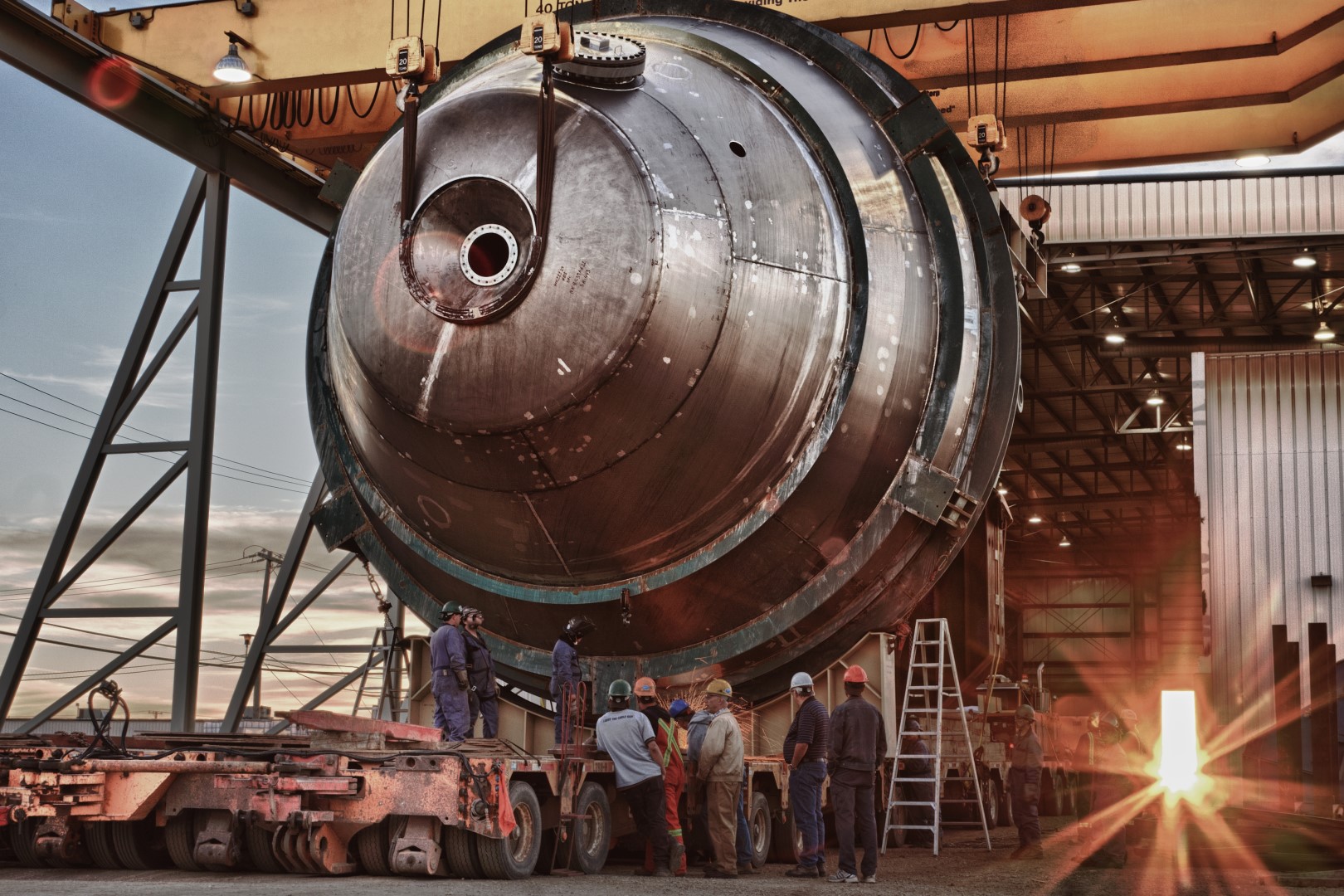
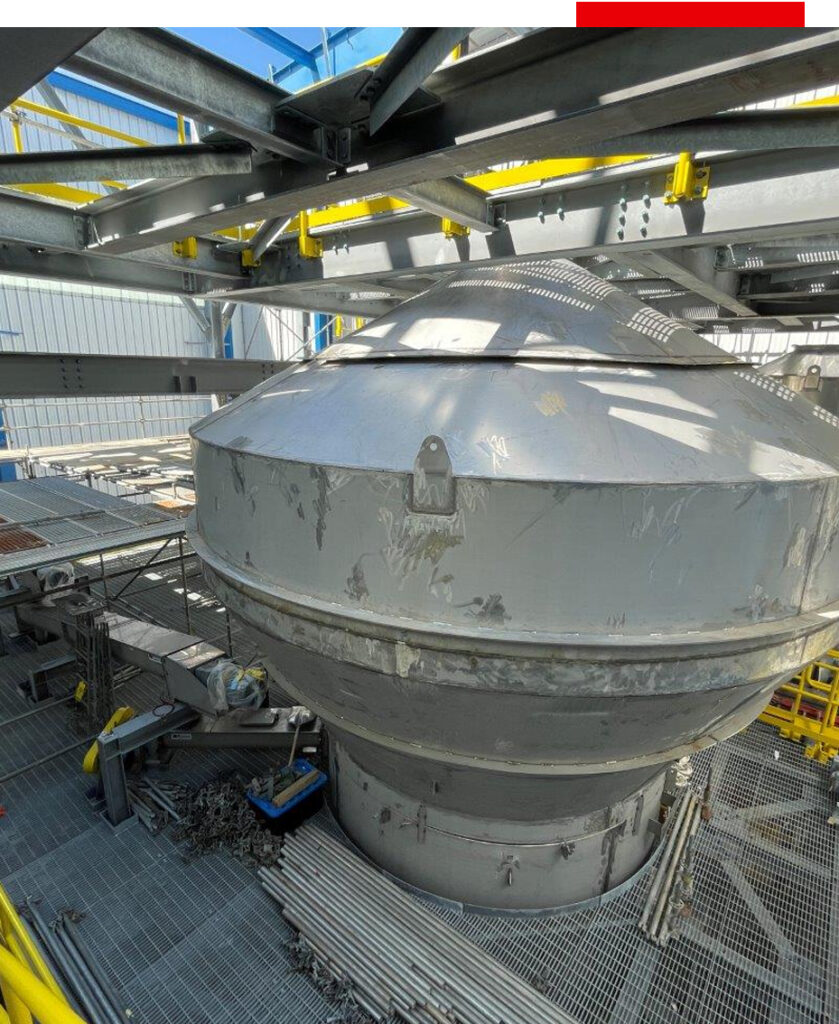
- Fabrication, Delivery, and Commissioning – The final step is implementation, where engineered equipment is manufactured, installed, and commissioned for operation.
This structured approach ensures that each lithium carbonate or hydroxide crystallization train is uniquely adapted to the feed source and end-product specifications.
Seed & Growth Control
At the heart of lithium refining is control over crystal nucleation and growth. Without it, impurities can be trapped within the crystal structure, undermining quality.
- Purity Mechanism – Crystallizers are engineered to separate impurities by carefully controlling supersaturation, nucleation, and growth.
- Bench Data – Morphology data from bench testing (shape, structure, size distribution) provide insight into how to manipulate growth kinetics for better purity.
- Consistency – Controlled crystal population ensures that particle size distribution is narrow, making downstream washing and drying more predictable.
This precision engineering ultimately ensures that the lithium carbonate or hydroxide produced meets the stringent purity requirements set by battery manufacturers.
Mother Liquor Handling
The “mother liquor” — the solution remaining after crystals are removed — is as critical as the crystals themselves. It contains dissolved impurities and by-products that must be effectively managed.
- Contaminant Separation – Crystallizers are designed to maximize recovery of pure lithium salts while leaving contaminants in the liquor.
- By-Product Expertise – Swenson and Whiting have experience handling by-products such as LiCl, Li₂SO₄, and Na₂SO₄·10H₂O. Proper management of these streams prevents cross-contamination and improves recovery.
- Source-Specific Design – Brine and hard-rock sources each present different impurity profiles; crystallization train designs are customized to handle these unique chemistries.
Efficient handling of mother liquor not only improves lithium recovery but also reduces waste and minimizes environmental impact.
Solid-Liquid Separation; Drying & Packaging
Once crystals are formed, they must be separated, dried, and prepared for packaging. These downstream steps are integrated into the train design from the pilot stage onward.
- Solid-Liquid Separation – Pilot testing provides parameters for washing and centrifuge performance, ensuring that residual impurities are effectively removed.
- Drying – To reduce moisture to the required levels without damaging crystal morphology.
- Packaging – Packaging systems protect the final product from contamination and ensure it is delivered in a form compatible with customer handling systems.
These stages are not afterthoughts—they are critical steps that determine whether the product consistently meets battery-grade standards.
Spec Sheet Checklist
Designing a lithium carbonate crystallization train requires capturing the correct data at every stage. A spec sheet consolidates this information into actionable inputs for the commercial plant.
Key data include:
- Feed Characterization
- Yield targets
- Purity levels (chemical and physical)
- Morphology (size and shape distribution)
- Fouling and scaling tendencies
- Washing requirements
- Centrifuge performance data
- Overall process economics
A spec sheet checklist that includes this data helps ensure nothing is left to assumption and that key stakeholders can have confidence in the commercial plants delivered.
Conclusion
Designing lithium carbonate and hydroxide crystallization trains is a multi-stage effort that integrates modeling, bench work, pilot testing, and final plant design. Each block — from seed and growth control to solid-liquid separation, drying, and inline monitoring — contributes to the production of consistent, high-purity, battery-grade lithium.
With decades of experience in evaporation and crystallization systems, Whiting Equipment Canada and its licensee, Swenson Technology, bring the engineering depth and process expertise necessary to design trains that operate reliably in the harshest industrial environments. Their tailored systems deliver not only high recovery and purity but also operational efficiency, waste management, and long-term reliability.
Whiting’s team can support you from simulation through commissioning, providing dependable solutions engineered to perform and built to last. Let’s talk.