

Defining the Modern Melt Shop in 2026 Steelmaking
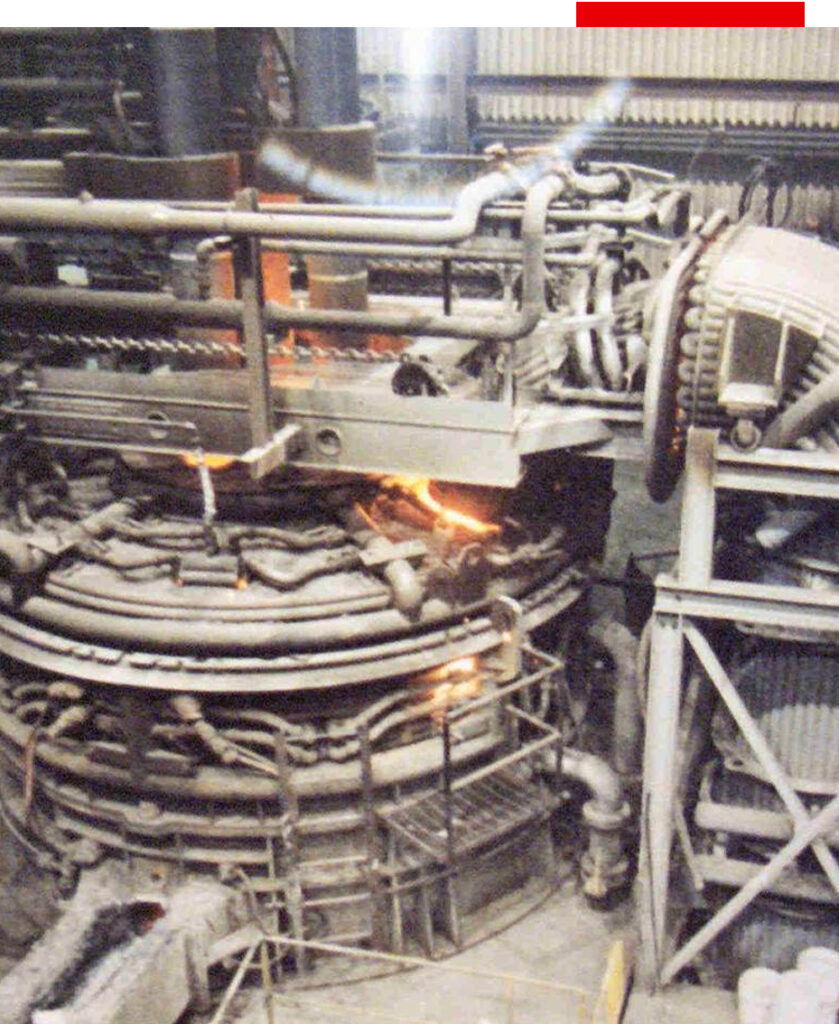
A melt shop is a highly specialized steelmaking department where scrap metal is charged into industrial furnaces and converted into liquid steel. In modern steelmaking, the melt shop refers specifically to the EAF-based production environment found in mini-mills and specialty steel operations and not the vast, integrated blast furnace complexes of the previous century. Where […]
What is AOD Treatment Steelmaking
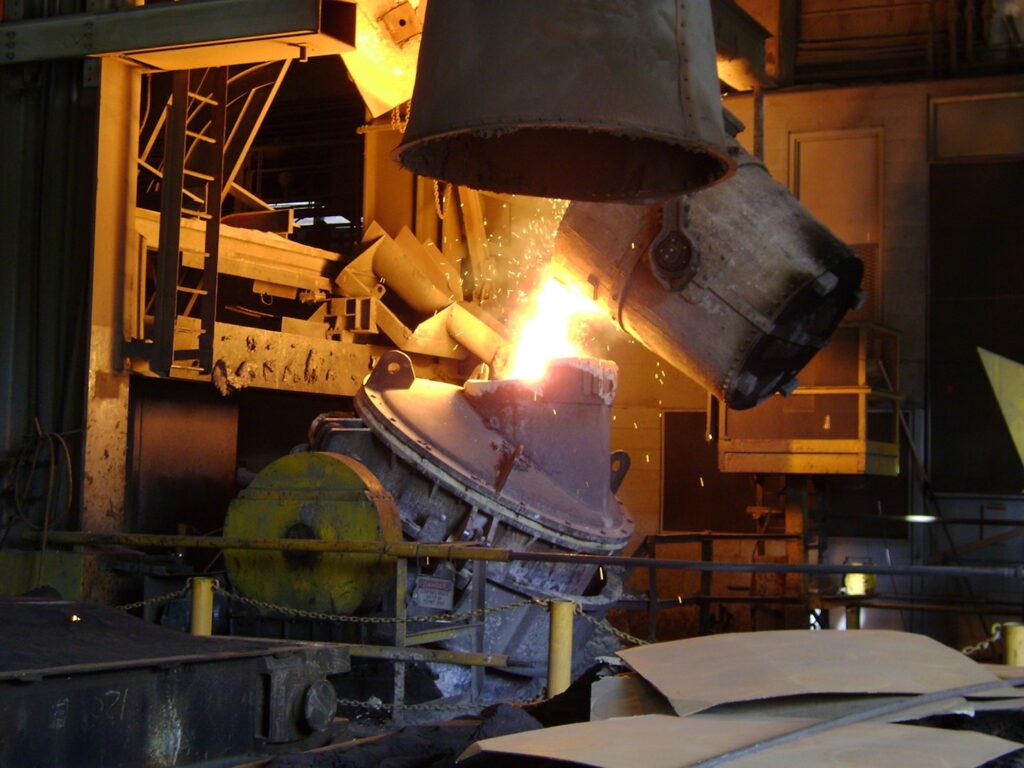
The Purpose of AOD Treatment: Solving the Chromium-Carbon Dilemma Stainless steel’s defining characteristic is its corrosion resistance and that depends entirely on chromium, yet removing carbon from molten steel risks oxidizing and destroying it. This is the central thermodynamic challenge of stainless-steel refining. At the high temperatures required for decarburization, chromium and carbon compete for […]
AOD Refractory Life: Maintenance Tactics That Actually Work
Extending AOD Refractory Life Refractory linings are among the highest recurring operating costs in Argon-Oxygen Decarburization (AOD) refining. A single unplanned failure can halt production, compromise chemistry control, and expose crews to unnecessary safety risks. Effective AOD refractory maintenance blends clever vessel design, temperature management, targeted inspections, and data-driven relining decisions—all aimed at maximizing lining […]
AOD Lance & Gas Mixing: Getting Nitrogen and Carbon Under Control
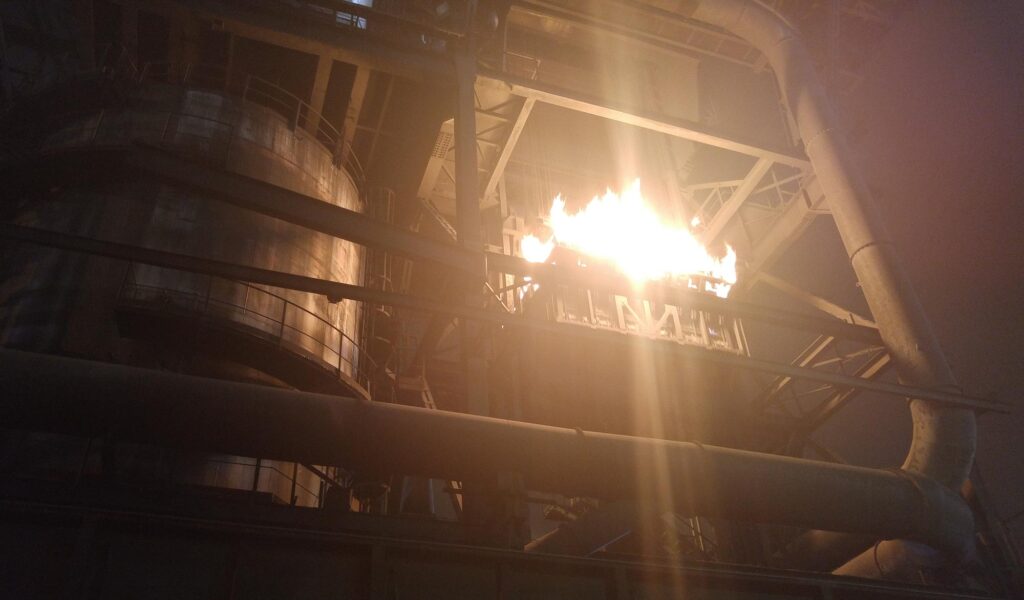
AOD Lance Design & Gas Mixing Best Practices Controlling carbon and nitrogen during Argon-Oxygen Decarburization (AOD) is central to achieving chemical accuracy, cleanliness, and final steel quality. The design of the AOD lance, the gas-mixing strategy, and the associated control instrumentation directly influence decarburization rates, nitrogen pickup, and endpoint consistency. This guide outlines best practices […]
AOD vs VOD: Which Refining Route Fits Your Grade Mix?
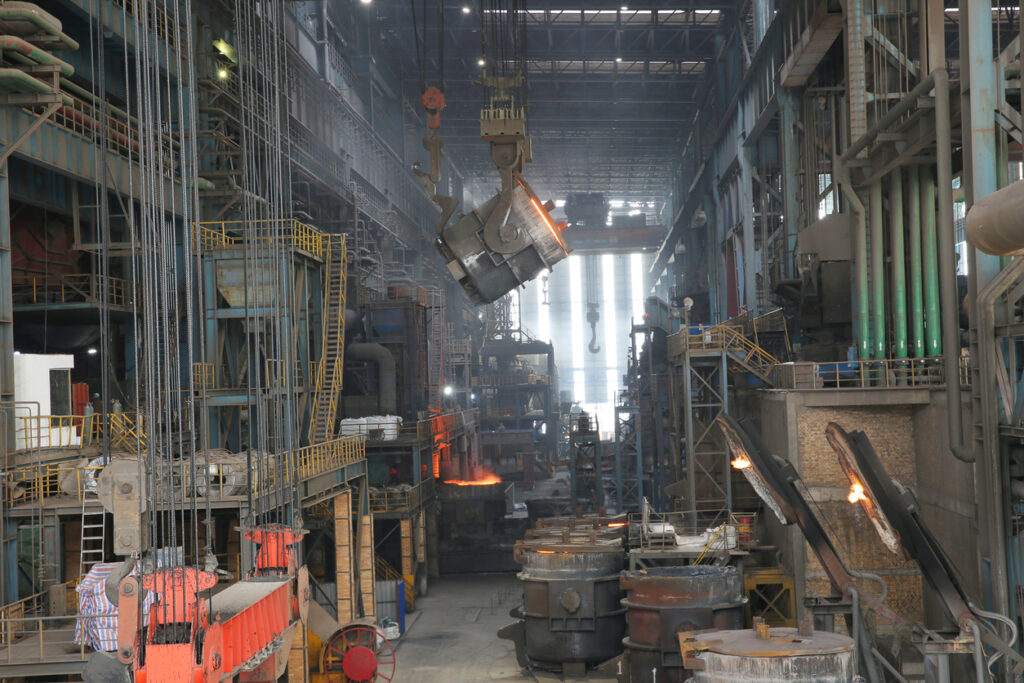
Introduction In stainless steel and specialty alloy production, refining technology not only determines quality but also significantly impacts cost efficiency and competitiveness. Two refining routes dominate today’s market: the AOD converter (argon oxygen decarburization) and VOD (vacuum oxygen decarburization). Both are proven technologies, but they serve different purposes depending on the grade mix, the required […]
Converter Tilt & Drive Upgrades: Safety and Uptime First
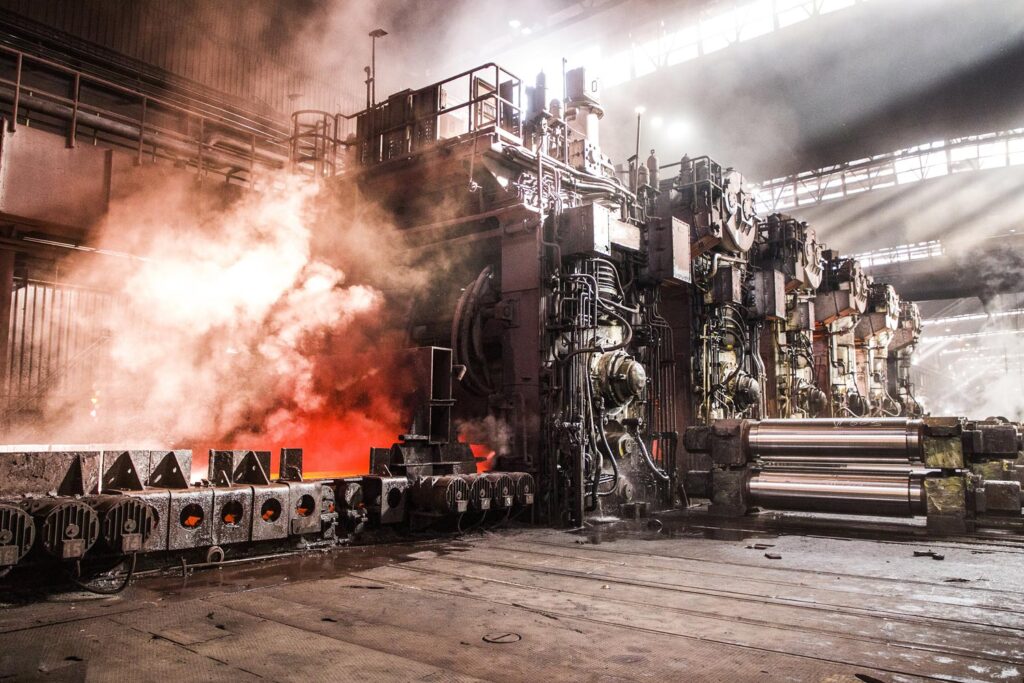
AOD Tilt/Drive Upgrade Guide Tilting is one of the highest-risk, highest-uptime-impact functions in an argon-oxygen decarburization (AOD) converter. Every heat requires precise, smooth, and reliable tilt control for blowing, sampling, temperature checks, slag removal, and tapping. A single failure in the tilt system can stop production instantly—and when a vessel is full of molten steel, […]
Heat & Mass Balance in AOD: Practical Modeling for Better Heats
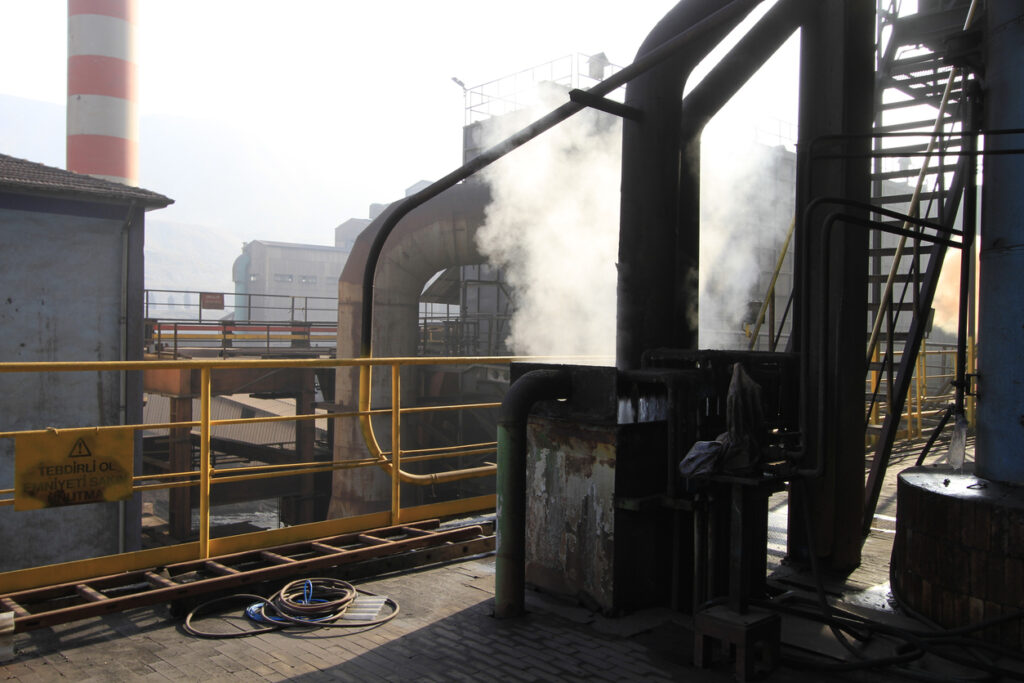
AOD Heat & Mass Balance 101 A heat and mass balance is one of the most powerful tools an argon oxygen decarburization (AOD) operation can use to improve consistency, reduce the cost per ton, and eliminate rework. By modeling where the heat comes from, where it goes, and how materials flow throughout the process, melt […]