

Industrial Evaporators: A Comprehensive Comparison Guide for Chemical Processing
Industrial evaporation is far more than a simple phase-change operation; it is the backbone of efficient chemical processing, resource recovery, and environmental compliance. For plant managers and process engineers, selecting the right evaporation technology is a high-stakes decision that dictates operational expenditure, product quality, and the ability to meet increasingly stringent sustainability mandates. By shifting the perspective from simple hardware procurement to viewing the evaporator as a critical process hub, organizations can unlock significant ROI through improved energy efficiency and waste reduction.
The Critical Role of Evaporation in Modern Chemical Processing
Moving Beyond Simple Concentration
Modern chemical processing requires precision. Evaporation is utilized to increase the concentration of solutes, recover valuable solvents, or prepare streams for downstream crystallization. It is not merely about removing water; it is about protecting the integrity of the process stream. Whether dealing with heat-sensitive pharmaceutical intermediates or high-viscosity chemical slurries, the choice of evaporator determines the quality of the final product.
The Economic and Environmental Drivers of Evaporator Selection
The modern regulatory environment demands aggressive waste management. Implementing advanced evaporation systems is essential for achieving Zero Liquid Discharge (ZLD) goals. By reducing the volume of liquid waste—such as spent pesticides or complex industrial effluents—companies significantly lower disposal costs. The economic driver is clear: high-efficiency systems reduce the utility footprint, directly impacting the bottom line through lower steam and electricity consumption.
Core Engineering Principles: Understanding the Physics of Evaporation
Heat Transfer Mechanisms and Turbulence Optimization
At the heart of every efficient evaporator is the heat exchanger. The rate of heat transfer is governed by the temperature difference between the heating medium and the process fluid, as well as the heat transfer coefficient. Maximizing this coefficient requires intentional design. Turbulence is the primary antidote to the common problem of fouling. By inducing high-velocity flow or using mechanical agitation, engineers can disrupt the boundary layer on the tube walls, ensuring consistent heat transfer throughout the processing cycle.
The Impact of Residence Time on Product Quality and Degradation
Residence time is the duration the product spends within the high-temperature zone of the evaporator. For thermally sensitive substances, minimizing this time is paramount to preventing chemical degradation. High-quality systems are engineered to facilitate rapid movement of the fluid through the heat exchanger, ensuring that the concentration target is met without compromising the molecular stability of the product.
Managing Boiling Point Elevation (BPE) in High-Concentration Solutions
As a solution becomes more concentrated, its boiling point rises above that of the pure solvent, a phenomenon known as Boiling Point Elevation. Failure to account for BPE leads to insufficient driving force for heat transfer. Advanced controllers and precise pressure regulation are required to maintain a consistent evaporation rate, especially when processing complex, high-solids content mixtures.
Primary Evaporator Technologies: A Comparative Analysis
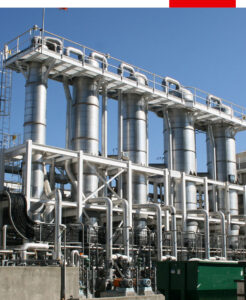
Falling Film Evaporators: Efficiency for Low-Viscosity Applications
Falling film evaporators operate by feeding liquid into the top of tubes, allowing it to flow downward as a thin film.
- Ideal Application: Low-viscosity, heat-sensitive fluids.
- Key Advantage: Very low residence time and high heat transfer coefficients.
- Primary Maintenance Challenge: Ensuring uniform distribution across all tubes to prevent dry spots.
Forced Circulation Evaporators: The Solution for Scaling and Viscous Solutions
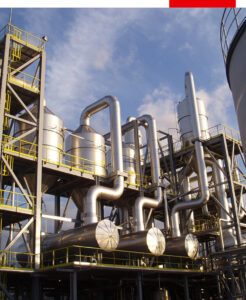
In forced circulation evaporator systems, a pump forces the liquid through the heat exchanger at high velocities.
- Ideal Application: Solutions with high solids content or high scaling potential.
- Key Advantage: High turbulence keeps tubes clean and handles high-viscosity streams effectively.
- Primary Maintenance Challenge: Increased electricity consumption due to constant pumping requirements.
Rising Film (Climbing Film) Evaporators: Handling Heat-Sensitive Materials
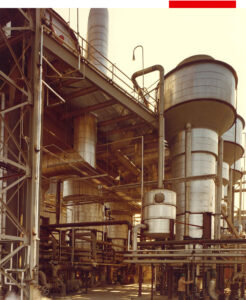
Rising film evaporators rely on vapor bubbles to lift the liquid up the tube walls in a film-like manner.
- Ideal Application: Moderate viscosity, heat-sensitive products.
- Key Advantage: Natural, efficient operation with minimal moving parts.
- Primary Maintenance Challenge: Requires a minimum temperature difference to initiate the climbing effect.
Wiped-Film and Thin-Film Evaporators: Managing Extreme Viscosity and Slurries
These units use internal blades to physically wipe the liquid into a thin, uniform layer against the heated wall.
- Ideal Application: Extremely viscous, heat-sensitive, or paste-like products.
- Key Advantage: Superior control over film thickness and residence time.
- Primary Maintenance Challenge: High mechanical complexity and cost compared to static evaporators.
Energy Efficiency Strategies: MVR vs. Multi-Effect Evaporation
Multi-Effect Evaporation: Leveraging Thermal Synergies
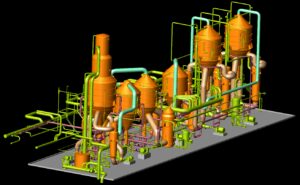
Multi-effect evaporator systems use the vapor produced in one effect as the heating medium for the next. This significantly reduces steam consumption. By cascading the vacuum, these systems maximize thermal efficiency for high-capacity applications where utility steam is readily available.
Mechanical Vapor Recompression (MVR): Maximizing Resource Recovery
MVR evaporator technology compresses the evaporated vapor, raising its temperature and pressure so it can be reused as the heating medium for the same effect. MVR is the gold standard for energy efficiency, effectively turning a latent heat recovery problem into an electrical efficiency gain. It is ideal for facilities with low-cost electricity but limited steam capacity.
Low-Temperature Heat Pumps: Specialized Applications in Chemical Processing
For temperature-sensitive chemicals where traditional steam heat is too aggressive, heat pump-assisted evaporation provides a controlled, efficient alternative. These systems decouple the heating and cooling requirements, allowing for precision in delicate distillation and concentration steps.
Specialized Components: Enhancing Performance and Separations
The Role of the Vapor-Liquid Separator in Product Purity
The separator is where the liquid phase and vapor phase are finally parted. Proper design ensures that the vapor carries minimal entrainment, which is critical if the vapor is to be condensed or compressed. A poorly designed separator results in product loss and increased contamination of the condensate.
Utilizing Demisters to Prevent Carryover and Contamination
Demisters act as the final defense against entrainment. By forcing the vapor to pass through a mesh or series of baffles, these components capture liquid droplets that would otherwise migrate into the vacuum or compression system, preventing downstream fouling and maintenance issues.
Circulation Pumps and Mechanical Reliability in High-Fouling Environments
Reliability is non-negotiable. In forced circulation systems, the pump is the most stressed component. Selecting materials resistant to erosion and corrosion is vital when processing abrasive slurries or reactive chemicals. Proper sealing and consistent monitoring are the best ways to ensure operational uptime.
Industry-Specific Applications and Case Studies
The Pulp and Paper Industry: Black Liquor Recovery and Chemical Pulping Processes
In pulp production, the evaporation of black liquor is a massive-scale operation. The goal is to concentrate the organic-rich effluent to a point where it can be burned in recovery boilers. This not only recovers essential pulping chemicals but also generates renewable steam, turning a waste processing step into a revenue-generating power cycle.
Industrial Wastewater Treatment: COD Removal and Zero Liquid Discharge (ZLD)
Evaporation is increasingly the final stage in wastewater treatment. By processing industrial effluent, plants can recover clean water for reuse while concentrating the harmful Chemical Oxygen Demand (COD) into a small, manageable sludge or solid stream, satisfying strict environmental discharge regulations.
Crystallization and Mineral Processing: Managing Crystallizing Salts
When evaporation is pushed to the limit, crystallization occurs. Handling these solids requires specialized evaporator designs that allow for continuous salt removal, preventing build-up on heat exchanger surfaces and ensuring the system can handle the concentration of mineral brines effectively.
Overcoming Operational Challenges: Fouling, Scaling, and Maintenance
Identifying the Roots of Fouling and Scaling in Chemical Methods
Fouling is often the result of chemical precipitation or organic film growth on the heat transfer surface. Recognizing the specific type of foulant—whether it is carbonate scale or organic polymerization—is the first step toward effective remediation. Monitoring heat transfer performance over time provides the necessary data to predict cleaning intervals.
Chemical Precipitation and Pre-treatment Strategies
Pre-treatment is the proactive way to mitigate fouling. By adjusting the pH or adding anti-scalants to the feed stream, engineers can prevent the formation of insoluble compounds before they ever enter the evaporator. This simple step can extend operational runs from days to months.
Advanced Cleaning-in-Place (CIP) and Mechanical Maintenance Protocols
When scaling does occur, robust CIP protocols are essential. Utilizing targeted chemical washes and mechanical cleaning brushes ensures that the heat exchanger remains efficient without the need for complete unit disassembly. Regular maintenance schedules prevent the compounding problems caused by minor degradations in equipment performance.
Integration with Wastewater and Effluent Treatment Systems
Modern evaporation is rarely a standalone process. It acts as the final concentration phase for complex wastewater streams. By integrating evaporation with membrane filtration or advanced oxidation, plants create a comprehensive barrier against pollutants. This holistic approach ensures that potential hazards are eliminated and that water is purified for reuse within the facility.
Conclusion
Industrial evaporation is a sophisticated discipline that balances thermal physics, material science, and operational logistics. Whether you are aiming to optimize your pulp processing, achieve ZLD goals in wastewater treatment, or simply improve the concentration efficiency of your chemicals, the technology chosen today will dictate your costs for years to come.
The transition from a simple “boiler” mindset to a high-efficiency evaporation strategy requires careful evaluation of your specific process details. Addressing potential problems like fouling through turbulence optimization, managing BPE for high-concentration solutions, and selecting between MVR and multi-effect systems are all vital components of a successful installation.
However, technology alone is not enough. Sustained success requires ongoing monitoring, effective maintenance protocols, and the expert support to troubleshoot issues before they lead to downtime. As regulatory pressures mount and resource costs rise, having a clear understanding of these systems is a distinct competitive advantage. Whiting Equipment Canada’s team of specialists is dedicated to helping you navigate the complexities of process intensification. If you have questions about your specific application or need help assessing your current evaporation efficiency, do not hesitate to reach out. Contact our support team today for more information, technical support, or to request a consultation regarding your next upgrade project. Proper planning, informed design, and proactive maintenance are the pillars of a resilient chemical processing operation. By leveraging the right engineering expertise, you can transform your evaporation process into a reliable, high-performance asset that supports your long-term operational and sustainability goals.