
What Is an Electric Arc Furnace? Types, Uses, and Whiting Equipment’s Industry Solutions
At the heart of a transformative evolution in the steel industry is the electric arc furnace (EAF). As industries prioritize decarbonization and resource efficiency, the ability to produce high-quality steel using electricity rather than fossil-fuel-reliant processes has become a cornerstone of modern manufacturing. This article explores the mechanics of the electric arc furnace, its role in the global supply chain, and how engineering partners like Whiting Equipment Canada provide the precision infrastructure necessary to master this complex technology.
Understanding the Electric Arc Furnace (EAF)
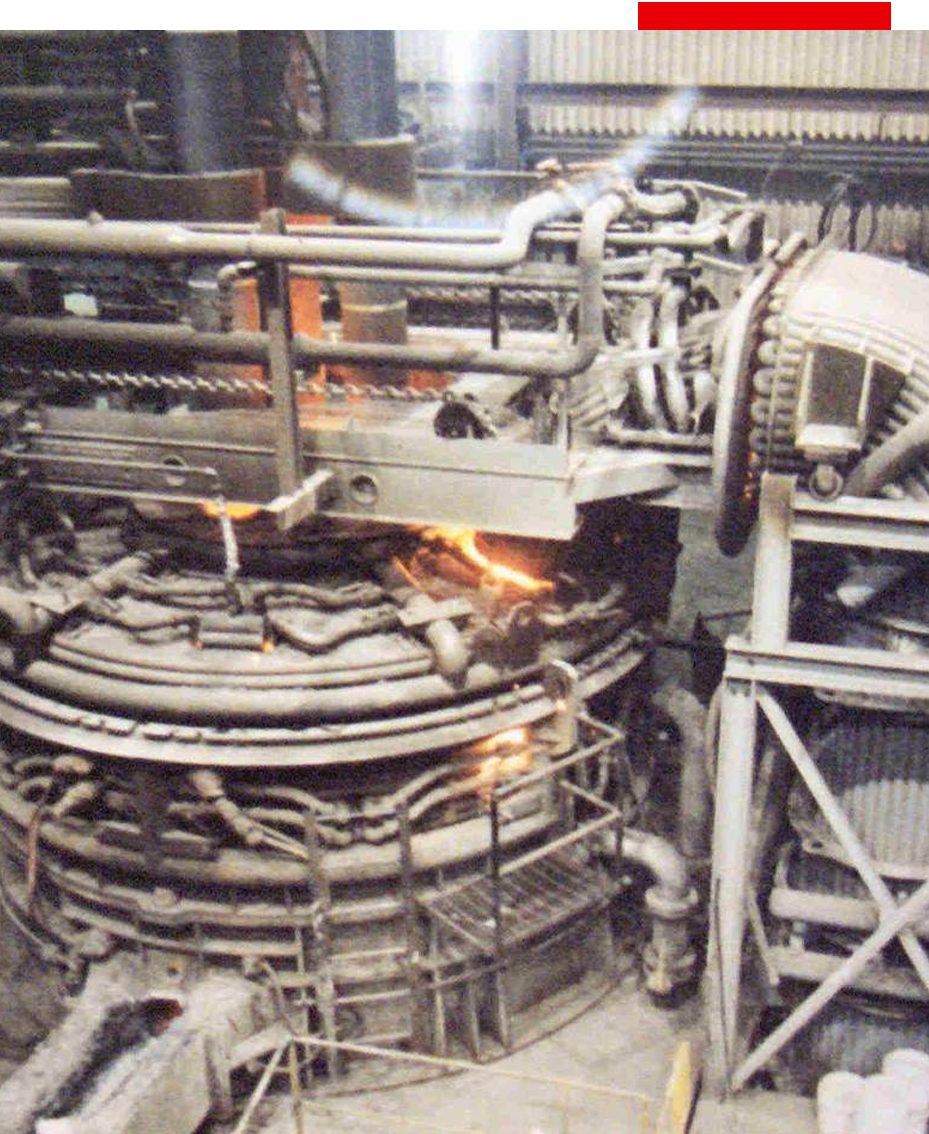
An electric arc furnace is an industrial vessel that utilizes high-power electricity to melt scrap metal and other metallic inputs into molten steel. Unlike older combustion-based technologies, the EAF provides precise temperature control and the flexibility to adjust metallurgical compositions, making it the preferred choice for modern steelmaking.
The Evolution of Electric Arc Steelmaking
The history of the EAF is a progression from experimental laboratory setups to the massive industrial powerhouses seen today. Originally conceived as a specialized tool for high-alloy metals, the technology has evolved into a high-volume solution. The transition from small-scale units to the modern, ultra-high-power furnaces has allowed manufacturers to meet the growing global demand for steel while simultaneously adopting more energy-efficient practices.
EAF vs. Traditional Blast Furnaces: The Sustainable Shift
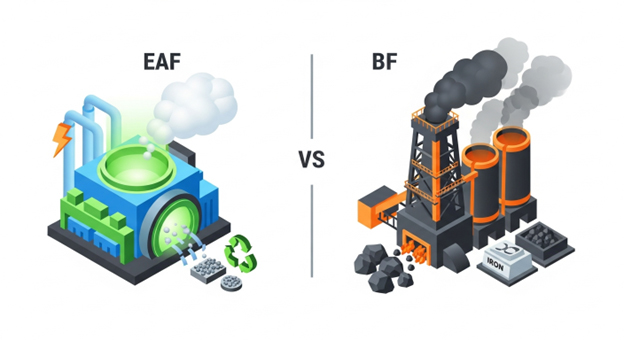
Comparing the inputs and environmental impact of Electric Arc Furnaces versus Traditional Blast Furnaces.
For decades, the blast furnace stood as the dominant method for iron production. By relying on iron ore, coke, and intense chemical reduction to create pig iron, these traditional furnaces often result in a significant environmental footprint. In contrast, the electric furnace offers a cleaner alternative. By utilizing electricity—which can be sourced from renewable grids—to melt recycled steel, the EAF significantly reduces carbon dioxide emissions compared to the coal-dependent blast furnace route. This shift is essential for companies aiming to align with global sustainability mandates.
Key Advantages: Operational Flexibility and Recycling Efficiency
The primary advantage of the EAF lies in its operational flexibility. It can start and stop more easily than a blast furnace, allowing producers to adapt to fluctuating market demand. Furthermore, the EAF is the backbone of the circular economy in steelmaking; it excels at melting scrap metal, which prevents millions of tons of waste from entering landfills while reducing the need for raw iron ore extraction.
How an Electric Arc Furnace Works: The Melting Process
The EAF process is a precise orchestration of thermodynamics, chemistry, and electrical engineering. Understanding these steps is critical for any facility aiming to achieve metallurgical consistency.
Charging the Furnace: Scrap Metal, Pig Iron, and Direct Reduced Iron (DRI)
The process begins with “charging.” The furnace shell is loaded with carefully selected materials. This charge usually consists of recycled scrap metal, which is supplemented by pig iron or Direct Reduced Iron (DRI) to achieve specific chemical profiles. The quality of this input directly influences the final steel grade, requiring precise balancing by plant operators.
The Electrothermal Effect: Using Graphite Electrodes to Generate Heat
Once the roof is closed, high-voltage electricity is delivered to the furnace via massive graphite electrodes. As these electrodes approach the charge, an electric arc forms, bridging the gap through the air. This arc generates intense heat—often exceeding 3,000 degrees Celsius—which effectively melts the metal beneath. The quality and conductivity of the graphite electrodes are paramount to sustaining this arc without excessive energy loss.
Melting and Refining: Managing Carbon Content and Impurities
Melting is only the first phase. Refining follows, where the chemistry of the molten bath is adjusted. Operators add fluxing agents and control chemical inputs to strip away unwanted impurities. This stage is where “steelmaking” truly happens, as the technician refines the molten bath to meet exact alloy specifications for specific industries, such as automotive or aerospace.
Slag Formation and Its Role in Metal Purity
Slag is a vital byproduct of the refining stage. It forms a protective layer on top of the molten steel, absorbing impurities like sulfur and phosphorus. Beyond purification, the slag layer acts as an insulator, retaining the heat generated by the electric arc and protecting the refractory lining of the furnace from excessive thermal wear.
Tapping the Heat: Furnace Tilting and Ladle Transfer
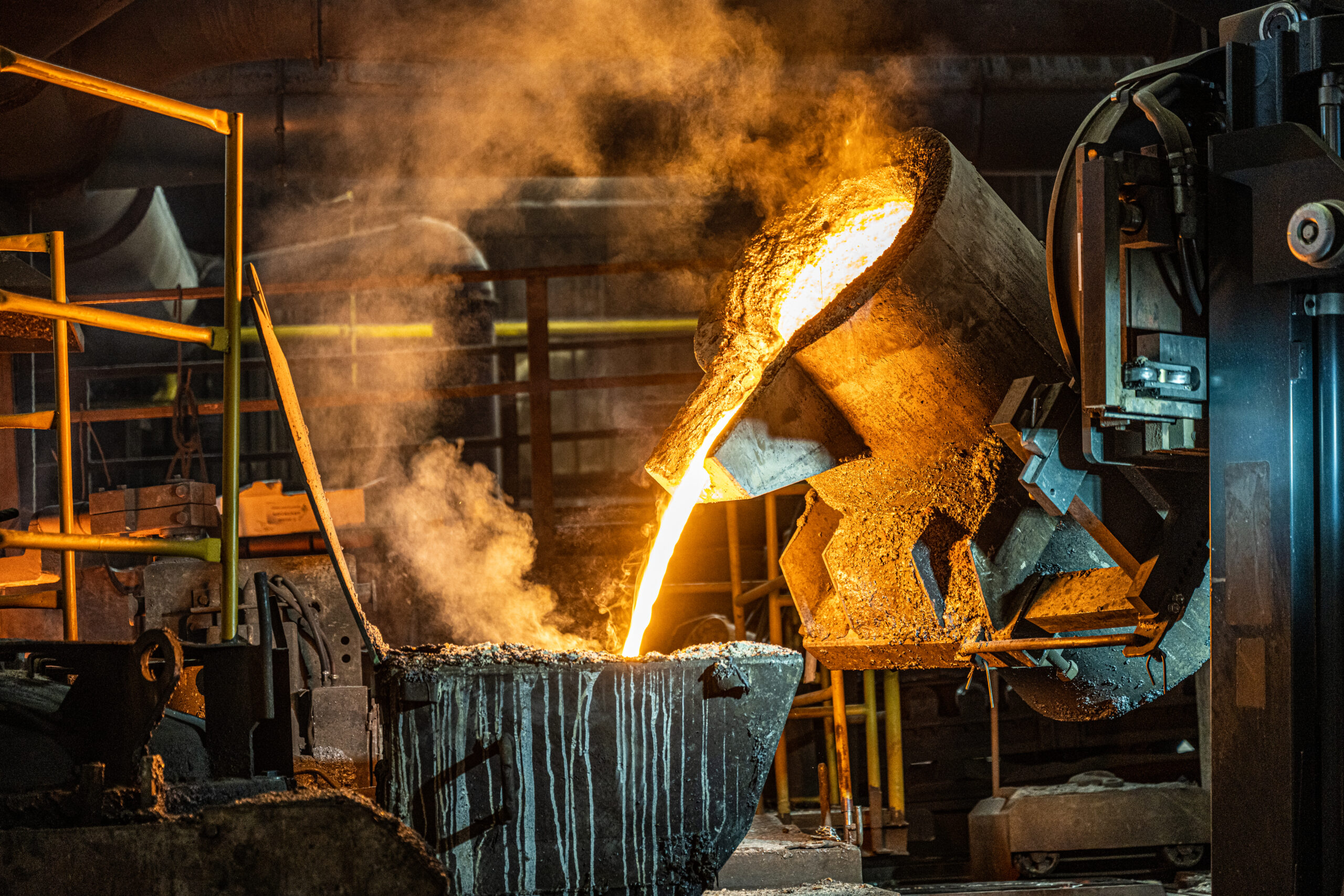
Once the molten steel reaches the target temperature and chemistry, it is “tapped.” The furnace tilts on a mechanical cradle, pouring the molten metal into a ladle for secondary processing. Sophisticated tapping systems, including eccentric bottom tapping (EBT), help ensure that slag is separated effectively from the pure steel.
Critical Components of a Modern EAF System
A furnace is only as reliable as its components. Whiting Equipment designs systems that ensure durability under extreme thermal stress.
Furnace Shell and Refractory Lining: Protecting the Infrastructure
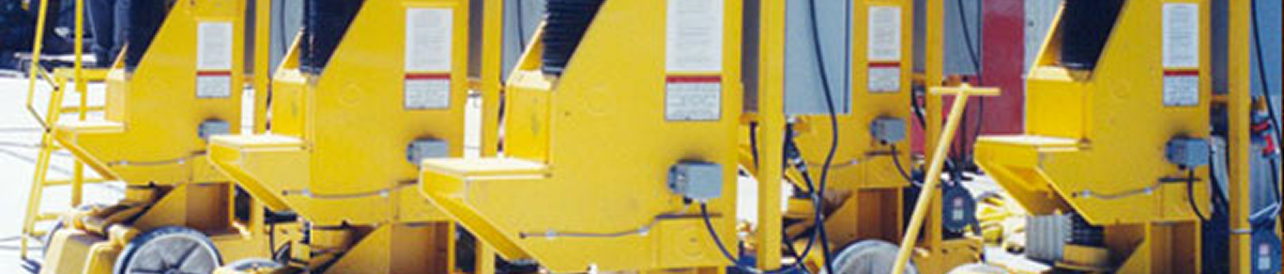
The furnace shell must withstand high temperatures and mechanical shock. This is managed through advanced refractory linings—specialized bricks or castable materials that insulate the steel structure. Proper refractory maintenance is crucial for preventing downtime and ensuring safety. Whiting’s partner company, Handling Specialty offers the perfect solution for rebricking ladles in their ladle lift.
The Power Supply Room: Transformers, Rectifiers, and High Tension/Low Tension Control
The heart of an EAF is its power supply system. Heavy-duty transformers step down high-voltage utility power into the massive currents required to sustain an electric arc. Modern systems incorporate precision controls that balance power input to optimize energy efficiency and electrode life.
Electrode Regulation and Automatic Adjustment Systems
To maintain a stable arc, the position of the graphite electrodes must be constantly adjusted as they are consumed or as the scrap melts. Automatic regulation systems use sensors to track arc voltage and current, moving the electrodes in real-time to keep the electrical input consistent.
Furnace Tilting Devices and Tapping Systems (Slag-Free Tapping)
Efficient tapping requires reliable mechanical tilt systems. Whiting Equipment focuses on robust, smooth-motion tilting mechanisms that allow for rapid discharge. This speed minimizes the time the furnace is open, reducing heat loss and improving cycle times for the plant.

Types of Electric Arc Furnaces and Specialized Variations
While the standard EAF is common, the industry requires specialized variants for specific applications.
AC vs. DC Electric Arc Furnaces: Performance Differences
Alternating Current (AC) furnaces remain the industry standard for high-volume production due to their established infrastructure. However, Direct Current (DC) furnaces are gaining traction. DC furnaces typically use a single central electrode, which provides more stable arc control and results in lower electrode consumption, making them ideal for specific high-precision applications.
Submerged Arc Furnaces for Ferroalloy Production
The submerged arc furnace is a variation where the electrodes are buried in the charge. This setup is specifically engineered for the production of ferroalloys, where chemical reduction is the primary goal rather than simple melting.
Vacuum Arc Remelting (VAR) and VIM-VAR Steels for High-Purity Applications
For industries requiring ultra-high purity, such as nuclear power or specialized defense applications, Vacuum Arc Remelting is used. By melting steel in a vacuum environment, producers can eliminate gases and inclusions that would otherwise compromise the strength and integrity of the final alloy.
Comparison with Other Foundry Furnaces: Induction, Cupola, and Crucible Furnaces
While Induction Furnaces are excellent for smaller batches and highly controlled melting of clean materials, they lack the refining capability of an EAF. Similarly, while cupola furnaces were once the standard for cast iron, they cannot match the environmental benefits or the scrap-recycling capacity of modern electric arc furnaces.
Optimizing Furnace Performance with Advanced Metallurgy
Efficiency in the EAF is about more than just melting; it is about metallurgical precision.
Chemical Energy Input: Oxygen-Fuel Burners and Carbon Injection
Modern EAFs use chemical energy to augment electrical energy. Oxygen-fuel burners are used to preheat the scrap and melt hard-to-reach cold spots. Simultaneously, carbon injection into the slag promotes foaming, which helps insulate the bath and improves heat transfer efficiency.
Lance Pipe Technology: From Oxygen Lances to Calorized Pipes
Lance pipes are used to inject oxygen directly into the molten metal to facilitate rapid decarburization. Using advanced, calorized lance pipes provides enhanced resistance to heat and oxidation, allowing for longer usage and lower operational costs per heat.
Scrap Preheating and Reducing Cycle Times
Preheating scrap metal before it enters the furnace significantly reduces electricity consumption. By leveraging exhaust gases to warm the upcoming charge, facilities can cut their total energy bill while increasing the number of heats produced per shift.
Temperature Control and Detection Instruments
Precision is the hallmark of quality. High-speed temperature probes and continuous monitoring instrumentation allow operators to know the exact state of the melt, ensuring that steel is tapped at the precise moment it meets the customer’s quality standards.
Industry Applications: Where EAF Excellence is Required
The versatility of the EAF makes it indispensable across diverse manufacturing sectors.
Stainless Steel Manufacturing and Specialty Alloys
Stainless steel production requires precise control over alloying elements. The EAF is the primary furnace used in these operations, as it allows for the careful addition of chromium, nickel, and other critical elements needed for corrosion resistance and strength.
High-Volume Steel Production and Recycled Steel Infrastructure
The EAF is the engine of the green-steel movement. By turning municipal and industrial scrap into high-quality construction beams and automotive sheet steel, EAF-based mini-mills are effectively lowering the carbon intensity of the entire global infrastructure sector.
Foundries and Precision Metalworking Industries
In precision foundries, where alloy chemistry is tight and failure is not an option, EAF technology provides the stability and control required for critical-grade castings. From heavy machinery components to specialized marine hardware, the reliability of the arc furnace is foundational.
Conclusion
The electric arc furnace represents the pinnacle of modern, flexible, and sustainable steelmaking. As the industry moves toward a future defined by decarbonization and circular resource management, the EAF stands as the most viable technology to bridge the gap between high demand and environmental responsibility.
The transition to EAF-based production is not merely a change in hardware; it is a commitment to operational excellence. Success in this field requires more than just a power source—it requires a holistic approach to furnace management, from the performance of graphite electrodes and refractory integrity to the integration of automated tapping and chemical control systems.
Whiting Equipment Canada partners with industrial leaders to optimize every facet of the melting process. By addressing pain points such as cycle time reduction, energy efficiency, and impurity management, we empower our clients to achieve metallurgical consistency that meets the highest international standards. Whether you are upgrading an existing facility or commissioning a new arc furnace, the focus must always be on long-term efficiency and product quality. The future of steel is electric, and with the right equipment and engineering partner, the possibilities for high-purity, sustainable production are limitless.