
Rail Shop Services Guide: MRO, Railway Equipment, and Whiting Solutions in Canada
The Canadian rail industry operates under a unique set of constraints. Between extreme temperature fluctuations that test the limits of metallurgy and a vast, geographically challenging network, the demand for high-performance maintenance, repair, and overhaul (MRO) services has never been higher. For operators, rail maintenance is not merely an overhead cost; it is a strategic lever for operational reliability. This guide explores the essential components of modern rail shop services, from precision engineering and specialized machinery to the integration of Whiting solutions, all tailored to meet the rigorous demands of the Canadian landscape.
The Critical Role of Comprehensive Rail MRO in the Canadian Landscape
Beyond Basic Repair: The Strategic Importance of Maintenance, Repair, and Overhaul
In the modern railroad environment, the transition from reactive repair to proactive MRO is fundamental. A strategic approach to MRO moves beyond simply fixing what is broken; it focuses on lifecycle management. By implementing robust maintenance plans, operators can extend the service life of rolling stock and infrastructure components significantly. This shift requires a deep understanding of every asset’s history, from its initial commissioning to its current performance level. When the shop acts as a partner rather than a vendor, the focus shifts to maximizing uptime, optimizing service intervals, and ensuring that every component—whether a locomotive frame or a track switch—functions at its peak.
Navigating the Canadian Climate: Why Harsh Demands Require Specialized Solutions
How extreme Canadian winters impact railway components and the specialized MRO engineering required to prevent cold-weather failures.
Operating a railway in Canada means contending with extreme cold that affects lubrication, steel ductility, and pneumatic system integrity. Standard maintenance procedures often fall short when temperatures plummet. Specialized solutions are required to ensure that railway equipment remains operational during the harshest winters. This includes using materials that resist brittle fracture and employing hydraulic systems engineered for low-temperature performance. Our approach to Canadian rail service accounts for these realities, ensuring that every repair and preventive maintenance action is designed to survive the sub-zero climate. By aligning service protocols with the specific atmospheric challenges of our region, we bolster the resilience of the entire network.

Engineering-Led MRO: Moving from Transactional Repair to Strategic Partnership
The Machine Shop as an Engineering Powerhouse
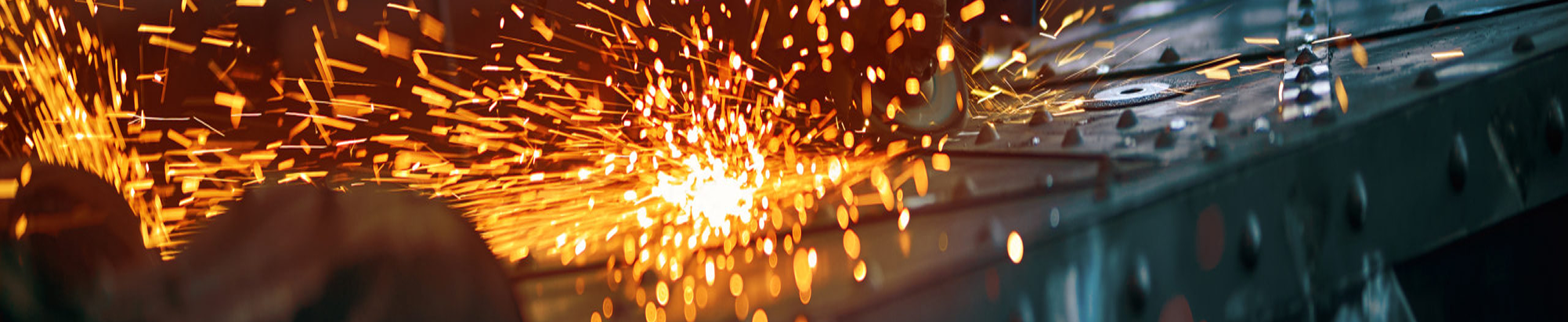
At the core of an effective rail shop is the machine shop. This is not just a place for welding and grinding; it is an engineering powerhouse where complex problems meet technical solutions. By integrating high-level machine shop capabilities, we can produce custom parts that are often no longer available in the original supply chain. This engineering-led focus ensures that every modification or rebuild is backed by sound mechanical principles. Whether the task involves repairing worn-out journal boxes or fabricating precision bushings, the integration of engineering expertise ensures that all actions improve the structural integrity of the railroad equipment.
In-House Engineering and 3D Modeling for Custom Rail Components
Modern rail maintenance demands precision. Through 3D modeling and advanced CAD software, our team can reverse-engineer obsolete parts, creating digital blueprints that allow for the manufacturing of high-quality components. This digital approach removes the guesswork from the process. If a specific casting is no longer produced, we can design a replacement that meets or exceeds current safety standards. This capability is vital for maintaining legacy fleets that continue to serve as the backbone of various Canadian freight and passenger operations.
Prototype Development and Manufacturability Assessments
Before full-scale production, prototype development allows us to test the viability of a component under simulated stress. We conduct rigorous manufacturability assessments to ensure that the design can be produced efficiently without compromising quality. By involving our engineering team early in the project phase, we can streamline production, reduce waste, and ensure that the final product meets the exact requirements of the railway operator.
Precision Machining for Heavy-Duty Rail Components
Achieving Micron-Level Accuracy with 5-Axis CNC Machining
Precision is non-negotiable in rail. With 5-axis CNC machining, we achieve micron-level accuracy on complex geometric components. This level of precision is essential for locomotive drive train parts where tight tolerances ensure longevity and efficiency. By reducing mechanical vibration and optimizing fit, 5-axis machining directly contributes to better fuel efficiency and reduced wear on critical systems.
Horizontal Machine Centers and Large-Scale Component Tooling
For larger components that define the size and scale of heavy rail machinery, our horizontal machine centers provide the necessary capacity and stability. These centers are equipped to handle massive steel fabrications, ensuring consistent results across multiple operations. Having the right tooling is the difference between a project that stays on schedule and one that is derailed by delays.
Essential Maintenance of Way (MOW) and On-Rail Equipment Services
Hi-Rail Conversions and Non-Revenue Service Vehicle Maintenance
Hi-rail vehicles are the primary tools for inspection and light maintenance. Our services include complete hi-rail conversions and the regular maintenance of these essential service vehicles. We ensure that the conversion gear, hydraulics, and tracking components are compliant with current safety regulations, providing a safe transition between road and rail for maintenance crews.
Preventive Maintenance Protocols for Track Maintenance Machinery
Preventive maintenance is the best defense against systemic failure. We implement structured service schedules for track machinery, monitoring wear parts and fluid levels to detect potential issues before they cause a breakdown. By treating every service visit as an opportunity for preventive action, we extend the operational life of the fleet.
Whiting Solutions: Maintaining the Backbone of the Rail Shop
The Vital Role of Drop Tables and Transfer Tables in Shop Efficiency
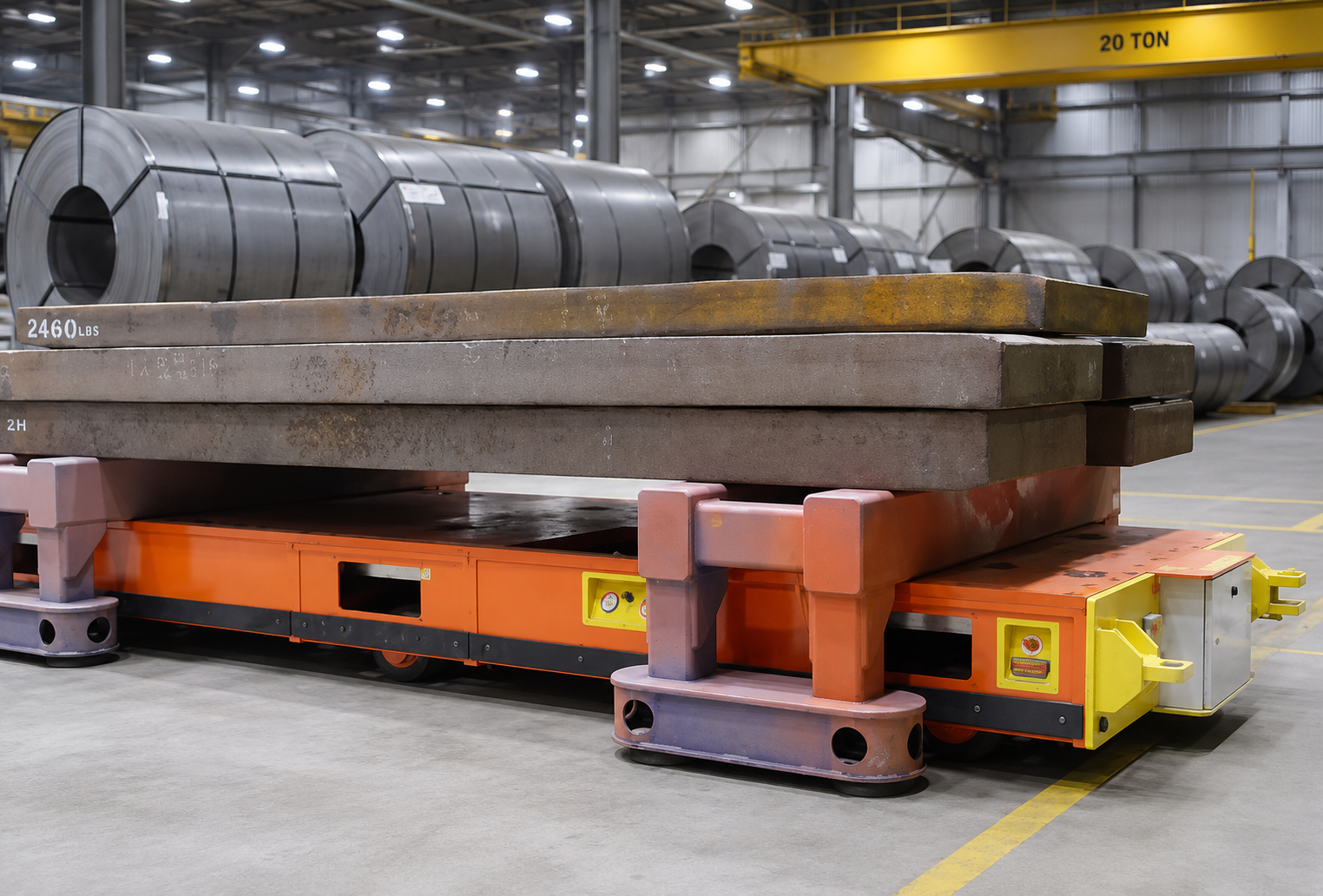
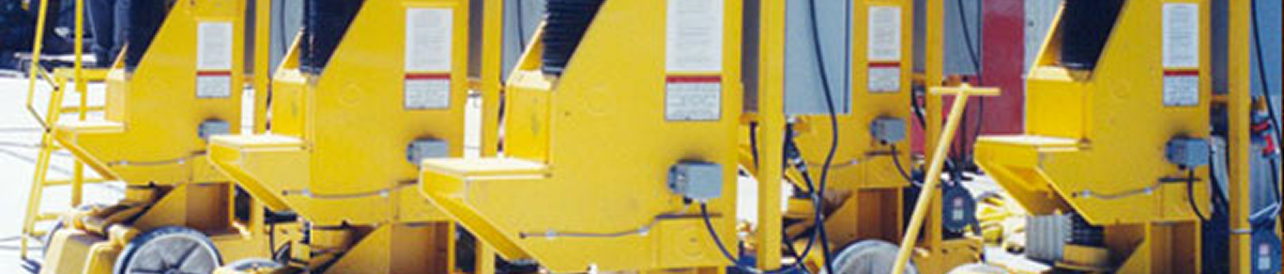
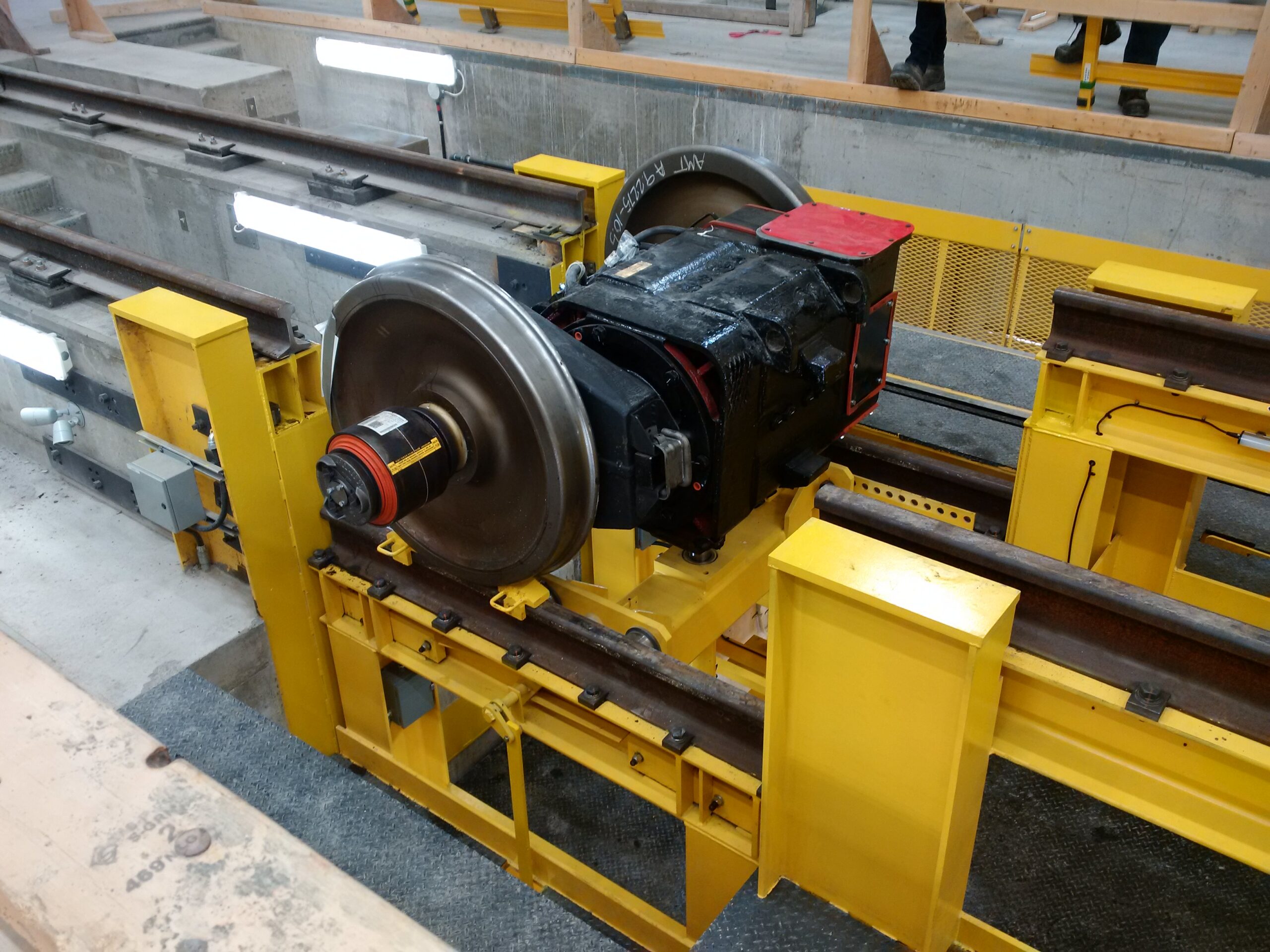
Whiting systems, such as drop tables and transfer tables, are central to shop floor productivity. They allow for the rapid removal and installation of locomotive wheel sets, drastically reducing the time required for major repairs. We provide comprehensive service for these assets, ensuring that they operate with the reliability required by a high-volume shop.
Factory-Trained Professionals: Ensuring OEM-Level Reliability
Our team is comprised of factory-trained professionals who understand the nuances of Whiting products. Whether dealing with mechanical drives or complex control systems, our expertise ensures that OEM-level reliability is maintained. We treat these systems as vital infrastructure, conducting routine inspections to guarantee safety and performance.
Turntable Repair and Modernization for High-Speed Service
Turntables remain a critical component in specific rail yard configurations. We offer repair and modernization services that update legacy turntables with modern control systems, ensuring they meet the requirements of modern service cycles.
Full-Service Welding and Steel Fabrication for Rail Infrastructure
Custom Rail Car Fabrication and Structural Rebuilds
When rail cars reach the end of their design life, structural rebuilds are often the most economical path forward. We provide full-service welding and fabrication, transforming worn-out assets into reliable rolling stock. Our fabrication projects adhere strictly to industry standards, ensuring longevity in service.
Advanced Welding Techniques for High-Stress Rail Components
High-stress rail components require specialized welding techniques, such as certified submerged arc or pulse MIG welding. Our welders are trained to handle the specific metallurgical requirements of rail steel, ensuring that every joint is sound and capable of withstanding the massive dynamic loads inherent in rail transport.
Quality Control: Meeting Rigorous AAR and Canadian Safety Standards
Every welding project is subject to intense quality control. We adhere to AAR standards and Canadian regulatory requirements, ensuring that all work is fully documented and verifiable. This commitment to compliance is the foundation of our safety record.
Advanced Inspection Protocols and Compliance Management
Digital Asset Inventory and Maintenance Records: Tracking the Lifecycle
We maintain digital records for every asset we service. This allows us to track the lifecycle of specific components, monitor historical performance, and plan future maintenance projects. By maintaining accurate inventory and records, we help our clients optimize their spare parts “stock” and avoid the pitfalls of obsolete or missing hardware.
Track Inspection and Security Services for Fleet Integrity
Beyond the machine shop, we provide technical oversight for fleet integrity. Regular inspection services ensure that track equipment such as Rail car movers, remains compliant and safe for operation, reducing the risk of mid-journey failures.
Meeting North American Standards: From AAR Compliance to Specialized Inspections
Navigating the regulatory environment in Canada requires a deep knowledge of both internal and international standards. We bridge the gap between AAR compliance and specialized local inspections, ensuring that our clients are always prepared for regulatory audits and that their equipment is safe for cross-border operations.
Operational Excellence: The Rail Shop Project Lifecycle
Initial Assessment: Service Tickets and Precision Troubleshooting
Every project begins with a comprehensive assessment. By utilizing detailed service tickets and precise troubleshooting, we identify the root cause of mechanical failure before any action is taken. This analytical approach minimizes rework and ensures that our team addresses the specific needs of the railroad.
Conclusion
The complexity of modern rail operations in Canada requires a multifaceted approach to maintenance and engineering. By integrating high-level CNC machining, specialized Whiting equipment services, and a rigorous, engineering-led philosophy toward MRO, we provide the infrastructure and expertise necessary for long-term reliability. We have transitioned from being a traditional repair shop to a strategic engineering partner that manages the full lifecycle of your rail assets.
The key takeaways from our approach include the necessity of proactive preventive maintenance, the value of in-house 3D modeling for legacy part manufacturing, and the critical importance of adhering to both AAR and Transport Canada safety standards. As you move forward, consider the benefits of a consolidated MRO strategy that tracks assets from initial commission through their entire service life. By focusing on precision, compliance, and climate-resilient engineering, you can significantly reduce total cost of ownership while maximizing fleet uptime. We invite you to assess your current maintenance plans and evaluate how our team’s engineering capabilities can be integrated into your existing operations to drive long-term value and operational excellence. For further assistance in planning your next shop project, our team is prepared to provide a detailed consultation on how to align your current hardware and service needs with the evolving demands of the Canadian railway landscape.