
Charging Buckets vs Charging Cars
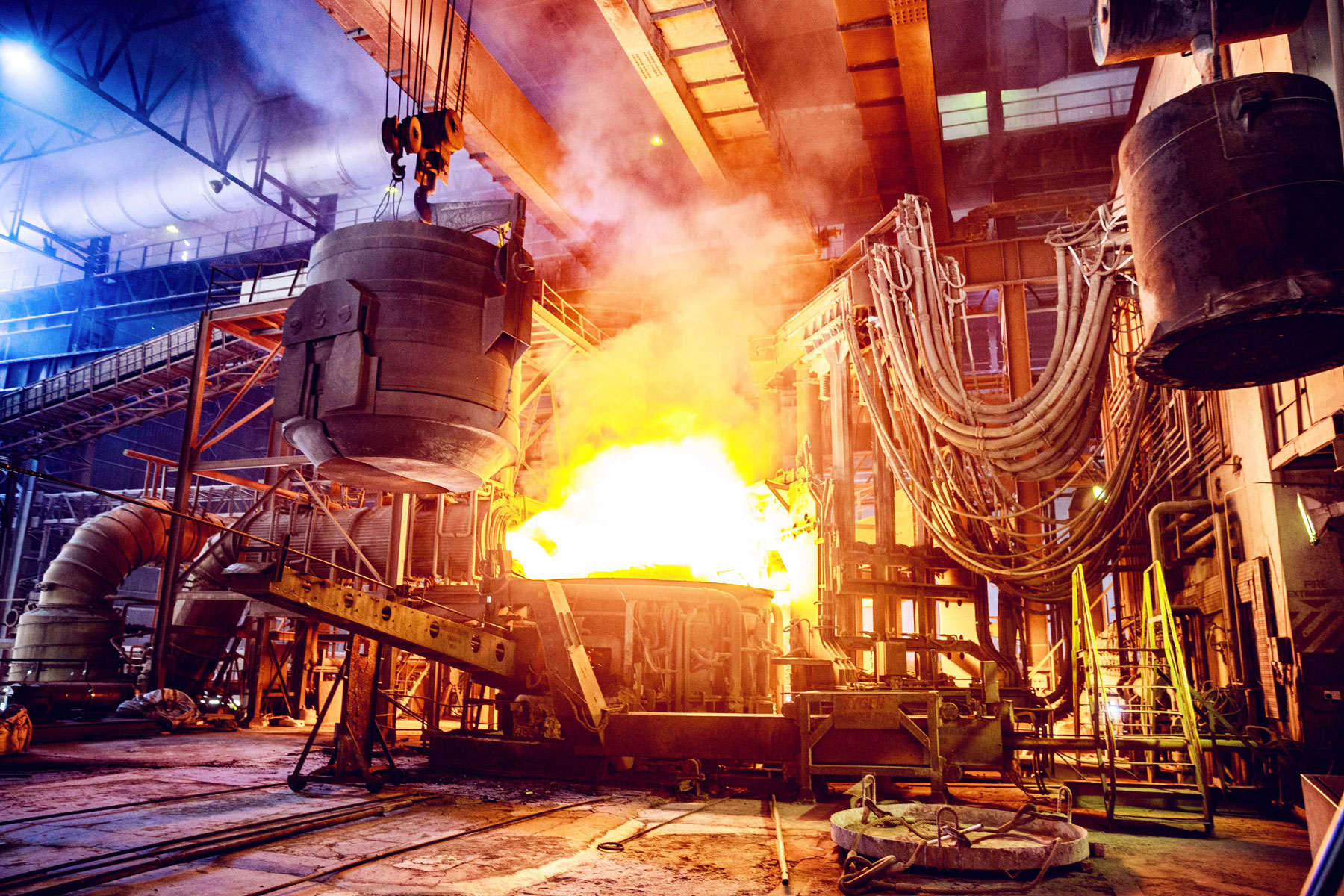
Efficiently feeding an Electric Arc Furnace (EAF) is one of the most direct ways to increase melt-shop throughput. The choice between a charging bucket and a charging car isn’t just about hardware—it impacts crane utilization, floor layout, emissions, automation potential, and cycle time. This guide compares charging bucket vs charging car systems to help you select the right setup for your melt shop, including retrofit scenarios.
Options Overview
Charging systems generally come in two configurations, often used together:
Charging Buckets (Clamshell Buckets)
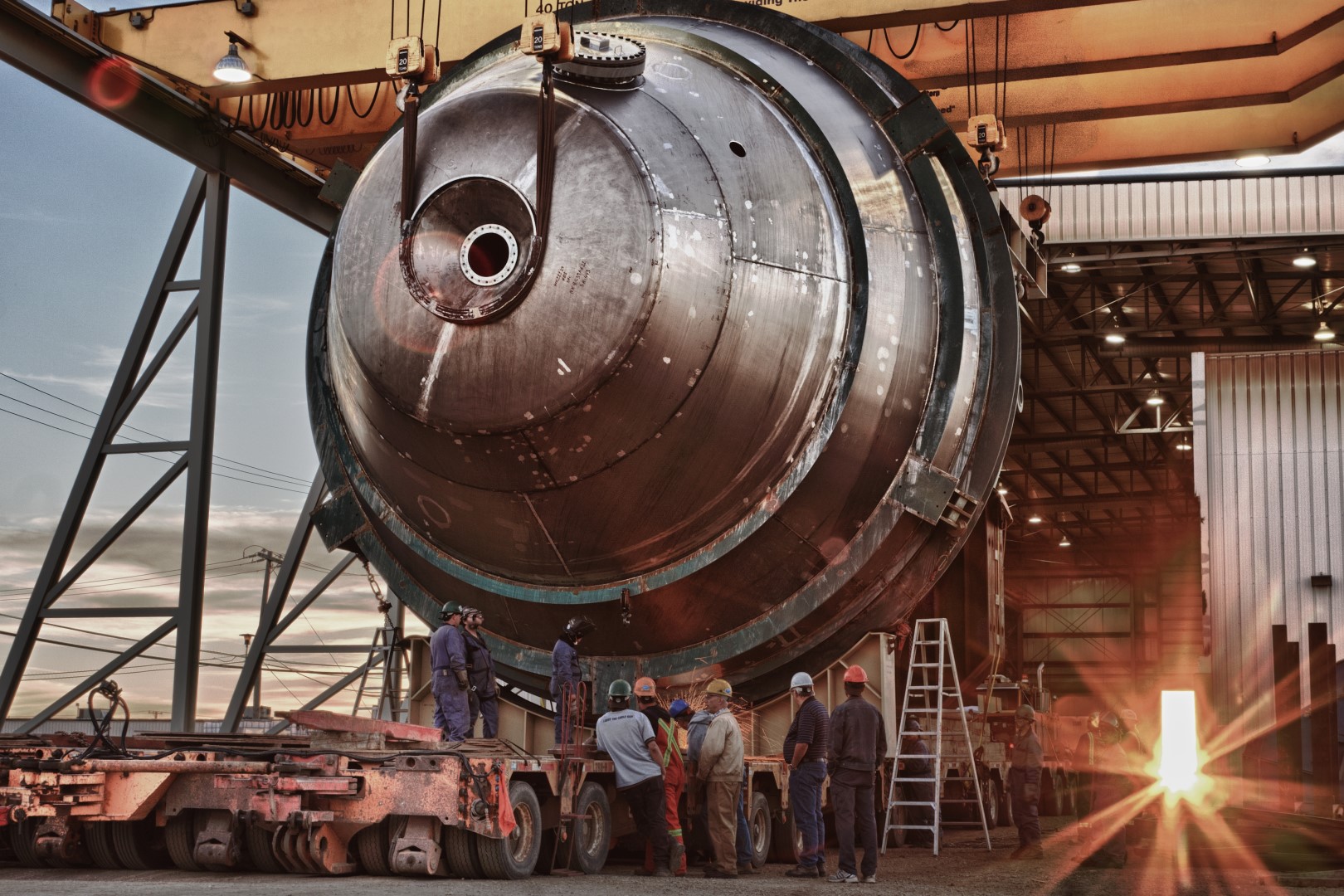
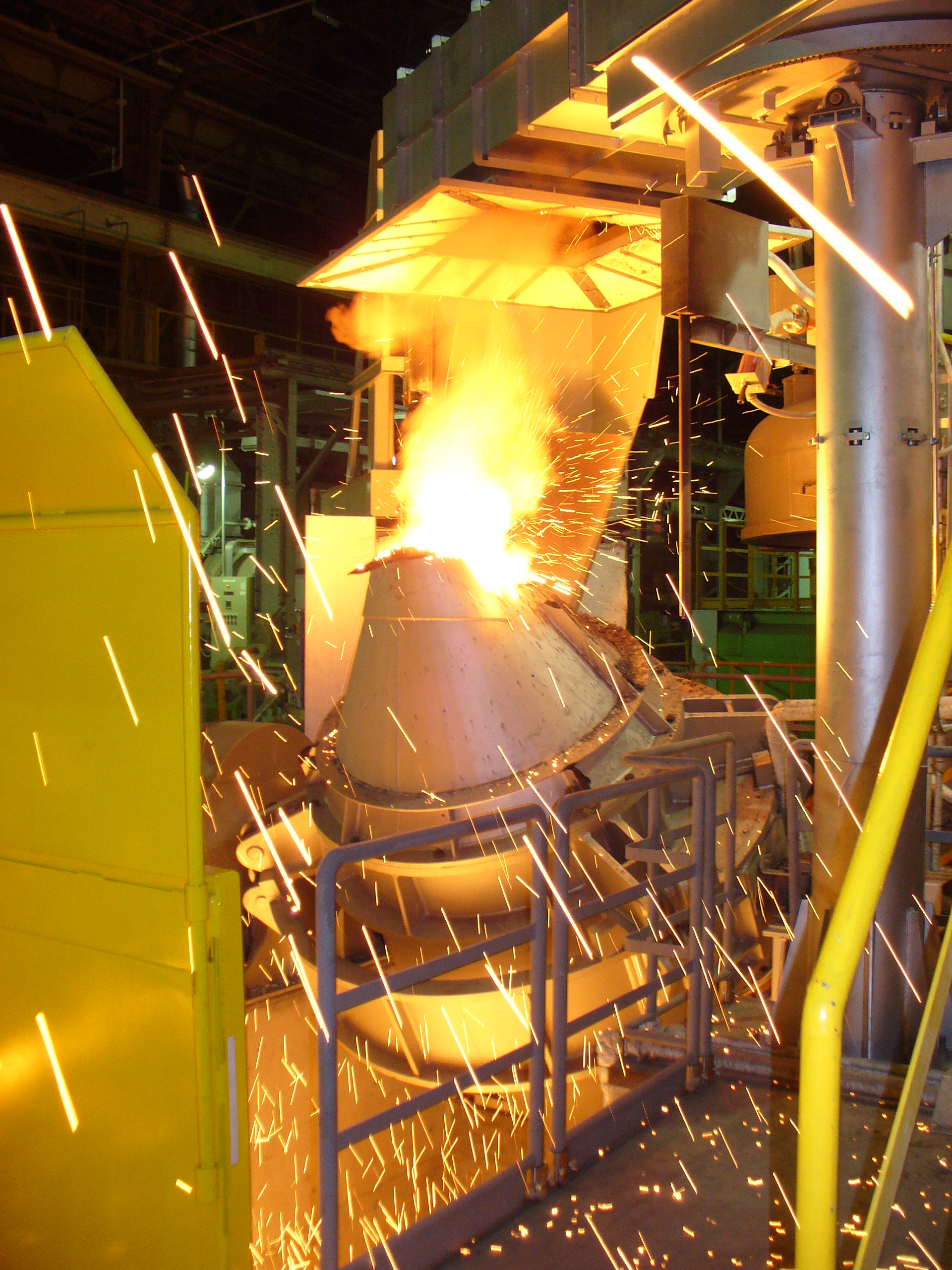
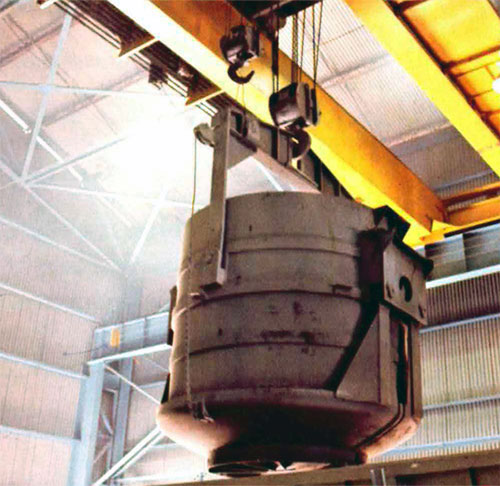
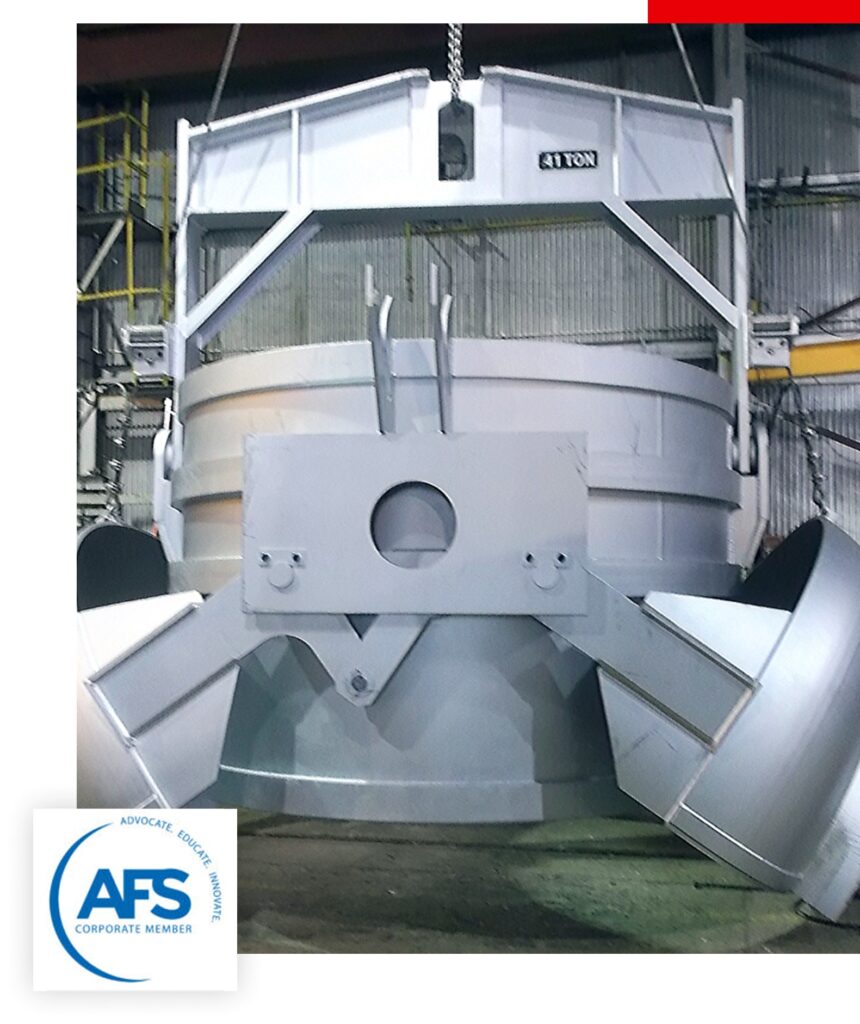
A charging bucket is used to load scrap into the EAF. Whiting supplies large-capacity clamshell buckets, with documented capacities of 1,500 ft³ and 2,850 ft³. Buckets are filled in the scrap yard and lifted to the furnace for charging.
Best for:
- Large, dense charges
- Minimizing the number of charges per heat
- Fast scrap loading
Charging Cars (Transfer Cars for Buckets)
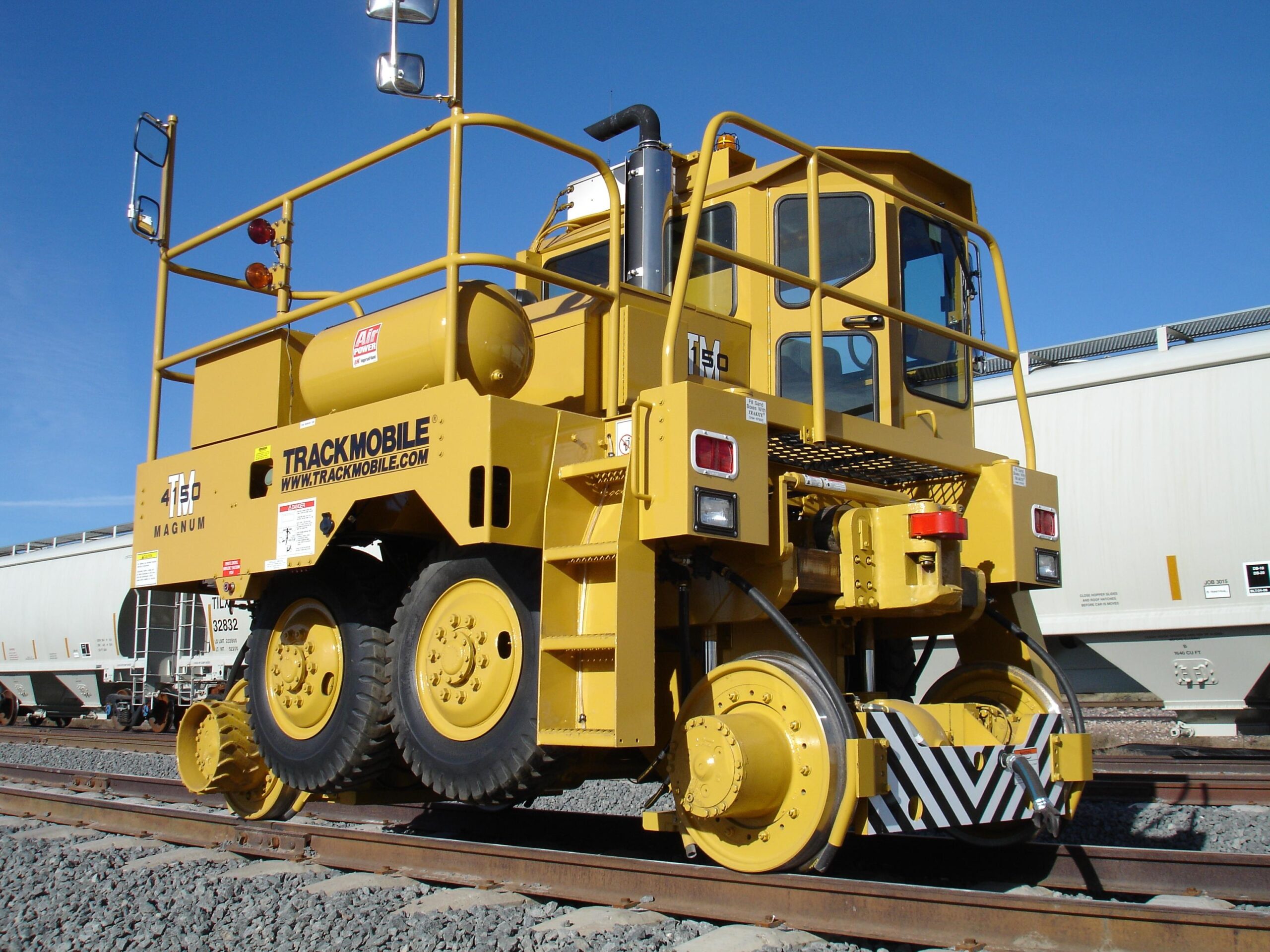
A charging car is a heavy-duty, self-powered vehicle that transports a loaded bucket from the scrap yard to the furnace. Whiting has supplied up to 200-ton, automatic, radio-controlled units specifically for this duty.
Best for:
- Decoupling transport from crane time
- Long-distance moves within the melt shop
- Restricted crane availability or congested bays
Most high-throughput shops deploy both: the charging bucket vs charging car decision is rarely either/or—it’s about where to invest for gains.
Cycle Time Mathematics: Where Throughput is Won
Two proven levers drive charging throughput:
1. Reduce Crane Dependency
Charging cars frees up overhead cranes for other melt-shop duties. By shifting bucket movement off the crane, shops avoid crane bottlenecks that delay tapping and charging cycles.
2. Increase Bucket Capacity
The Whiting team has overseen and documented a real-world upgrade where increasing charge capacity enabled an operation to shift from five charges per heat to three, boosting productivity by reducing charge-and-close cycles.
Cycle-time savings compound: every avoided open-furnace interval improves thermal efficiency, reduces power consumption, and shortens the heat-up time.
Maintenance Demands
Both systems require planned maintenance, but with different profiles.
| Component | Charging Bucket | Charging Car |
| Mechanical Wear | High on hinges, doors, and lugs | Wheels, motors, drives, braking |
| Heat Exposure | Direct exposure at MOFU | Indirect—thermal shielding required |
| Servicing Skillset | Heavy fabrication & welding | Electrical + mechanical + automation |
Industry norm: charging cars require more specialized electrical and controls maintenance, while buckets require more structural/mechanical repair due to impact and thermal stress.
Controls Integration
Modern systems integrate weighing, positioning, and charge control:
- Bucket Weight & Charge Control: Whiting’s Volta Furnace Master provides Charge Bucket Weight Control and manages infeed material handling—critical for recipe accuracy.
- Weighing & Load Cells: Whiting has designed “weigh scale transfer cars” for automated material dosing, demonstrating mature expertise in mounted load-cell weighing.
- Automated Movement: Charging cars can be radio-controlled or fully automatic, supporting pre-programmed travel paths and reduced operator involvement.
A well-engineered charging bucket vs charging car system can function as a semi-autonomous material-delivery loop.
Retrofit Constraints
Legacy melt shops often find space—not budget—is the constraint.
- Mezzanine Installations: In one Whiting project, an AOD plant build required all material transfer pathways to be installed 24 ft above the operating floor due to a no-pit rule. Situations like this may favor rail-bound systems or cars when floor access is limited.
- Furnace Sizing: Shell and bay dimensions dictate bucket geometry and car travel paths. For example, a 13′-4″ EAF shell layout measured 36′-2″ wide when accommodating a clamshell bucket.
Retrofits typically require layout modeling to ensure travel routes do not interfere with fume systems, ladles, or crane envelopes.
Dust & Off-Gas Considerations
Charging can be a major emitter of particulate matter and off-gassing. Proper equipment selection reduces emissions and housekeeping:
- Localized Dust Control: Whiting’s alloy-addition systems include integrated dust control—showing that point-source capture at the MOFU is both feasible and effective.
- Fume Capture with Bucket Charging: EAFs use canopy or “doghouse” fume-capture systems during charging to contain off-gas, especially for large bucket dumps.
- Charging Cars & Enclosed Transfer Routes: Using a charging car allows enclosed scrap-to-furnace corridors, reducing exposure to shop air.
Selection Guide
| If your priority is… | Lean toward: |
| Maximum throughput | Larger charging bucket + charging car |
| Low CAPEX | Bucket-only system |
| Limited crane availability | Charging car |
| Constrained floor space | Bucket with modified crane paths |
| Highest automation | Charging car with integrated controls |
When Hybrids Win
A hybrid system (high-capacity bucket + automated car + automated weight control) delivers the strongest performance in:
- High-throughput mini-mills
- Shops with crane bottlenecks
- Plants pursuing semi-autonomous melt charging
Conclusion
Choosing between a charging bucket vs charging car model isn’t about the equipment itself—it’s about cycle-time efficiency, crane utilization, and layout feasibility. A well-designed system can unlock sustained throughput increases without major furnace modifications.
If you’re evaluating a new charging system or upgrading an existing line, our engineers can help model your charging cycle, assess crane utilization, and recommend the right configuration. Would you like a charging system assessment or layout review to compare options for your melt shop? Contact us, let’s have a conversation.