
The Pillars of Industry – Foundries, Steel, and Rail
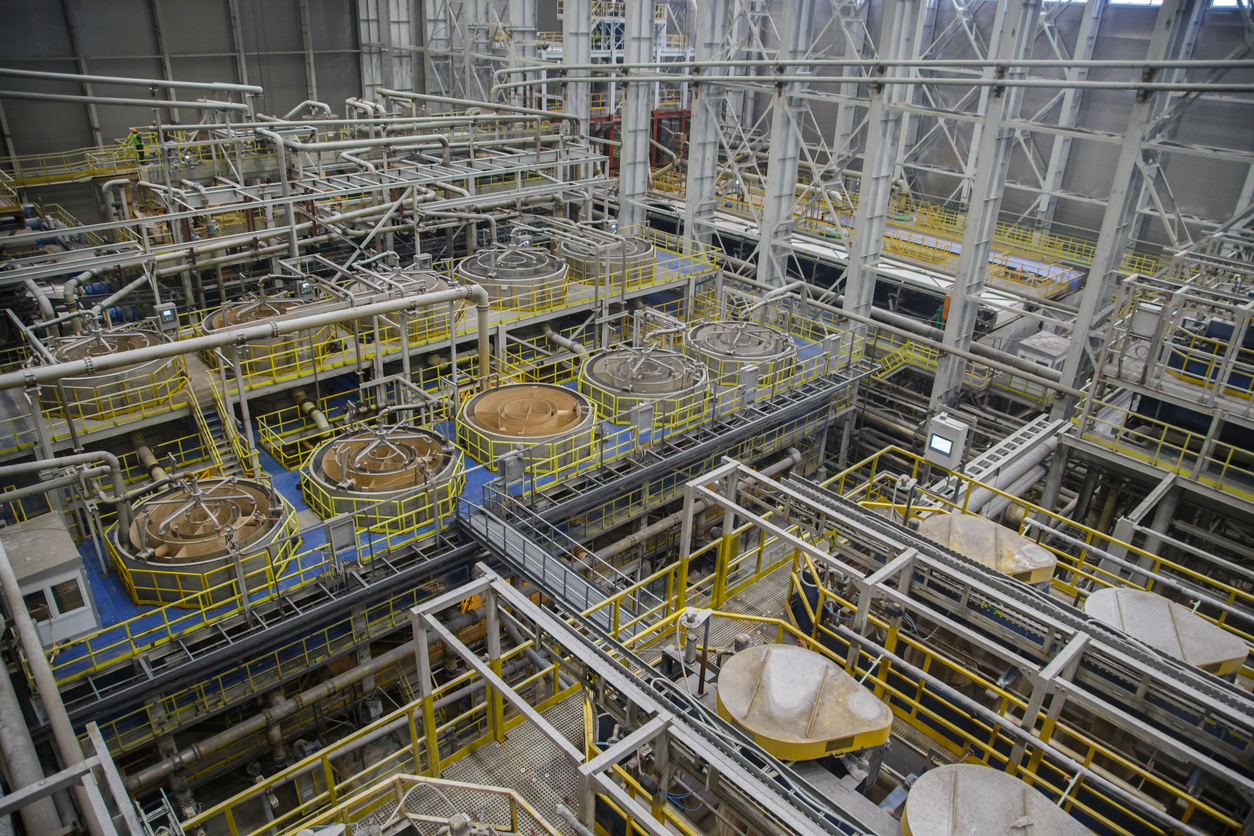
The modern industrial landscape is a complex ecosystem, powered by interconnected sectors that form the bedrock of our economy. Among the most vital are foundries, steel production, and the rail industry. Each operates with immense scale, demanding precision, power, and relentless efficiency. At the heart of these colossal operations lies a critical, yet often understated, discipline: material handling. From the raw materials that enter a plant to the finished products that depart, the seamless, safe, and efficient movement of goods is a strategic imperative. Optimizing material handling directly influences productivity, safety, cost-effectiveness, and ultimately, a company’s competitive edge. This ultimate guide delves into the specialized material handling equipment and strategies essential for success within the demanding environments of foundries, steel mills, and the rail sector, with a specific focus on the operational realities in North America.
The Critical Role of Material Handling in Heavy Industrial Operations
Material handling encompasses the planning, design, and execution of the movement, protection, storage, and control of materials and products. In heavy industrial settings like foundries and steel mills, this involves managing substantial volumes of raw materials, intermediate products, and finished goods, often under extreme conditions. Inefficient or inadequate material handling can lead to significant bottlenecks, production delays, increased operational costs, and, critically, a heightened risk of accidents.
Interconnectedness: Bridging the Foundry, Steel, and Rail Sectors
The symbiotic relationship between foundries, steel production, and rail, where each sector supplies and is supplied by the others, creating an interconnected value chain.
These three sectors are not isolated entities but rather integral components of a larger industrial value chain. Foundries produce castings that can become components for machinery used in steel production or rail maintenance. Steel mills supply the raw material for rail manufacturing and are major consumers of foundry products. The rail industry, in turn, is the primary transportation method for raw materials entering these plants and for finished steel products exiting them. Effective material handling systems must therefore consider the flow of materials between these sectors, ensuring that each transition is as seamless and efficient as possible. This interconnectedness demands a holistic approach to equipment selection and operational strategy.
What This Ultimate Guide Covers: Efficiency, Safety, and Strategic Equipment Choices
This guide provides a comprehensive overview of material handling equipment tailored for the unique challenges of the foundry, steel, and rail industries. We will explore foundational principles, delve into sector-specific requirements, highlight essential equipment categories, and discuss how strategic choices in material handling can drive efficiency, enhance safety, and reduce costs across North American operations. Our aim is to equip industrial managers, purchasing managers, engineers, and decision-makers with the knowledge needed to make informed decisions that optimize their material flow.
Understanding Material Flow: From Raw Materials to Finished Goods
The first step in effective material handling is to map the entire journey of materials, from their initial arrival as raw materials to their final transformation into steel products or other finished goods. This involves identifying all touchpoints, storage locations, and movement paths within a facility. A clear understanding of this flow allows for the identification of inefficiencies, potential hazards, and opportunities for optimization. Whether it’s sand for a foundry mold or scrap metal for a steel furnace, every material has a critical path that must be managed.
Core Objectives: Enhancing Productivity, Ensuring Safety, and Reducing Costs
The primary goals of any material handling system are to enhance productivity by minimizing downtime and maximizing throughput, ensure the safety of personnel and equipment, and reduce overall operational costs. In heavy industries, where loads are immense and environments can be hazardous, safety is paramount. By implementing robust material handling solutions, companies can not only prevent accidents but also improve efficiency, as safer operations typically correlate with smoother workflows.
Key Considerations: Environment, Load Characteristics, and Throughput Demands
When selecting material handling equipment, several factors must be taken into account:
- Environment: Foundries deal with extreme heat, dust, and molten metal. Steel mills face similar challenges with high temperatures, slag, and heavy dust. Rail yards can involve varied weather conditions and vast operational spaces. Equipment must be designed to withstand these specific conditions.
- Load Characteristics: The size, weight, shape, and physical state of the material (e.g., bulk solids, liquids, hot metal, long sections of rail) dictate the type of equipment required.
- Throughput Demands: The volume of material that needs to be moved within a given timeframe is critical. High-throughput operations require robust, fast, and often automated systems, while lower-volume areas might utilize simpler, manual equipment.
Material Handling in the Foundry Sector: Mastering Extreme Environments
Foundries are characterized by intense heat, abrasive materials, and the precise manipulation of molten metal. Material handling in this sector must prioritize durability, heat resistance, and robust safety protocols. The Global Foundry Market requires efficient operations.
Raw Material Intake and Preparation: The Foundation of Casting
The process begins with the intake and preparation of raw materials such as sand, binders, and metal scrap. Efficient systems are needed to unload and store these materials, ready for the melting process.
Hoppers, Silos, and Bulk Material Handling Equipment for sand and raw materials
Large hoppers and silos are essential for storing bulk materials like sand and aggregates used in mold-making. Automated feeders and weighing systems ensure precise delivery of these materials to mixers and molding machines. Equipment must be robust enough to handle abrasive and potentially dusty substances.
Conveyor Systems: Bucket Elevators and Conveyor Belts for continuous flow
Bucket elevators are commonly used to vertically transport sand and other granular materials from ground level to higher processing areas. Conveyor belts, often designed with heat-resistant covers, move sand from mixers to molding lines and transport finished molds. These systems ensure a continuous and controlled flow of materials, minimizing manual labor and associated risks.
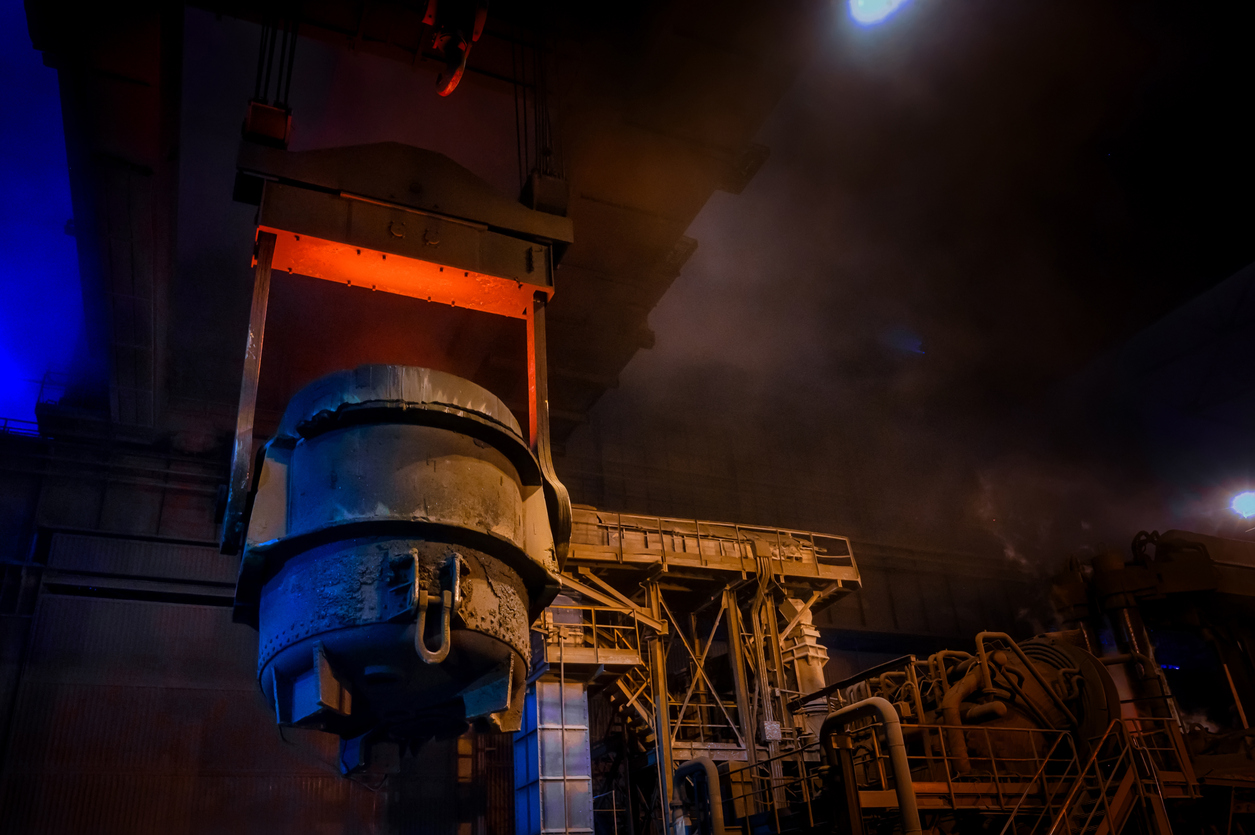
Melting and Pouring: Precision and Safety with Molten Metal
This is arguably the most hazardous stage in a foundry. Moving molten metal requires specialized equipment and stringent safety measures.
Overhead Cranes and Specialized Rigging Hardware for crucible handling
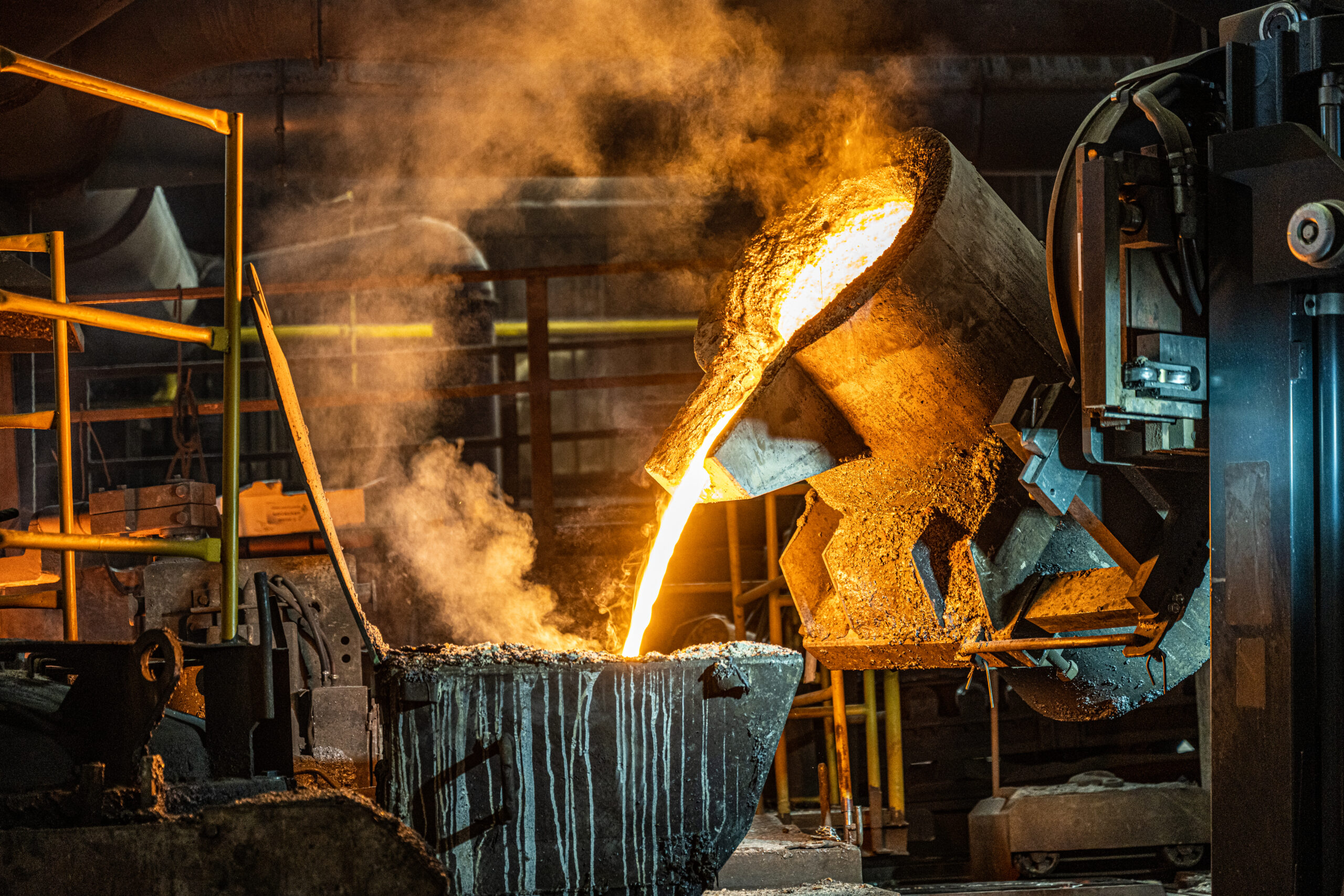
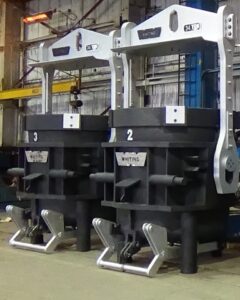
Overhead cranes, particularly robust bridge and gantry cranes, are indispensable for lifting and maneuvering crucibles and ladles filled with molten metal. Specialized rigging hardware, including heavy-duty slings, shackles, and locking mechanisms, ensures secure attachment and safe transfer.
Industrial Trucks for transporting hot metal ladles
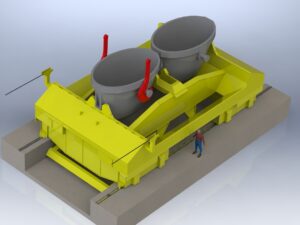
In some foundry layouts, specialized industrial trucks, such as ladle carriers, are employed to transport hot metal from furnaces to pouring stations, offering an alternative to or supplement for overhead crane systems. These vehicles are engineered with thermal protection and stability for molten material transport.
Mold Preparation and Sand Handling Systems
Creating molds is a labor-intensive process often involving large volumes of sand. Efficient material handling streamlines this operation.
Conveyors and Automated Systems for continuous moulding and sand handling
Automated conveyors are critical for moving flasks and molds through different stages of preparation, filling, and finishing. Sand reclamation systems, often incorporating conveyors and screens, are vital for recycling and reusing molding sand, reducing waste and costs.
Stackers and Manipulators for efficient mold management
Stackers can be used to create neat stockpiles of prepared molds or cores. Manipulators assist in precise placement and alignment of mold components, ensuring accuracy and reducing strain on workers.
Casting and Finishing Operations: From Raw Castings to Finished Products
Once the metal has been poured and solidified, the raw castings must be moved through various finishing processes.
Forklifts and Industrial Trucks for moving castings through processing
Forklifts and other industrial trucks or AGVs are extensively used to transport raw castings from shakeout stations to areas for cleaning, grinding, machining, and inspection. The size and weight of castings will determine the capacity and type of forklift required.
Foundry Safety Protocols: Mitigating Risks in High-Hazard Zones
Safety is paramount in foundries. Material handling equipment must be operated by trained personnel following strict protocols.
Steel Production Material Handling: Heavy Loads and High Volume Throughput
The steel industry is defined by massive scale, immense heat, and the constant movement of very heavy materials. Material handling systems must be exceptionally robust and capable of high-volume throughput.
Raw Material Management for Steelmaking
Steel production begins with the intake of vast quantities of raw materials like iron ore, coal, and scrap metal. Efficient unloading, transport, and storage of these materials are foundational.
Heavy-duty Cranes and Industrial Trucks for scrap metal and iron ore
Massive electromagnets on overhead cranes are used to lift and transport scrap metal. Heavy-duty industrial trucks, including large capacity AGVs, forklifts and specialized haulers, move iron ore and other raw materials within the plant. Wagon tipplers are also crucial for unloading bulk carriers.
Hot Metal and Slab Transportation
Moving molten iron and large, hot steel slabs requires specialized, heavy-duty equipment.
Specialized Industrial Trucks and Overhead Cranes for moving hot slabs and coils
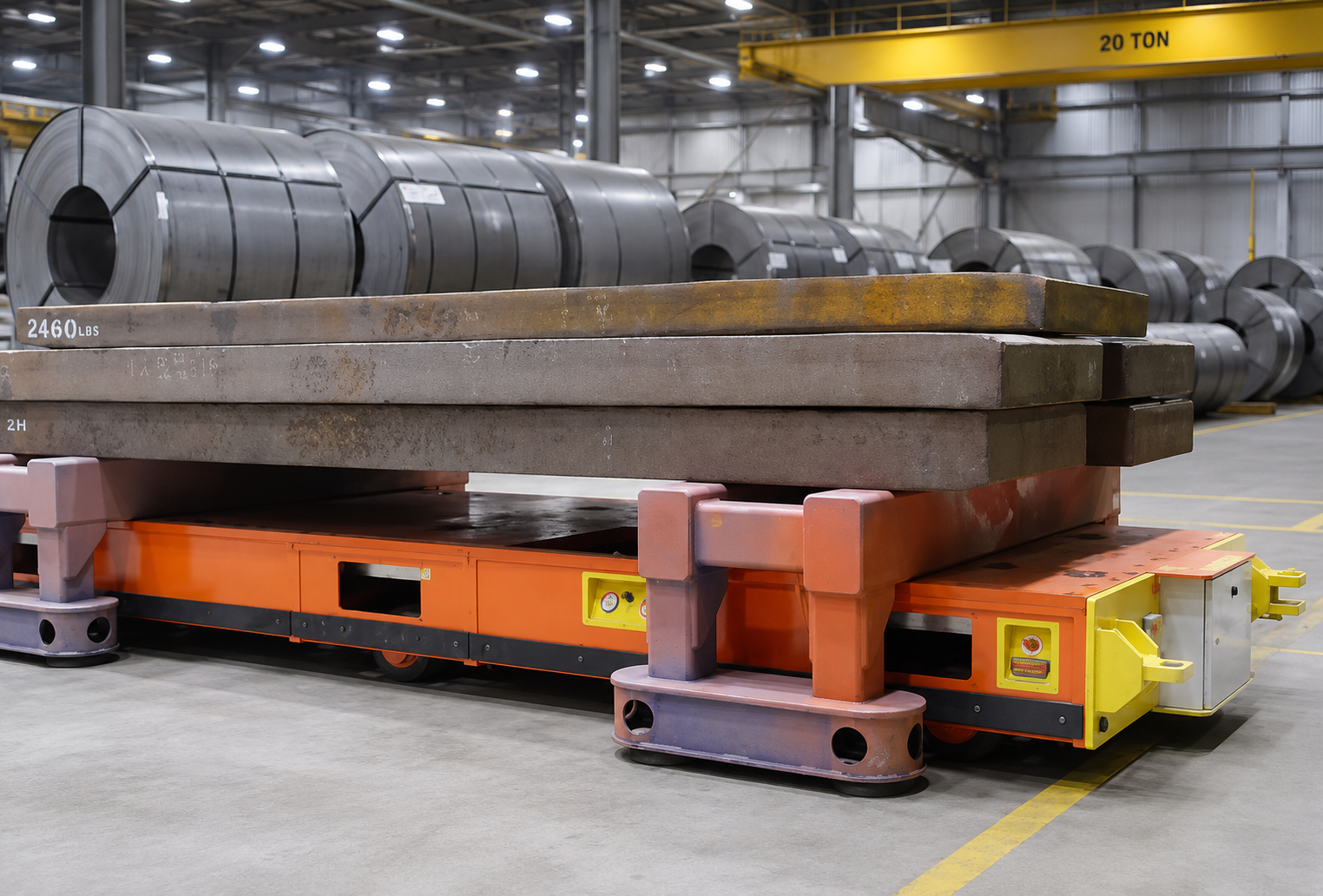
High-capacity overhead cranes are critical for transferring molten iron from blast furnaces to converters and for manipulating large steel slabs. Specialized industrial trucks, such as slab carriers and AGV coil handlers, are designed to securely grip and transport these extremely hot and heavy products.
Conveyor Belt Systems designed for heavy, hot loads
Where applicable, heavy-duty conveyor belts with specialized heat-resistant designs are used to transport raw materials, intermediate products, and even finished steel products within the mill. For extremely hot materials, like newly cast slabs, roller tables are often employed.
Steel Mill Operations: Processing and Finishing Steel Products
After initial production, steel products undergo further processing like rolling, cutting, and shaping.
Roller Systems and Industrial Trucks for shaping and cutting
Roller tables are ubiquitous in steel mills, facilitating the smooth movement of hot steel coils, plates, and beams through shaping and cutting stations. Industrial trucks, including specialized automated guided coil lifters and robust forklifts, are used to move finished steel products to storage or shipping areas.
Warehouse and Storage Solutions for Steel Products
Finished steel products, ranging from rebar to structural beams and sheet metal, are often stored in large warehouses or designated yard areas. Pallet racks are used for smaller items, while A-frames and specialized cradles are employed for long products like pipes and beams. Efficient storage and retrieval systems are crucial to manage inventory effectively.
Steel Mill Safety Protocols: Managing High-Risk Environments
Steel mills present numerous safety hazards, from extreme heat and molten metal to heavy falling objects and sharp edges.
Rigorous Training and Equipment Maintenance
Operators of all material handling equipment, especially overhead cranes and heavy industrial trucks, must receive rigorous, certified training. Regular, preventative maintenance of all lifting and transport equipment, including conveyors and roller systems, is essential to prevent catastrophic failures. Adherence to safety standards is paramount.
Rail Industry Material Handling: Efficient Transport and Logistics
The rail industry is both a consumer of steel products and a vital logistics partner. Material handling within the rail sector involves managing infrastructure components and ensuring the efficient transport of goods.
Production and Logistics of Railroad Rails
The manufacturing and handling of long, heavy railroad rails present unique challenges. Specialized cranes and lifting equipment are required to move rails during production and loading onto transport cars.
Maintenance Operations and Component Management
Rail maintenance depots and yards require efficient handling of components such as track ties, ballast, rail sections for repair, and specialized track machinery.
Overhead Cranes, Hoists, and Industrial Trucks for Maintenance
Overhead cranes and various types of hoists, including electric and manual chain hoists, are used for lifting heavy track components and machinery. Industrial trucks, such as rough-terrain forklifts and specialized AGV railcar movers, are essential for transporting materials within maintenance yards. Pallet jacks and smaller stackers are useful for managing smaller parts and supplies in workshops.
Rigging Hardware: Ensuring Secure Loads
The safe handling of rail components, especially long rail sections, necessitates high-quality rigging hardware. This includes heavy-duty chain slings, wire rope slings, shackles, and safety locks designed to withstand significant loads and outdoor conditions.
Rail Car Loading and Unloading
Efficient loading and unloading of rail cars are critical for supply chain velocity. This often involves a combination of specialized cranes, forklifts, and sometimes even custom-built material handling systems designed for specific commodities transported by rail.
The Rise of Automation and Advanced Technology
Across all three sectors, automation is transforming material handling. The automated material handling equipment market size exceeded USD 67.5 billion in 2023 and is estimated to exhibit 7% CAGR from 2024 to 2032.
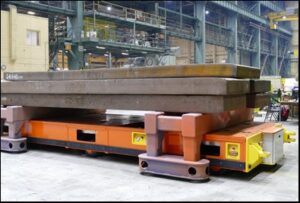
Automated Guided Vehicles (AGVs) and Autonomous Mobile Robots (AMRs)
Automated Guided Vehicles (AGVs) are increasingly deployed in foundries and steel mills for transporting materials. These systems can operate autonomously, navigating predefined paths or dynamically adapting to changing environments, significantly reducing the need for manual intervention and improving safety in hazardous areas.
Warehouse Automation and Integrated Systems
Warehouses in steel processing facilities and distribution centers are benefiting from automated storage and retrieval systems (AS/RS), robotic picking solutions, and integrated conveyor networks. These technologies enhance inventory accuracy, speed up order fulfillment, and optimize space utilization.
Essential Equipment for Integrated Industrial Material Handling
A review of common yet critical equipment types highlights their versatility across these heavy industries.
Lifting and Hoisting Solutions: Overhead Cranes and Hoists
Overhead cranes (bridge, gantry, jib) and various types of hoists (electric, manual, chain, wire rope) are fundamental for lifting and moving heavy loads in foundries, steel mills, and rail yards. Their capacity, span, and lifting height must be carefully matched to the application.
Conveyors: Belt, Roller, and Bucket Elevators
These systems are the backbone of continuous material flow. Conveyor belts handle a wide range of materials, roller systems are ideal for flat, heavy items, and bucket elevators efficiently move bulk granular materials vertically.
Industrial Trucks: Forklifts, Pallet Jacks, and AGVs
AGVs offer an automated alternative for repetitive transport tasks, enhancing safety and efficiency.
Storage and Handling Equipment: Pallet Racks and Warehouse Systems
Effective storage and handling equipment, such as robust pallet racks and shelving, is crucial for organized and accessible inventory management in warehouses and yards.
The efficient, safe, and strategic deployment of material handling equipment is not merely a supporting function within the foundry, steel, and rail industries, it is a core operational necessity that directly impacts profitability, safety, and long-term sustainability. From the initial intake of raw materials in a foundry, through the high-temperature processes of steel production, to the logistics and maintenance demands of the rail sector, specialized equipment plays a critical role at every stage. Understanding the unique environmental challenges, load characteristics, and throughput requirements of each sector, and how they intersect, is vital for making informed purchasing decisions.
As automation continues its rapid ascent, with the automated material handling equipment market showing significant growth, AGVs, AMRs, and sophisticated warehouse automation are increasingly providing solutions to labor shortages and enhancing safety in high-risk environments. Embracing these technologies, alongside time-tested solutions like overhead cranes, conveyors, forklifts, and pallet jacks, allows businesses to optimize their material flow, mitigate the substantial costs associated with workplace injuries, and improve overall productivity. A strategic approach to material handling, one that considers the entire value chain and prioritizes safety and efficiency, is the key to thriving in the demanding landscape of heavy industry. Companies that invest wisely in the right storage and handling equipment, roller systems, and transport solutions.