
Industrial Transfer Cars: A Comprehensive Guide to Types, Applications, and Whiting’s Custom Solutions
Introduction: The Role of Transfer Cars in Modern Manufacturing
In the modern landscape of high-output manufacturing, efficiency is determined not by the speed of a single machine, but by the seamless flow of materials across the facility floor. Industrial transfer cars represent the silent backbone of this logistics ecosystem. While overhead cranes reach for the sky and forklifts and AGVs handle unpredictable, short-range tasks, transfer cars provide the stable, consistent, and automated transit necessary to bridge the gap between production stages. By serving as the primary link in the movement of heavy, high-value loads, these systems minimize bottlenecks, enhance worker safety, and optimize the total cost of ownership for industrial enterprises. This guide explores the engineering, application, and strategic value of industrial transfer cars, positioning them as the essential heartbeat of the modern plant.
Defining Industrial Transfer Cars
Industrial transfer cars are purpose-built vehicles designed to operate on fixed tracks or guided paths within a manufacturing facility. These cars are engineered for the extreme weight requirements of industrial production. They function as mobile platforms that transport heavy materials—ranging from raw steel coils to delicate aerospace components—between fabrication cells, assembly stations, and shipping bays. By eliminating the reliance on irregular manual transport, transfer cars standardize the movement of materials, ensuring that production cycles remain consistent, predictable, and remarkably efficient.
The Evolution of Intra-Facility Logistics
The transition from manual material handling to automated logistics has transformed the factory floor. Decades ago, the movement of massive equipment and raw components relied heavily on overhead bridge cranes or manual labor, both of which presented significant safety risks and operational variability. The evolution toward dedicated transfer cars reflects an industry-wide shift toward “micro-logistics,” where every square foot of the facility is optimized for throughput. Today’s systems integrate seamlessly with existing infrastructure, allowing manufacturers to move multi-ton loads with precision that minimizes the risk of product damage and operator injury.
Why Transfer Cars are Vital to the North American Auto Industry Supply Chain
The North American automotive sector relies on a complex “just-in-time” supply chain that leaves no room for logistical failure. Transfer cars are critical in this environment, acting as the bridge between raw material storage and high-speed production lines. Whether moving massive frames or delivering components to assembly stations, these cars ensure that the production line never starves for parts. By facilitating the constant flow of steel, plastic, rubber, and copper, industrial transfer cars maintain the relentless pace required to satisfy market demand while adhering to rigorous safety standards.
Primary Types of Industrial Transfer Cars
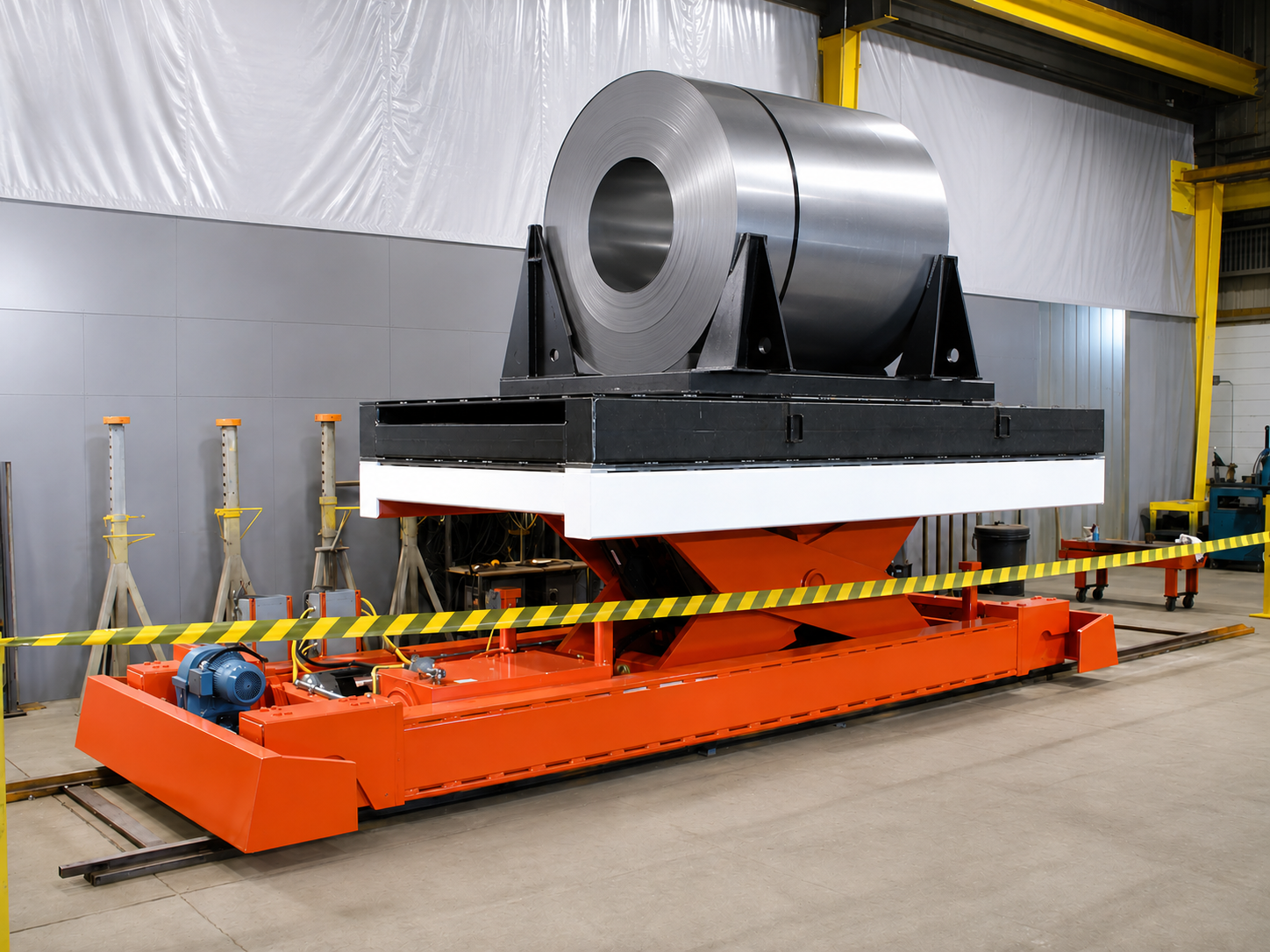
Coil Transfer Cars: Moving Steel Coils with Precision
Steel production requires the movement of extremely heavy coils, often weighing dozens of tons. Coil transfer cars are specifically engineered with cradles or V-shaped saddles to secure the load, preventing shifts during transit. These cars are essential for transporting raw metal from storage to slitting lines or stamping presses, providing a level of stability that generic transport equipment cannot replicate.
Die and Mold Transfer Cars for Heavy Manufacturing
In high-volume manufacturing, the ability to swap heavy dies and molds quickly is a key performance indicator. Die transfer cars serve as the platform for moving massive tooling from storage to the press bed. These cars are often equipped with hydraulic lift systems to match the exact height of the machine, ensuring seamless loading and unloading without the need for auxiliary lifting gear.
Specialized Equipment and Tooling Transfer Cars
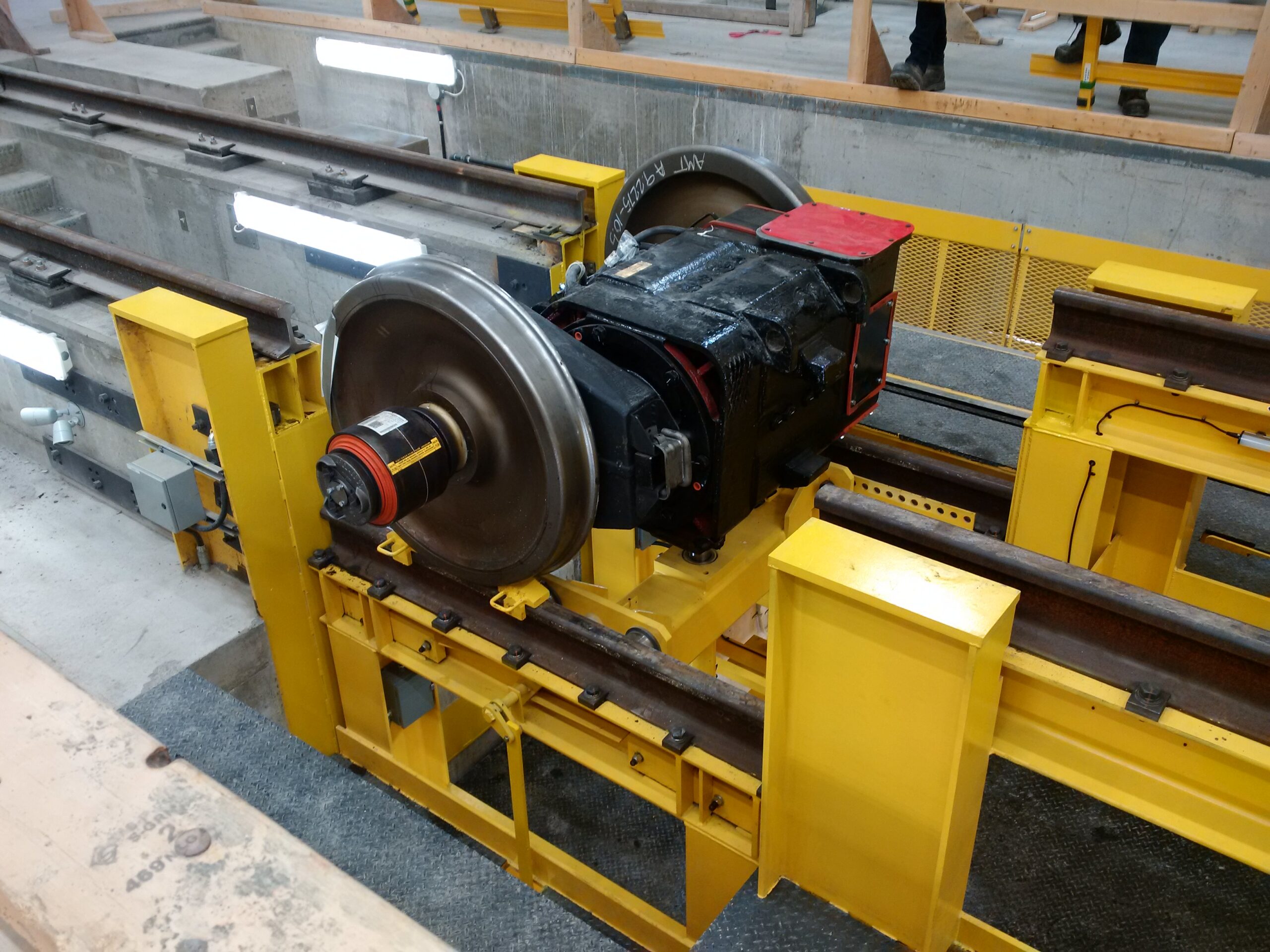
Beyond material transport, transfer cars are often used as mobile platforms for specialized industrial machinery. Whiting designs custom solutions that allow heavy equipment, such as large-scale testing apparatuses, to be moved throughout a facility. This versatility allows manufacturers to utilize their floor space dynamically, shifting equipment based on current production requirements.
General Purpose Industrial Flatbed Cars
When a facility requires a versatile transport solution, general-purpose flatbed cars provide the ideal answer. These cars are designed to move a wide variety of materials, from pallets of components to large machinery parts. With customizable deck configurations—including wood, steel, or even customized fixture mounts—these flatbeds are the workhorses of the plant floor.
Critical Drive Systems and Power Sources
AC Electric Motors vs. DC Electric Motors
The choice between AC and DC drive systems defines the performance characteristics of the car. AC motors are typically preferred for long-term reliability and low maintenance in high-duty cycle applications. Conversely, DC motors offer precise torque control, making them ideal for heavy starting loads. Selecting the correct system depends on the required speed, load capacity, and the existing electrical infrastructure of the facility.
Hydraulic Motor Drive Systems
For environments where fire hazards are a concern or where extremely precise, smooth motion is required, hydraulic drive systems offer a robust alternative to purely electrical drives. These systems are highly effective at providing high-torque movement at lower speeds, making them the standard choice for heavy-lift applications where stability is paramount.
Battery-Powered and Hybrid Solutions
Sustainability is becoming a primary focus in manufacturing, with companies looking to reduce their carbon footprint. Battery-powered transfer cars offer a modular solution that eliminates the need for complex, cable-based power feed systems. Furthermore, hybrid models that integrate regenerative braking or energy-efficient battery technology allow plants to manage their overall energy consumption more effectively.
Propane-Fueled Internal Combustion Engines for Outdoor/Indoor Use
For facilities that lack widespread electrical infrastructure or require outdoor-to-indoor capabilities, propane-powered engines provide a flexible power source. These units offer the raw power required for heavy transport while emitting significantly lower particulates compared to diesel engines, making them viable for well-ventilated factory environments.
Manual and Tow Carts for Light-Duty Operations
Not every load requires an automated drive system. For lower-capacity or intermittent logistics needs, towable carts provide an economical alternative. These carts are engineered for durability, allowing them to be pulled by tractors or track tuggers, effectively integrating into existing plant transport systems without the cost of a powered unit.
Enhancing Efficiency with Advanced Engineering Features
Fabricated Steel Construction for Durability
At the core of a long-lasting transfer car is the frame. Whiting utilizes high-strength fabricated steel construction to ensure that every car can withstand the rigors of 24/7 industrial use. This heavy-duty design prevents deformation under massive loads, ensuring the long-term structural integrity that generic equipment often lacks.
Super-Rail Low Friction Roller Sections
To maximize energy efficiency, advanced transfer cars utilize low-friction roller technology. By reducing the drag encountered during movement, these systems allow for lower motor power requirements, directly impacting the total energy consumption of the facility.
Battery-Powered Hydraulic Lifts for Integrated Loading
A transfer car is only as efficient as its loading process. By integrating battery-powered hydraulic lifts, Whiting allows operators to adjust deck heights on the fly. This ensures that the car aligns perfectly with existing station heights, reducing the need for crane time and eliminating manual handling risks.
Automated Control Systems and Remote Operation
Automation is the next frontier of plant floor logistics. Modern transfer cars can be equipped with programmable logic controllers (PLCs) and remote operation capabilities. This allows a single operator to command a fleet of cars, guiding them through complex facility layouts with pinpoint accuracy and safety.
Safety First: Protecting Personnel and Assets
Anti-Collision Sensors and Emergency Stop Systems
In a busy manufacturing environment, safety is the highest priority. Transfer cars are equipped with state-of-the-art radar and laser-based anti-collision sensors. These systems automatically detect obstacles or personnel in the path of the car, triggering a controlled stop long before a collision can occur.
Audible and Visual Warning Indicators
To maintain workplace awareness, transfer cars utilize a suite of safety signals. Bright, strobe-like lighting and high-decibel audible alarms ensure that operators in the vicinity are always aware of a car’s proximity and movement status.
Load Stability and Securement Features
Preventing the shifting of cargo is essential for the safety of the entire facility. Whiting can integrate custom tie-downs, magnetic mounts, and securement saddles into the deck of the car. These features ensure that even irregularly shaped loads remain firmly fixed during transit.
Adhering to Industrial Safety Standards and Regulations
Compliance is the foundation of industrial operations. Whiting’s transfer cars are designed and built to meet the most stringent safety regulations in Canada, the United States and globally. Every unit undergoes rigorous testing to ensure it conforms to current electrical and structural safety standards, providing peace of mind for site managers.
Industry Applications: Where Transfer Cars Drive Value
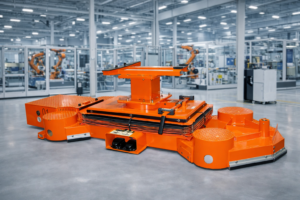
Automotive Assembly Plants: Feeding the Production Line
In automotive facilities, transfer cars are the engine of assembly. They transport components to and from specialized stations, such as those using pugmills or heavy-duty presses. By integrating transfer cars into the line, manufacturers ensure a consistent flow of materials, which is crucial for meeting the complex logistics demands of modern vehicle production.
Steel Mills and Foundries: Handling Raw Materials and Finished Goods
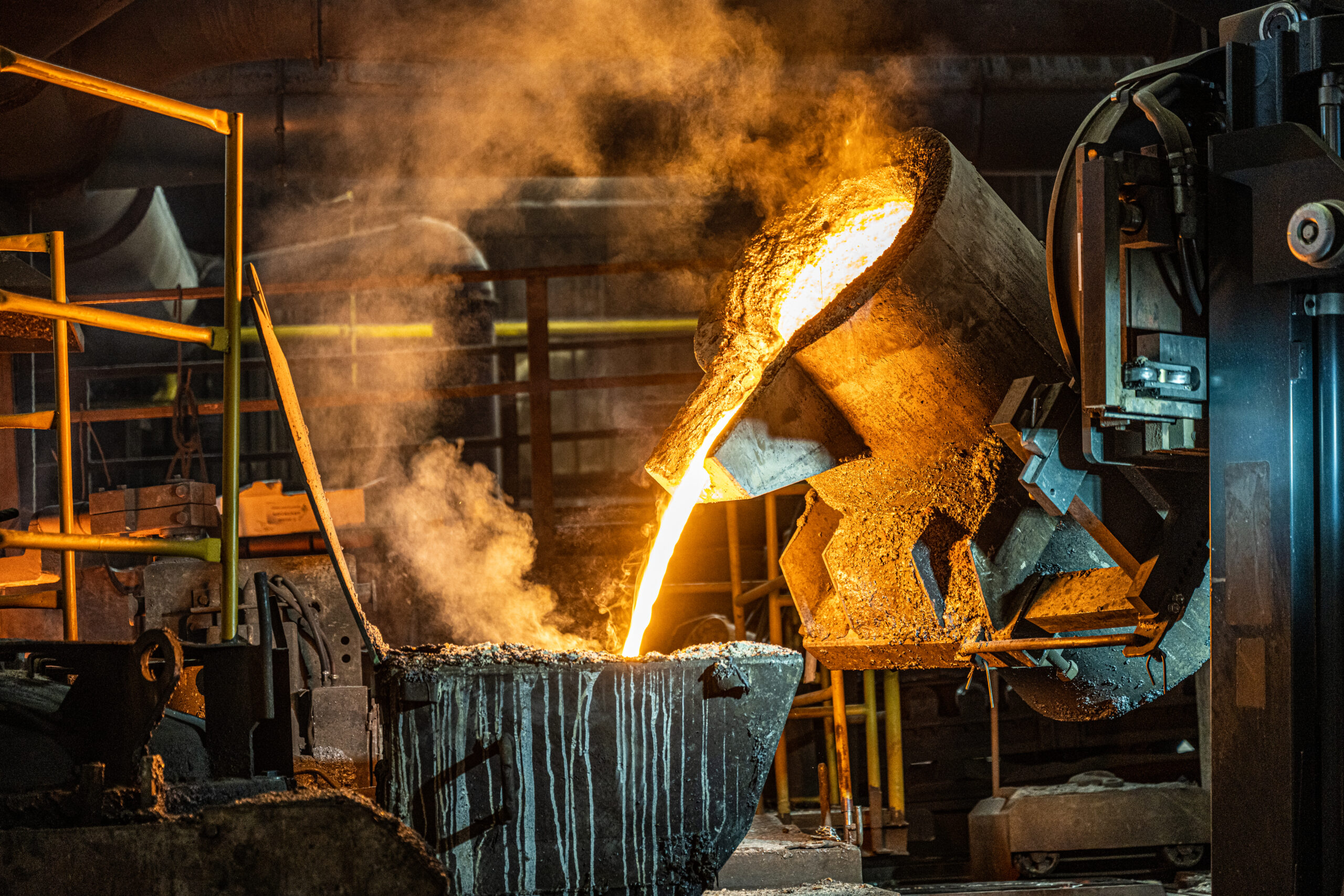
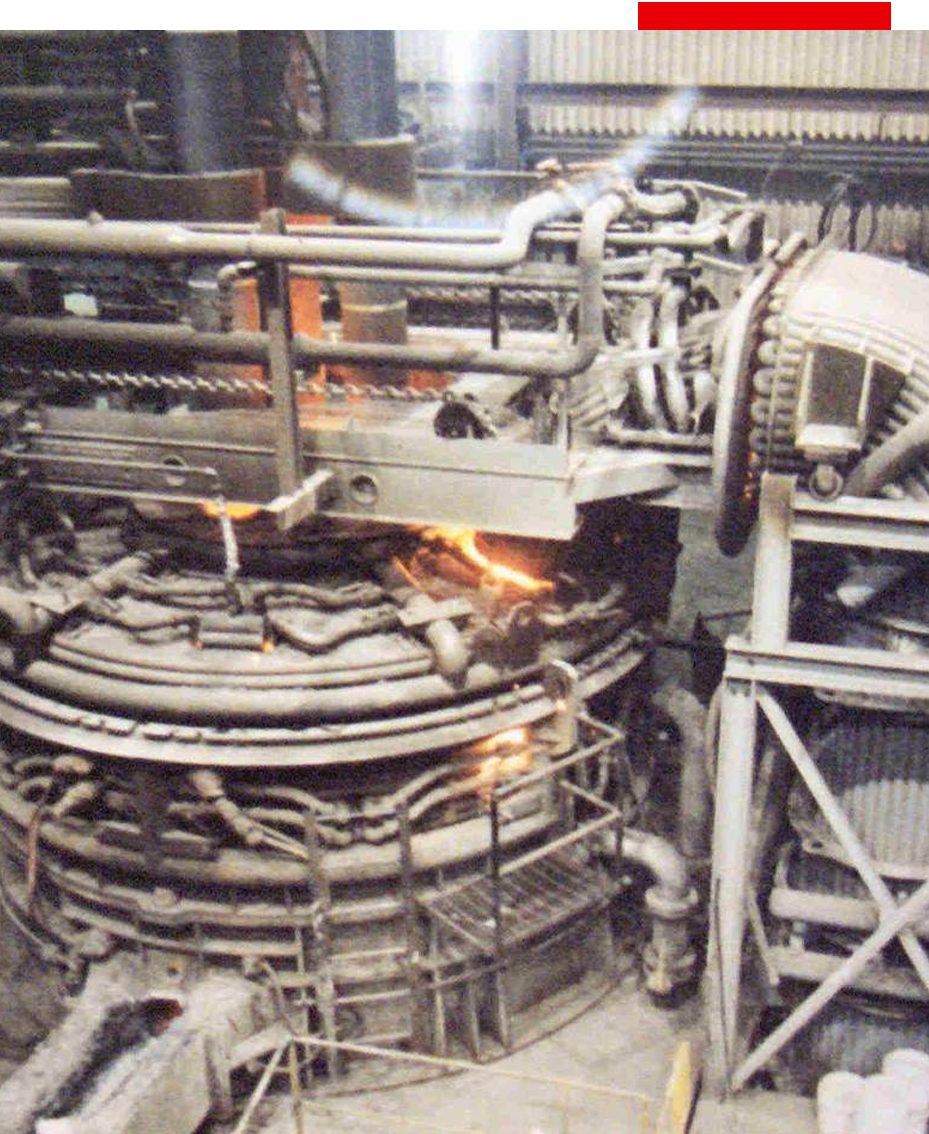
The extreme heat and weight of foundries demand equipment that can handle harsh conditions. Transfer cars move molten metal containers and finished steel products with ease, resisting heat-induced fatigue and structural stress better than any alternative material handling equipment.
Conclusion
Industrial transfer cars are far more than simple material handling tools; they are the essential infrastructure that enables high-volume manufacturing. By replacing unpredictable manual methods with engineered, automated, and secure transport systems, facility managers can resolve operational bottlenecks, drastically improve safety, and lower their total cost of ownership. Whether moving steel coils, heavy dies, or specialized mining equipment, Whiting’s custom solutions provide the reliability and precision required to sustain modern production.
For organizations looking to optimize their internal logistics, the path forward begins with assessing current material flow challenges. By integrating Whiting’s advanced engineering—from hybrid power sources to automated control systems—facilities can achieve a higher level of operational excellence. As energy consumption and safety regulations continue to evolve, investing in custom, durable, and highly efficient transfer car technology is not just an operational choice—it is a competitive necessity. For your next facility upgrade, prioritize solutions that integrate seamlessly into your unique production environment, ensuring that your facility remains the standard for quality and efficiency in your industry.