
Wear Mechanisms in Harsh Mining Environments
In mining and metallurgical operations, corrosion and abrasion are relentless forces that can significantly impact productivity. From brine-rich lithium refining to high-temperature slag handling, every component in contact with slurry, vapor, or molten material is constantly subject to degradation. The challenge of mining corrosion abrasion materials handling lies not in eliminating wear, but in controlling it through intelligent materials selection, design, and maintenance planning.
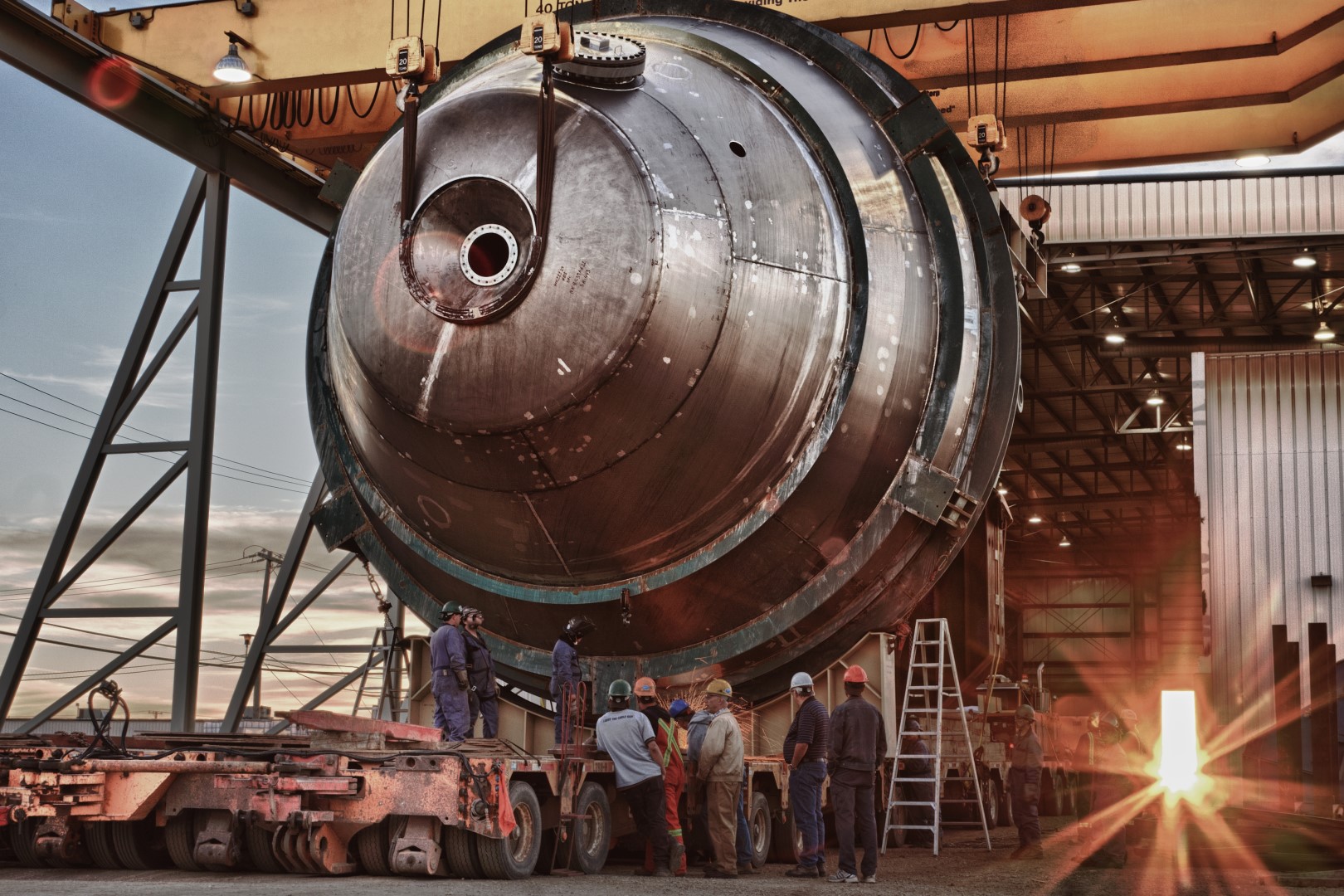
Whiting Equipment Canada has spent decades engineering heavy-duty transfer, melting, and refining systems that can withstand both chemical and mechanical attacks. From water-cooled furnaces to lined ladles and evaporators, the company’s designs combine metallurgical know-how with field-tested reliability.
Material Options: Refractories, Alloys & Liners
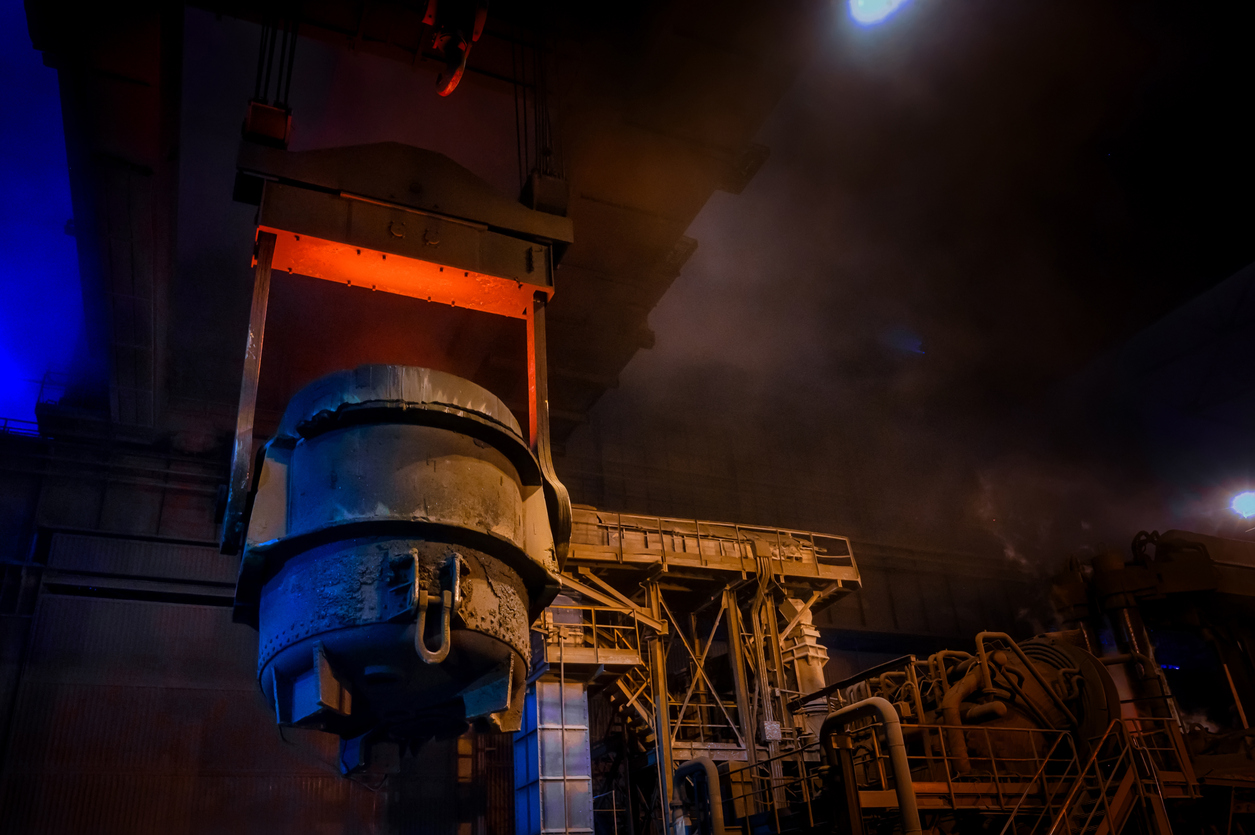
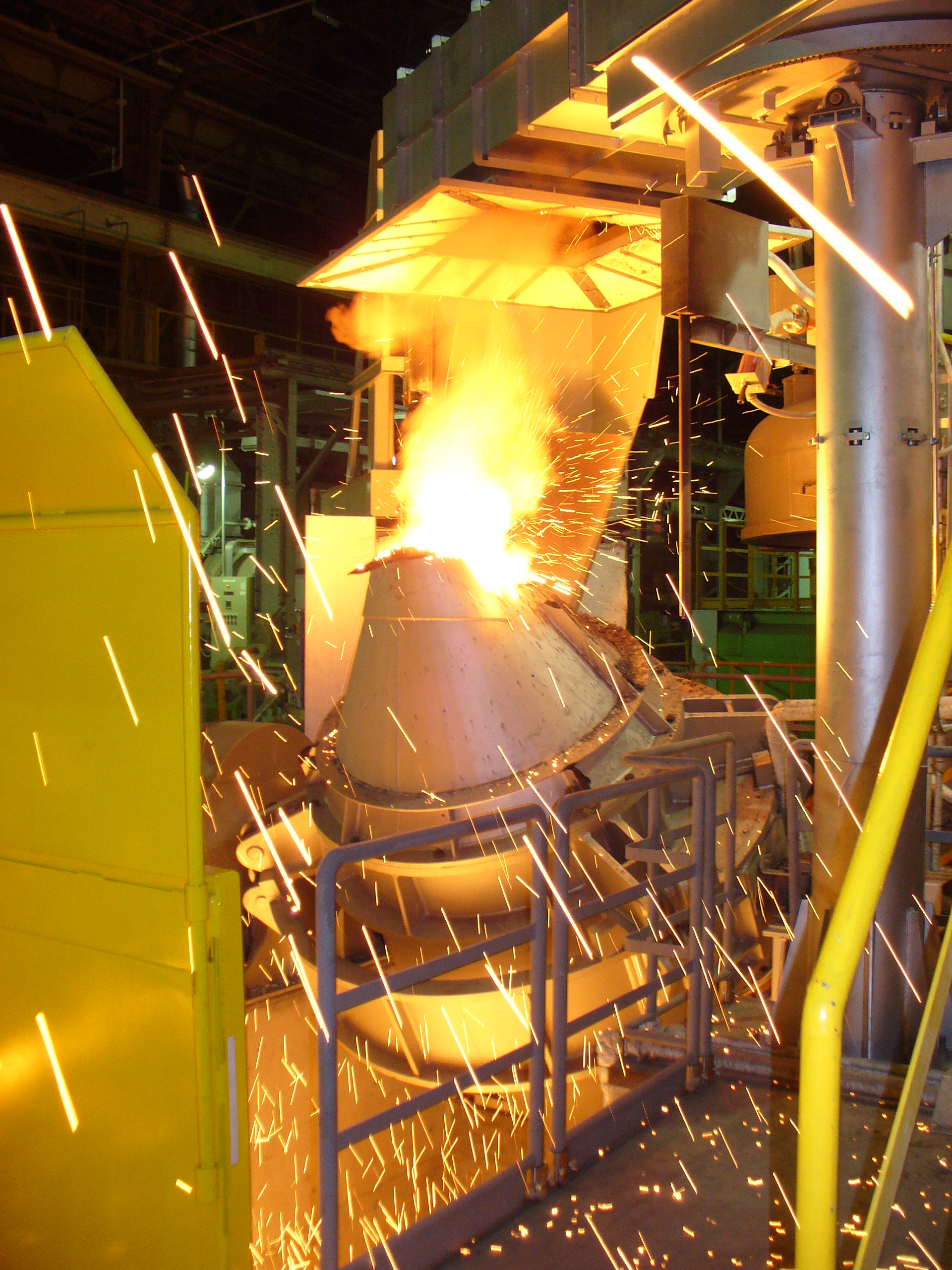
In high-temperature and highly abrasive zones—cupolas, electric arc furnaces (EAFs), or slag-handling ladles—specialized linings serve as the first line of defense.
Refractory Solutions:
- Acidic monolithic linings composed of silica ganister, silica flour, and Western bentonite are used for cupola melting zones, ladle interiors, and EAF bottoms. These materials must be carefully dried and preheated to around 2000°F to ensure structural integrity.
- For nonferrous operations, graphite-type liners prevent metal contamination and maintain heat retention during pouring.
- Refractory retaining plates and welded angles are incorporated in ladle shells to secure the wear lining and extend service intervals.
Metallurgical Alloys:
In high-chloride or high-salinity process environments, nickel-based alloys, duplex stainless steels, and protective claddings are preferred over carbon steels. These resist chloride-induced pitting and stress-corrosion cracking—common threats in brine-handling systems and crystallizers processing lithium-bearing streams.
Coatings, Cooling & Corrosion Control
Protective coatings and thermal control systems play an equally vital role in combating wear.
- Water-cooled structures, such as those used in Whiting’s EAFs and AOD converters, provide 80–85% sidewall panel coverage. This significantly reduces refractory consumption by minimizing direct heat load and slag attack.
- Smooth-welded, scale-free water channels prevent localized corrosion by ensuring continuous cooling flow and avoiding stagnant water zones—a common cause of pitting in cooling circuits.
- Surface treatments—including high-nickel spray coatings and epoxy-lined ducts—extend service life where immersion or splash corrosion is unavoidable.
The integration of cooling, coatings, and corrosion-resistant materials makes Whiting’s systems suitable for mining, corrosion, abrasion, and materials handling under the most aggressive industrial conditions.
Design for Maintainability & Safe Access
Durability doesn’t end with materials—it also depends on how the system is designed for serviceability.
Whiting’s ladles and lifting equipment include several features to simplify maintenance and enhance worker safety:
- Ease of relining: Split sectional spouts on E-Z Pour Outside Teapot Spout Ladles allow partial replacement without complete teardown.
- Safe access: Hydraulic Ladle Relining Platforms and Personnel Lifts position workers at optimal height during rebricking—eliminating scaffolding risks and improving ergonomics.
- Component protection: Air gaps between trunnion shafts and ladle bowls prevent heat migration into bearings, while sealed housings block dust and shot ingress.
This approach to maintainability directly supports lifecycle reliability—critical in remote or high-production environments where downtime is measured in lost tons, not hours.
Inspection Intervals & Wear-Part Budgeting
A successful wear management program combines scheduled inspection with data-backed replacement planning.
- Weekly inspections of wire rope and critical lifting components are standard for heavy-duty cranes and ladle hoists.
- Refractory budgeting uses volumetric weight data—about 138 lb/ft³—to forecast lining consumption by bowl size and thickness. This allows maintenance teams to order the right volume of refractory per campaign and plan relines proactively rather than reactively.
- Condition-based inspection tools, including infrared thermography and ultrasound thickness gauges, are increasingly integrated into Whiting’s predictive maintenance regimes to flag wear hot spots before they lead to failure.
Case Example: Brine-Exposed Components
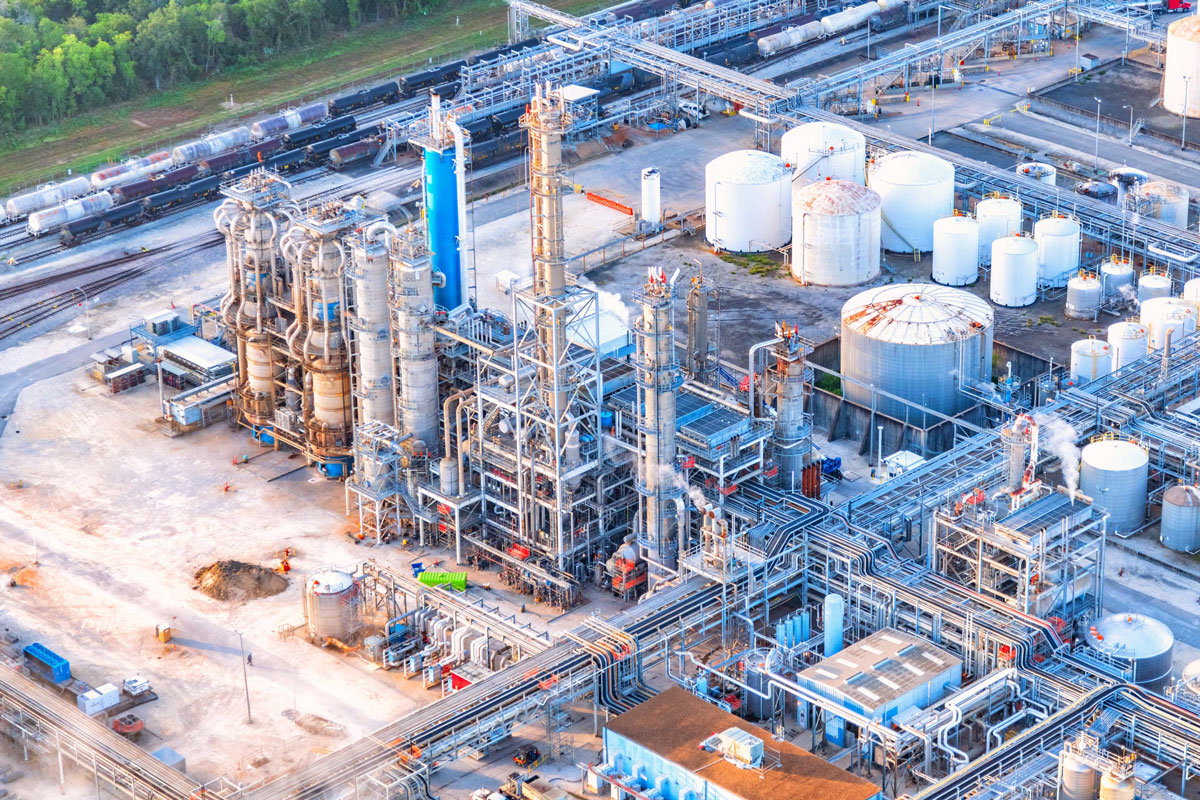
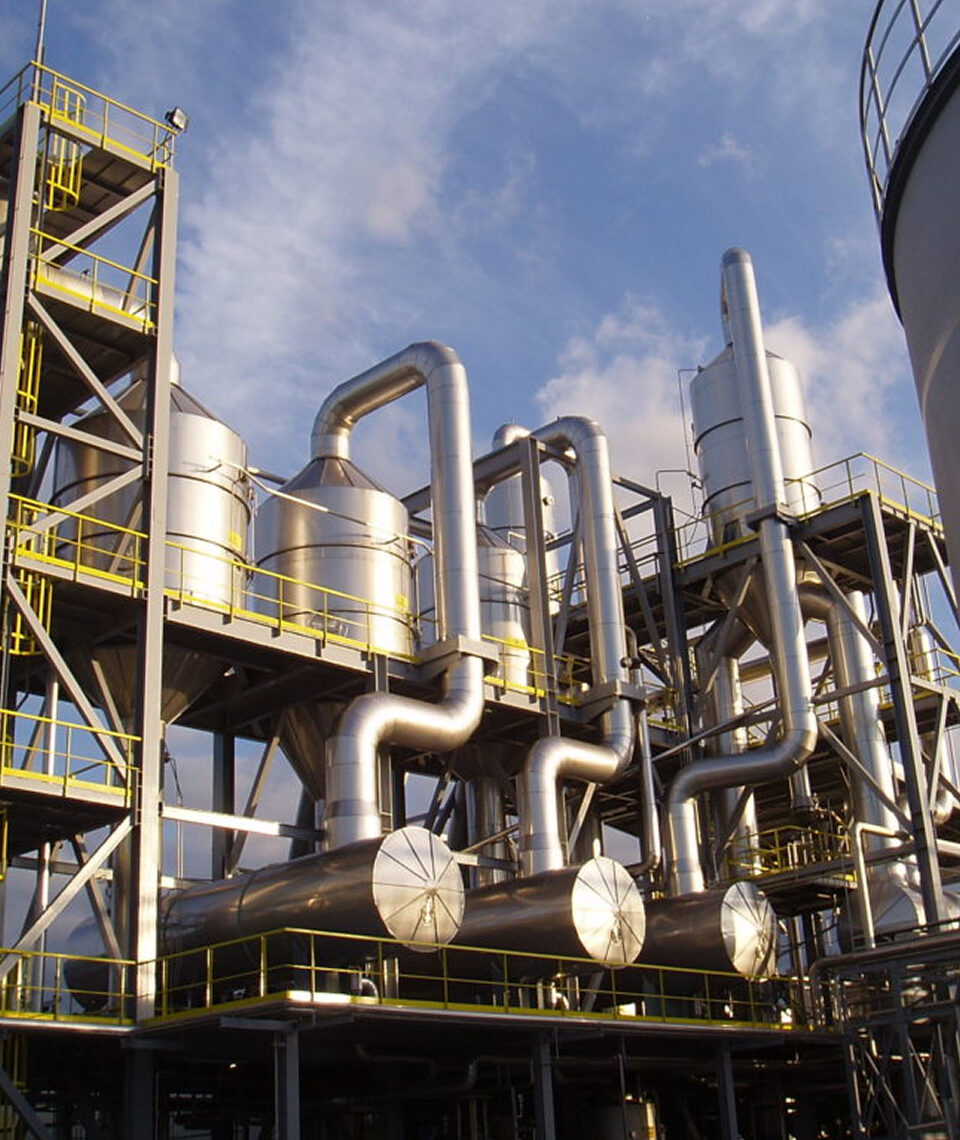
In chemical and battery-raw-material refining, brine-rich feeds pose a dual challenge: chloride corrosion and mechanical abrasion from entrained solids. Whiting’s collaboration with Swenson Technology on evaporators and crystallizers illustrates how both can be mitigated.
Pilot testing of high-chloride, high-TDS (total dissolved solids) feeds identifies fouling tendencies and informs the selection of heat-exchanger alloys and internal geometries. Forced-circulation and falling-film evaporators, paired with corrosion-resistant materials and smooth hydraulics, maintain uptime while reducing maintenance frequency.
This predictive testing and material tailoring have become standard across Whiting’s product lines, from molten-metal ladles to brine evaporators, with each design customized for its chemical, mechanical, and thermal wear profile.
(Example scenario provided for illustrative purposes only.)
Budgeting for Longevity
Planning for wear is not a concession—it’s a core part of sustainable design. Allocating capital toward better alloys, modular liners, and removable spouts often yields payback in the first year of operation through reduced downtime and extended inspection intervals.
Whiting’s equipment philosophy reflects this principle: every design balances upfront material cost against total lifecycle value. Whether handling molten metals or corrosive brines, our systems are built for decades of performance under the harshest duty cycles—an essential goal for any operation seeking durability in mining corrosion abrasion materials handling.
Conclusion
For assistance in selecting wear-resistant materials and coatings for mining or metallurgical equipment, please get in touch with Whiting Equipment Canada. Our engineering team can assist with refractory selection, corrosion-resistant alloy choices, and predictive maintenance planning tailored to your specific operating conditions.