

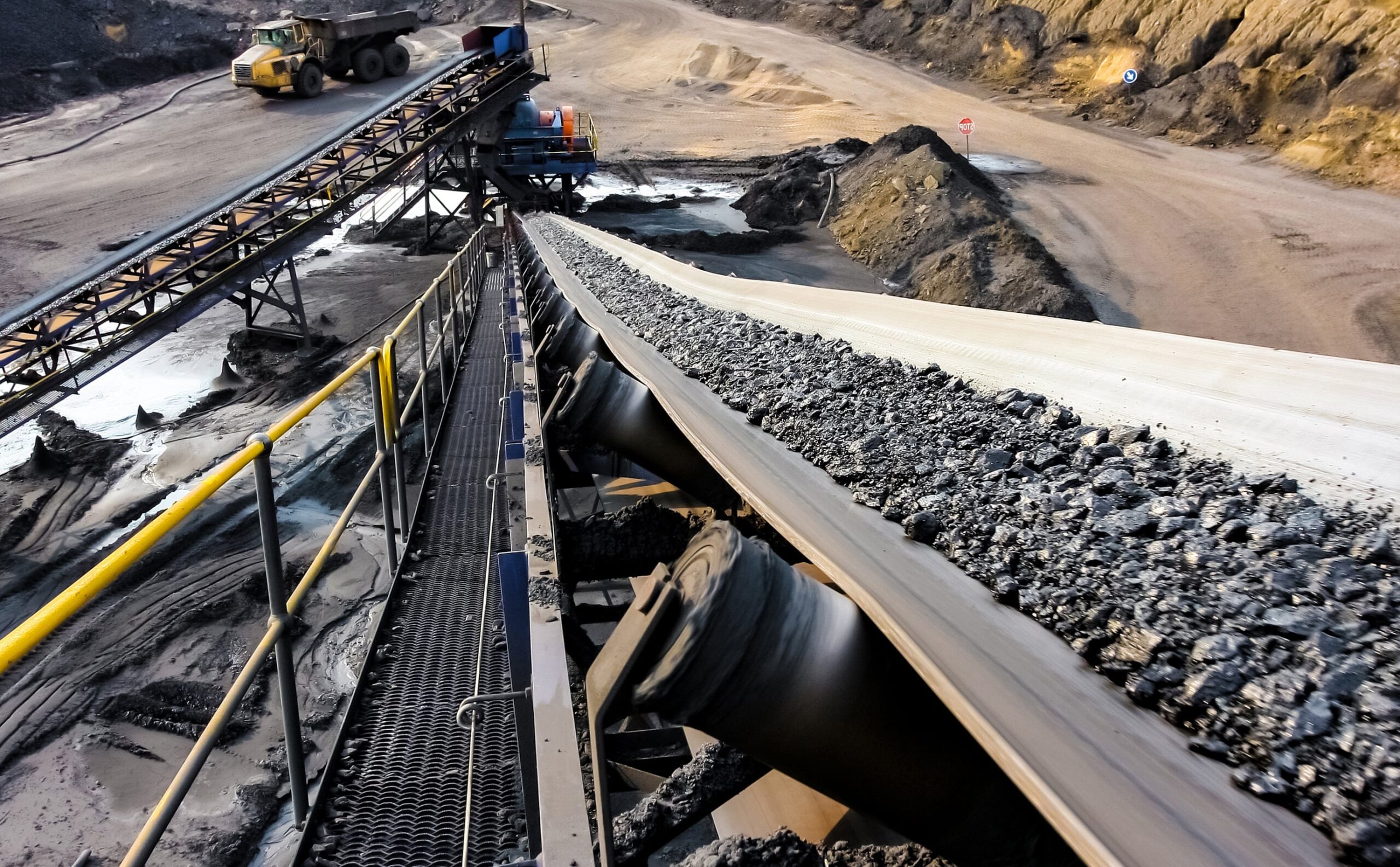
Eliminating Loading/Unloading Bottlenecks
Plenty of processes occur before mining materials reach Whiting’s evaporators and crystallizers, and even minor interruptions at loading or unloading points can ripple through the entire value chain. Whether ore is hauled from pit to crusher or concentrate is transferred to processing lines, a few minutes of downtime per cycle can add up to hours of lost throughput each day. Eliminating mine loading to processing bottlenecks means optimizing how materials move—not just the speed of trucks and conveyors, but how every interface, buffer, and control system keeps the plant running continuously and safely.
Interfaces to Crushers and Mills
The transition from haulage to processing is one of the most common constraint points in mine operations. Haul trucks arriving faster than crushers can process material cause long queues, while inconsistent feed rates lead to fluctuating mill performance and energy inefficiency.
Solutions often begin with redesigning truck-dump interfaces and crusher hoppers. High-capacity dump pockets, wider throat openings, and steep wall angles prevent hang-ups and spillage. Feeders—whether apron, grizzly, or vibrating pan types—are increasingly equipped with variable-speed drives and load sensors to regulate the feed rate into the primary crusher. The goal is a steady, choke-fed condition that maintains consistent crushing power and throughput.
In larger concentrators, surge tunnels or reclaim hoppers serve as a buffer between haulage and milling, allowing haul trucks to dump ore continuously while mills draw it at a controlled rate. These systems eliminate start-stop conditions that shorten equipment life and inflate energy use.
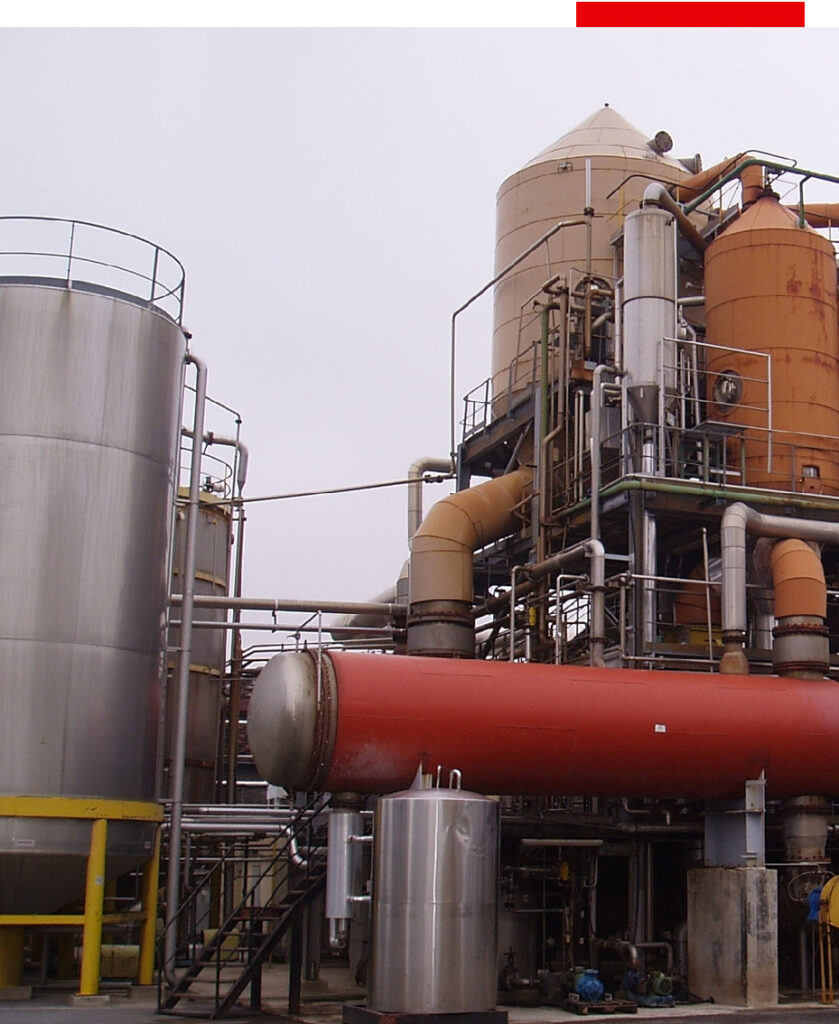
Buffering, Surge, and Flow Control
A properly designed surge capacity is one of the most effective ways to smooth throughput. Industry best practice recommends buffering for at least 15–20 minutes of crusher or mill feed, depending on ore type and truck cycle time.
Material flow from these buffers is controlled through belt weigh feeders or variable-frequency drives (VFDs) on reclaim conveyors. Modern distributed control systems automatically adjust feed rates to balance mine output and mill demand, thereby reducing the need for operator intervention.
This approach not only addresses mine loading to processing bottlenecks but also stabilizes downstream processes, such as flotation and leaching, which perform best under constant feed conditions.
Controls and Interlocks
Automation now plays a central role in eliminating bottlenecks at transfer points. Supervisory control and data acquisition (SCADA) systems link mine dispatch, conveyors, feeders, and stockpile reclaim systems into a single unified control layer.
Critical safety and efficiency interlocks ensure that conveyors start only when feeders are clear, hoppers are within their level limits, and crushers are running at the proper set points. When integrated with fleet-management systems, these controls can even dispatch trucks dynamically, rerouting haulers to alternative dumps or crushers if sensors detect a slowdown.
The combination of real-time visibility and automatic control not only prevents overloads but also maintains continuous material flow, even under variable mining conditions.
Throughput Metrics and Continuous Monitoring
Eliminating bottlenecks starts with measuring them. Plants that monitor tons per operating hour at every transfer point quickly identify which stage is limiting production. When coupled with time-stamped truck-cycle and crusher-availability data, engineers can calculate true effective utilization (EU)—a critical benchmark for optimizing mine-to-mill performance.
Some operations now employ digital twins of their material-handling systems, simulating changes in haul cycle, surge capacity, or crusher settings to predict throughput impacts before modifying infrastructure. These models enable operators to make informed capital decisions that target the most restrictive links in the chain.
Changeover Time and Equipment Flexibility
In remote mines, downtime during maintenance or material changeover is often the single largest source of lost throughput. Reducing these delays requires equipment designed for quick swaps and modular replacement. For example:
- Quick-change chute liners and wear plates allow fast turnaround between ore types.
- Mobile conveyors or relocatable surge bins can be repositioned as pits advance.
- Plug-and-play control connections reduce re-commissioning time during relocations.
Each of these strategies reduces the non-productive gap between loading and processing, thereby increasing effective utilization without requiring significant capital investments.
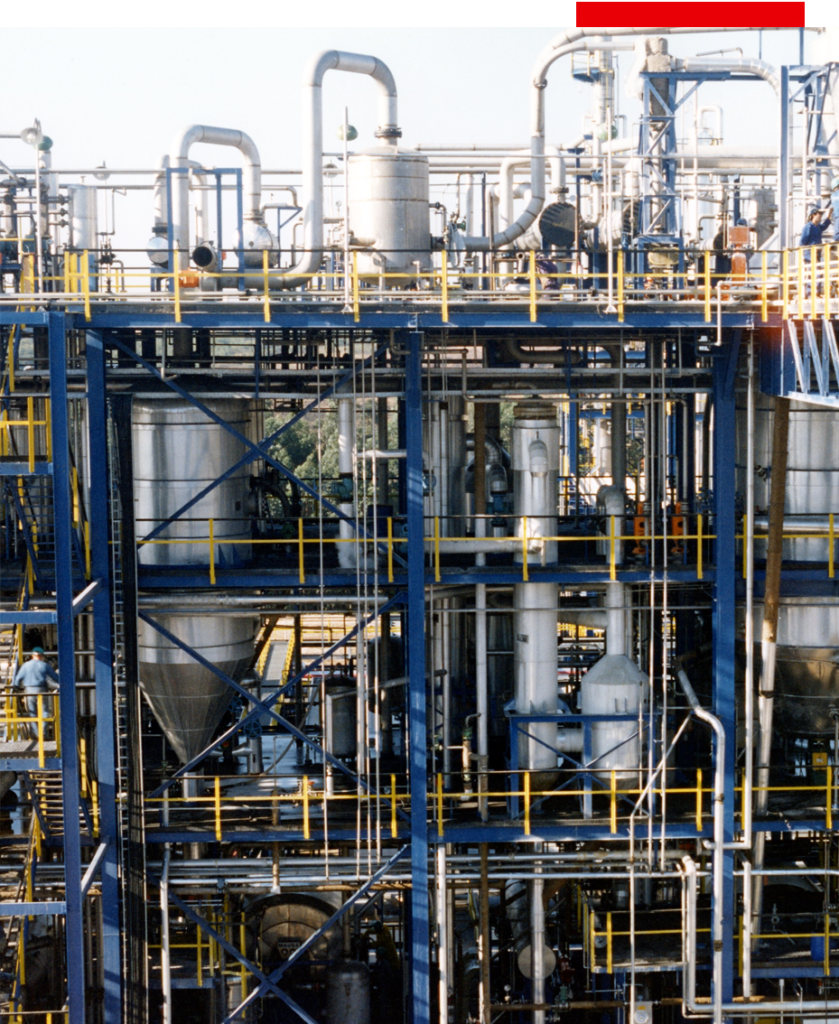
Operator Workflow and Safety
Efficient loading and unloading rely as much on people as on equipment. Poor visibility, unclear traffic patterns, or uneven ground near loading zones can slow cycle times and create hazards. The most productive mines design their loadout areas around operator ergonomics, featuring clear signage, automated lighting, proximity sensors, and radio-frequency identification (RFID) access zones that reduce confusion and improve truck turnaround times.
Remote operation of dozers, stackers, or loaders in surge areas also minimizes the need for personnel in high-risk zones, improving both safety and uptime
Case Example: Crushing Bottleneck Elimination
In a large open-pit copper operation, haul-truck bunching can lead to reduced crusher utilization. For example, if engineers can identify a 12% shortfall in crusher utilization caused by haul-truck bunching, adding a 2,000-ton surge bin with automated level control and variable-speed feeders allows the mine to decouple the haulage schedule from crusher operation. The result can be as significant as a 9 % increase in overall throughput and a measurable reduction in fuel use due to fewer idle trucks.
(Example for illustrative purposes only; based on typical results from similar large-scale mining upgrades.)
Conclusion
Eliminating mine loading to processing bottlenecks is not simply a matter of adding more horsepower—it’s about creating a balanced, data-driven flow from pit to plant. By combining adequate buffering, smart automation, and maintainable designs, mining operators can achieve continuous feed, improved energy efficiency, and a measurable return on every ton moved.
Aiming to diagnose or redesign material-transfer systems? Our specialists can model your current loading, surge, and crushing interfaces to identify actual constraints—and deliver practical solutions that keep material and profit moving. Let’s talk.