
Choosing the Right Material-Handling Architecture
In remote mine operations, efficient material movement is the backbone of productivity. Whether hauling ore between crushing stations or transferring concentrates to railheads, every ton moved depends on systems engineered for both durability and adaptability.
The question of mobile vs fixed material handling has become a defining decision for modern mining projects. Fixed systems offer capacity and control; mobile systems deliver agility in terrain that shifts with the mine’s life cycle. The right balance determines not only throughput, but also lifecycle cost, maintainability, and long-term safety.
Capex / Opex Trade-Offs
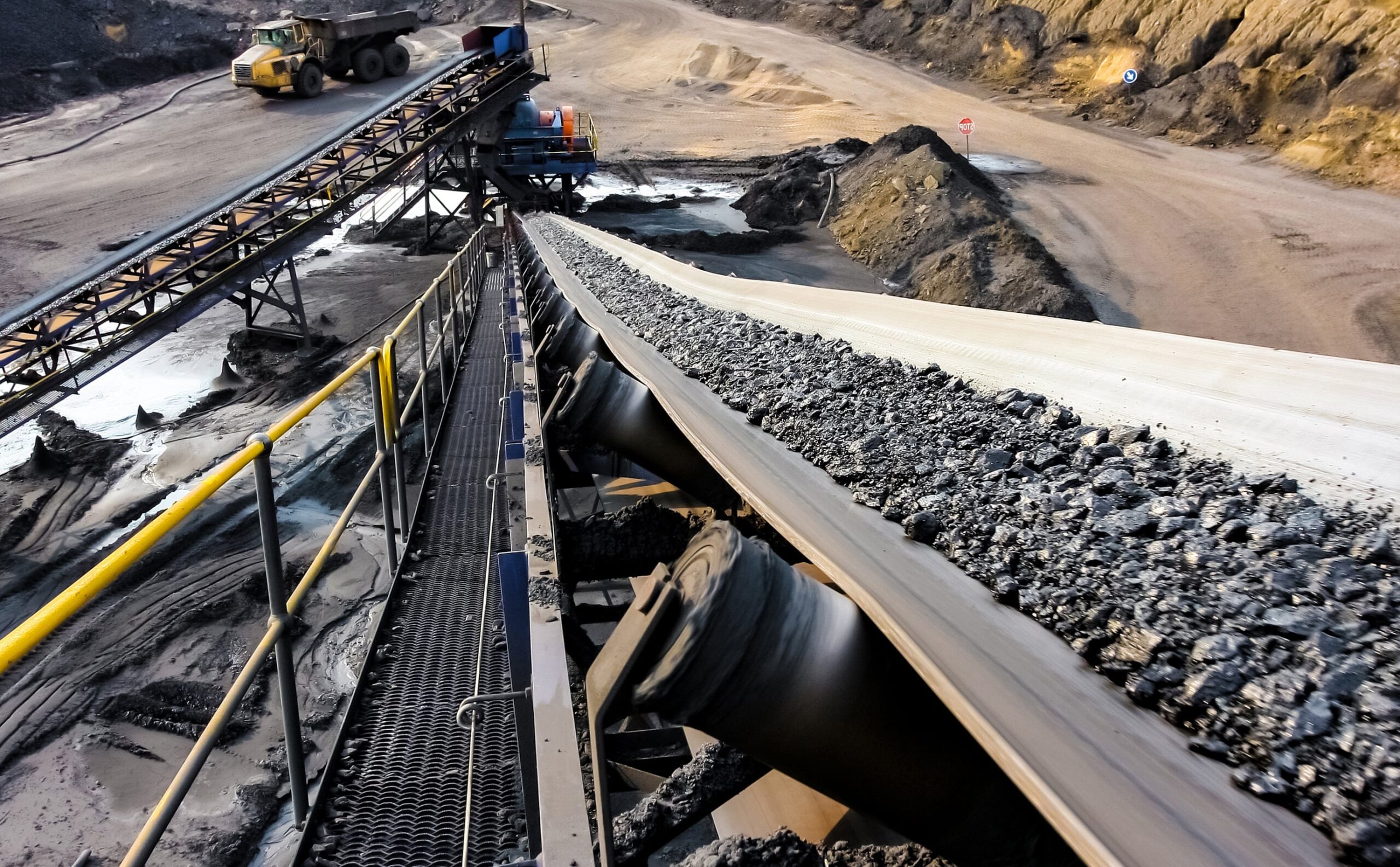
Fixed systems—such as heavy-duty transfer cars, conveyors, or stationary lifts—carry higher initial capital costs but lower ongoing operating expenses, including fuel and labor. Their long service life, low per-ton maintenance, and integration into central control networks make them ideal for mines with stable ore bodies and predictable throughput.
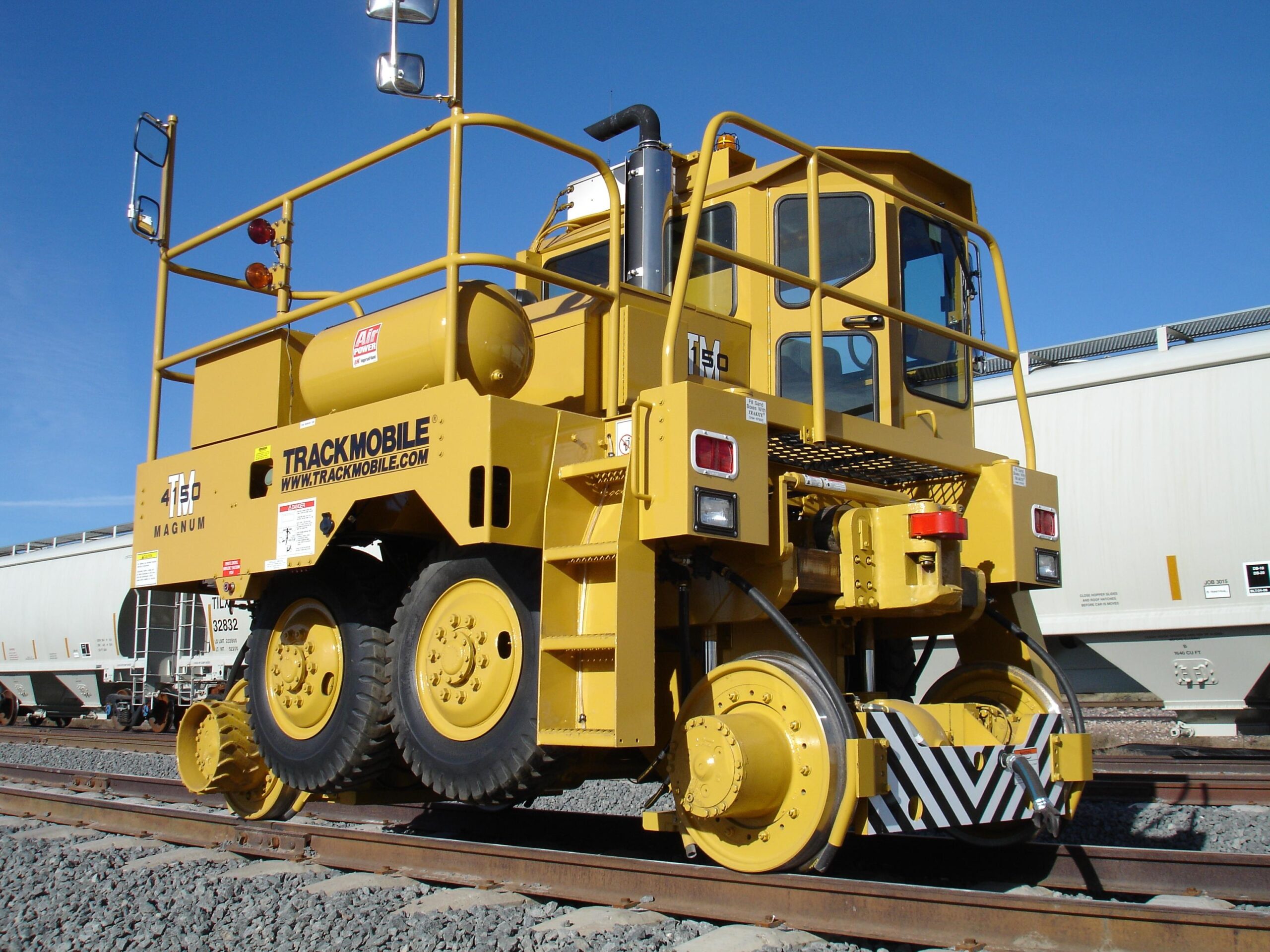
Mobile systems—Trackmobile® railcar movers, Automated Guided Vehicles (AGVs), and modular platforms—require less upfront infrastructure. They can be deployed quickly and reconfigured as pits advance or haul distances change. However, higher energy use and component wear can raise operating expenditures over time.
In practice, most remote operations blend both strategies: fixed routes for high-volume, repetitive transfer; mobile assets for variable or seasonal movements.
Setup Time & Flexibility
In rugged or developing regions, mobility can mean the difference between a project’s successful startup and delay. Deploying a Trackmobile® rail mover or AGV fleet allows production to begin months before fixed conveyors or permanent transfer bays are completed.
Fixed installations, by contrast, require civil foundations, utilities, and commissioning time—but reward operators with long-term stability, precise alignment, and automated control. For mines with fluctuating ore zones or modular camp layouts, the ability to relocate or expand quickly often outweighs the loss in fixed-route efficiency.
Reliability & Parts Support
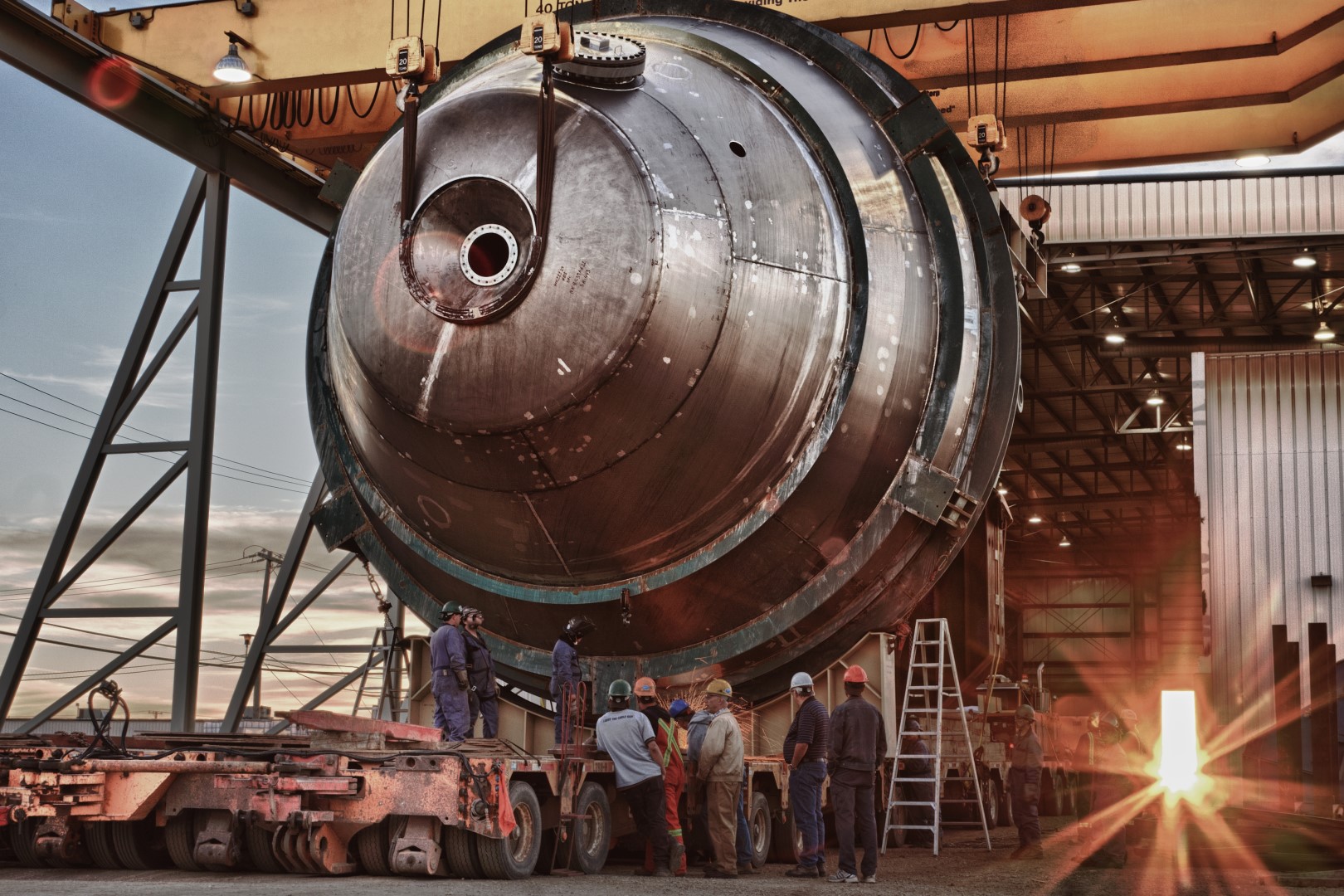
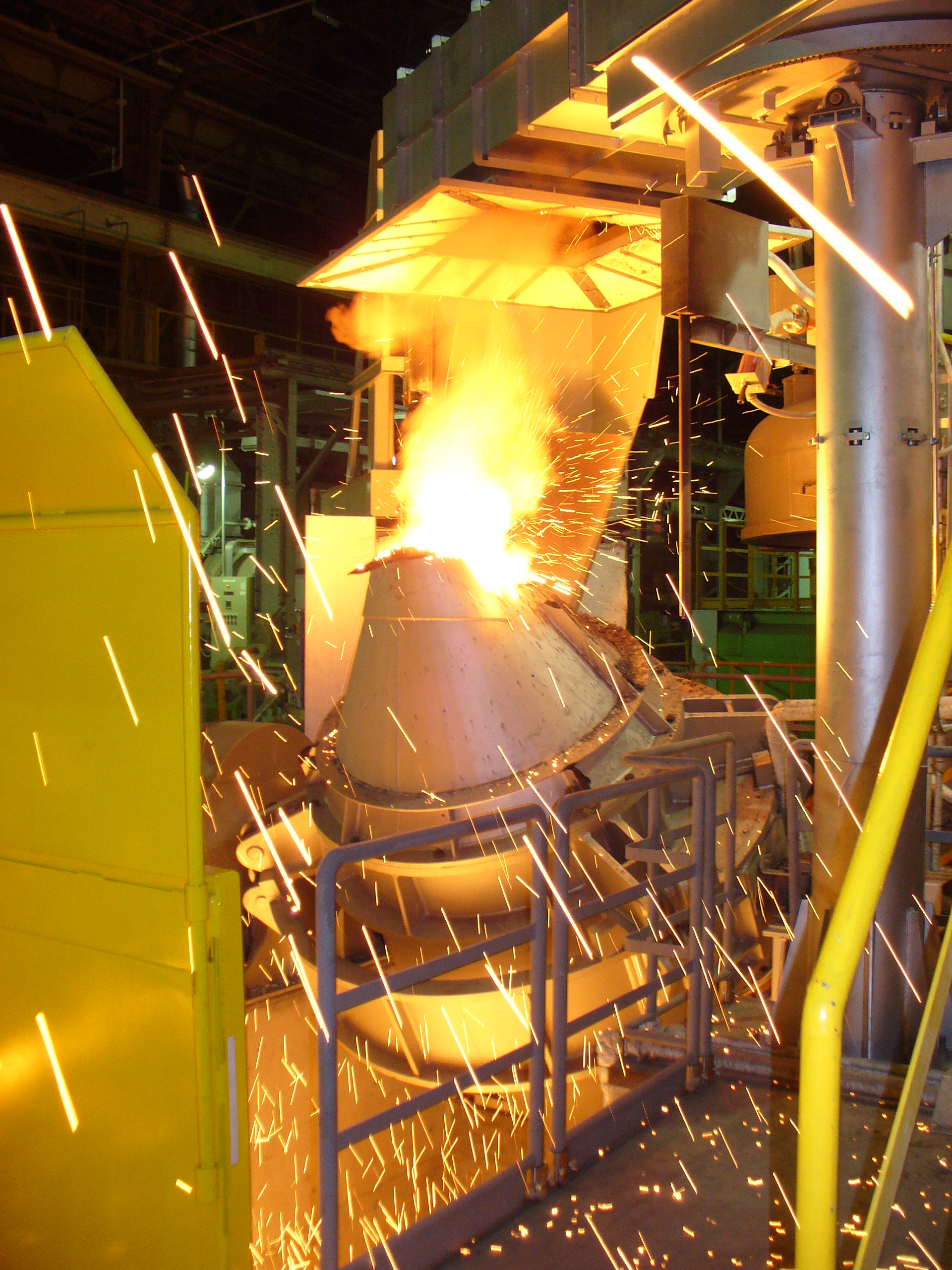
Reliability under extreme conditions is central to Whiting’s equipment philosophy—Built to Perform. Designed to Last. Trusted Worldwide. Fixed transfer systems, such as ladle or slag-pot cars, are engineered for decades of service with heavy structural frames and low-speed drive systems. Components can be overhauled on-site using standard millwright tools and equipment.
Mobile units operating in remote mines face distinct challenges, including tire wear, drive-train dust ingress, and power-system fatigue due to variable terrain. Access to consumables—such as hydraulic hoses, batteries, and filters—can determine whether mobility delivers productivity or downtime. Spares logistics must therefore be built into the project’s capital plan, with critical parts staged at regional depots or shared across multiple sites.
Controls Integration
Whiting’s fixed handling systems are typically integrated into centralized control rooms equipped with PLC / SCADA architectures. Touch-screen HMIs enable operators to monitor transfer speeds, temperature, and positional data remotely.
Mobile units require distributed control: onboard diagnostics for each mover or AGV communicate wirelessly with supervisory software. The challenge lies in ensuring both data continuity and cybersecurity in remote environments, where connectivity can be unstable. Hybrid operations increasingly standardize protocols, allowing fixed and mobile subsystems to share a unified data stream, which improves safety interlocks and enables predictive maintenance analytics.
Selection Guide: When to Go Fixed, Mobile, or Hybrid
| Project Condition | Recommended Strategy | Rationale |
| Stable, long-life ore body | Fixed system (transfer cars, conveyors) | High capacity, low per-ton energy cost |
| Early-stage or satellite pits | Mobile units (Trackmobile®, AGVs) | Rapid deployment, minimal infrastructure |
| Variable product streams or shared rail access | Hybrid | Combines fixed-route reliability with mobile flexibility |
| High-altitude or Arctic operations | Semi-fixed / modular | Reduces concrete work and allows seasonal relocation |
The hybrid model often emerges as the optimal compromise, combining fixed rail-bound transfer cars for handling heavy loads with mobile AGVs or movers that handle lower-volume logistics.
When Hybrids Win
Whiting’s ability to modernize or “hybridize” legacy systems has proven valuable in metallurgical and mineral-processing environments. Older stationary transfer systems can be refitted with powered bogies, hydraulic assists, or semi-mobile tracks to expand reach without full reconstruction.
Spares & Logistics for Remote Sites
Parts management is often underestimated during feasibility planning. In remote mines, delivery lead times can exceed eight weeks, making local stocking essential. Fixed systems typically require fewer unique components but larger fabricated spares (e.g., wheel assemblies, bearings). Mobile units depend on consumables that wear faster but are lighter to ship.
A mixed strategy—standardizing hydraulic, control, and electrical components across both fixed and mobile platforms—simplifies inventory and training. Whiting’s service network supports both categories, providing remote diagnostics and rebuild capability through its subsidiaries and partners.
Conclusion
The debate over mobile vs fixed material handling isn’t about choosing one technology over another—it’s about matching equipment architecture to the realities of geography, ore movement, and capital discipline.
Whiting Equipment Canada, through its network of engineering and automation experts, offers solutions that span the full spectrum—from heavy, rail-bound transfer cars to Trackmobile® rail movers and AGV fleets. For remote operations that must balance upfront investment against long-term efficiency, these systems deliver a continuum of options built on a single principle: performance that thrives in the world’s most challenging environments.
To explore material-handling solutions for remote or high-capacity mining operations, contact Whiting Equipment Canada’s engineering team. Our specialists can model lifecycle costs, spares strategies, and control integration options to help you determine the ideal mix of mobile and fixed assets for your site.