

The Strategic Framework of Modern Railway Maintenance
A railcar leaving the shop in questionable condition is a liability traveling at speed. That reality shapes every decision made about the machinery used to keep rolling stock and track in service.
Railway maintenance equipment is the specialized machinery used to inspect, repair, and restore three distinct assets: track and right-of-way infrastructure, rolling stock and its components, and the shop facilities where that work happens. Any useful railway maintenance equipment overview starts by separating those categories, because the tooling, skill sets, and failure consequences differ sharply across them.
The older operating model was reactive: run the asset until something breaks, then mobilize a crew. That approach is giving way to predictive frameworks built on sensor data, wear modeling, and scheduled shop capacity. The shift matters because downtime, not repair labour, drives the largest share of cost. A railcar out of service earns nothing, occupies a track, and displaces other scheduled work. Equipment that shortens the repair cycle protects revenue as directly as it protects safety.
Critical Equipment for Rolling Stock and Wheel Maintenance
Railcar wheel truing equipment, typically an underfloor lathe, restores a worn or flanged wheel profile while the wheelset stays mounted in the truck. Avoiding a full dismantle saves hours per axle and removes several chances for reassembly error. The machine cuts the tread and flange back to a specified profile, correcting flat spots, hollow wear, and out-of-round conditions that generate noise, vibration, and accelerated rail damage.
Moving equipment between work positions is its own discipline. Car movers – or transfer tables let a small crew reposition cars and locomotives inside a facility without tying up a road locomotive or a switch crew.
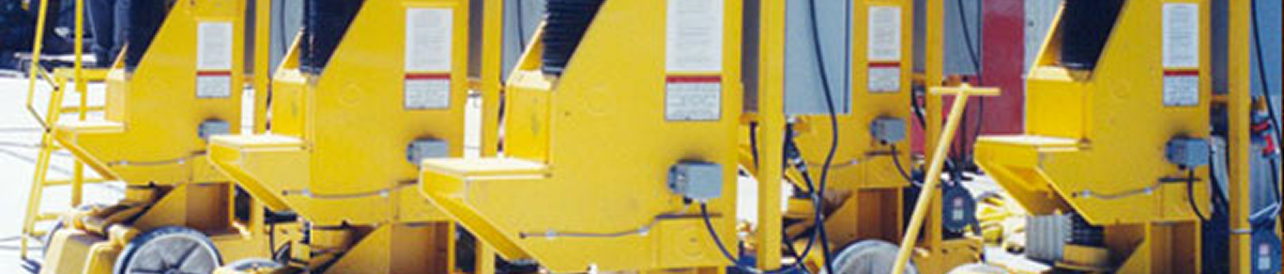
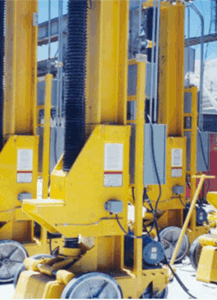
Lifting is the third pillar. Heavy duty railcar lifting systems raise a full car or locomotive in a synchronized set so trucks can be rolled out, and component hoists handle couplers, draft gear, and traction assemblies. Whiting rail transportation division equipment spans these functions as an integrated shop package rather than isolated tools.
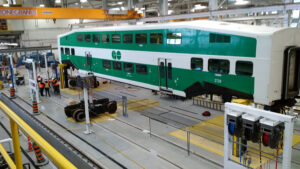
Essential Infrastructure: Inspection Pits and Shop Floor Solutions
Sound railway inspection pit design gives technicians safe, lit, standing-height access to brake rigging, bearings, and underframe components without jacking the vehicle. Drainage, ventilation, egress spacing, and utility routing determine whether a pit is usable or merely present.
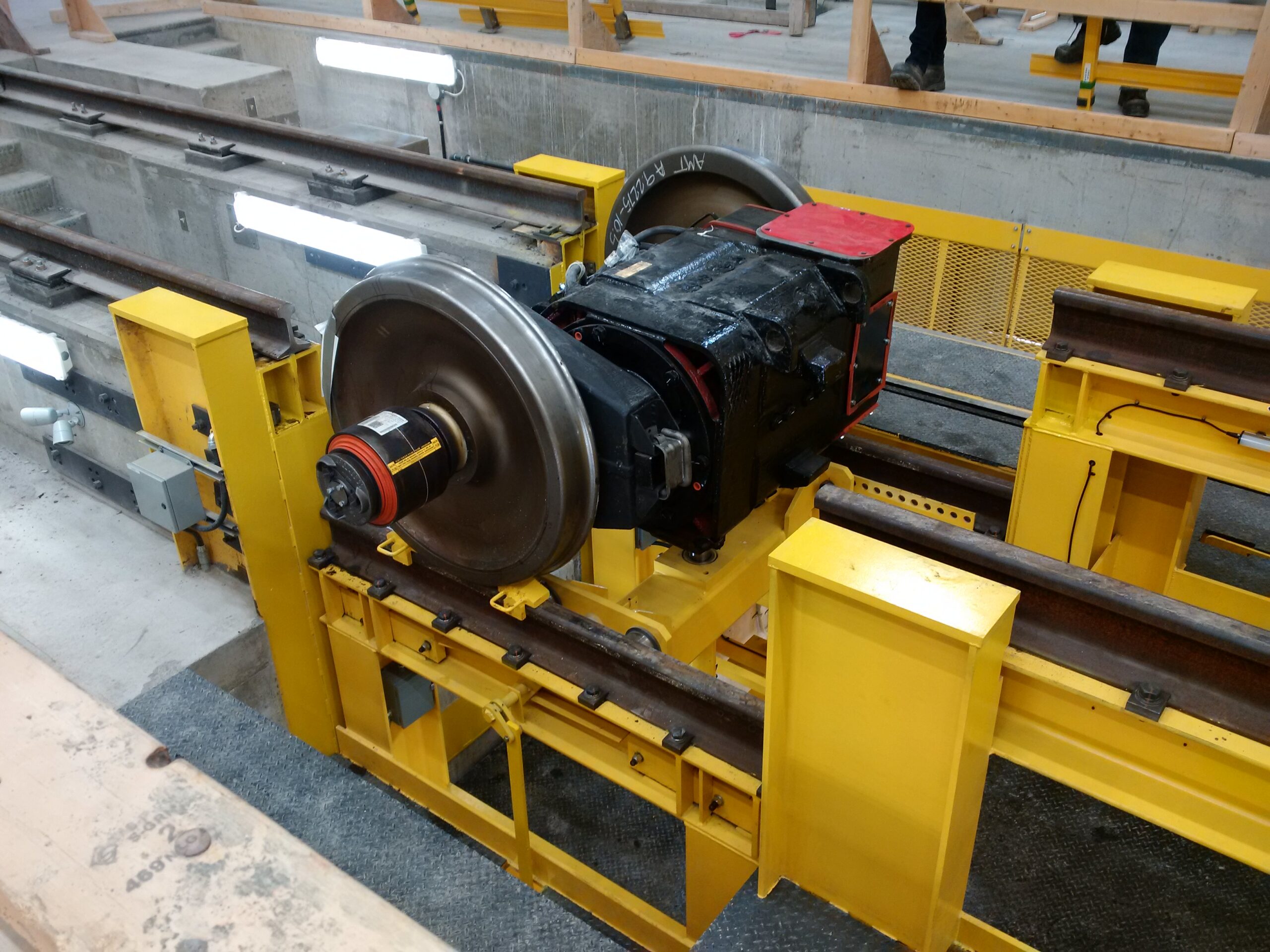
Around the pit sit drop tables for removing wheelsets through the floor, turntables, and traction motor handling equipment for the heaviest powered components. High-speed transit units demand frequent, fast interventions; heavy-haul freight cars demand fewer but far more structural repairs.
Contrarian View: Why Over-Maintenance Can Be as Risky as Neglect
The industry treats maintenance frequency as a proxy for safety. It isn’t one. Every tear-down reopens a joint, re-torques a fastener, and reintroduces the possibility of a mis-assembly that the previous configuration had already survived thousands of miles. Disassembling a healthy component to inspect it can leave it in worse condition than if it had been left alone.
Newly installed parts also carry their own risk curve. Manufacturing defects, seating issues, and installation errors surface early, which is why a fresh component sometimes fails sooner than the aged one it replaced. Swapping serviceable hardware based on a calendar trigger resets that clock unnecessarily.
Condition-based monitoring offers a better answer: intervene when wear data, vibration signatures, or thermal readings indicate degradation. The trade-offs extend beyond labour hours. Premature replacement consumes material, generates scrap, and ties up shop capacity that a genuinely degraded asset needs. Discipline means knowing when not to open the car.
What are the Different Types of Equipment Used for Railroad Maintenance?
Track-side equipment divides by function. Track geometry cars measure alignment, gauge, and cross-level under load. Ballast tampers restore track support and surface. Rail grinders reprofile the railhead to control fatigue cracking and contact stress.
Hi-rail vehicles give crews flexible access to remote segments by driving on road then setting down on rail. Increasingly, inspection itself is automated — LiDAR scanning, ultrasonic rail flaw detection, and machine-vision systems that flag defects for human review.
Industry Examples: Transit vs. Freight Maintenance Applications
Urban transit wears equipment through repetition. Subway, Monorail, and light rail vehicles accumulate thousands of braking and acceleration cycles daily on tight-radius curves, producing rapid flange wear and wheel surface defects that passengers feel as noise and vibration. Freight operations wear equipment through load. High axle loads over long distances drive bearing fatigue, structural stress at bolsters and draft systems, and tread damage from extended braking.
Those differences scale the hardware. A light rail depot may rely on portable electric rail jacks, which a two-person crew can position quickly between vehicles, while a facility handling loaded coal hoppers needs fixed, high-capacity jacking rated for far heavier gross weights. Similarly, mobile railcar movers for freight shops are built for tractive effort against long cuts of heavy cars; transit versions prioritize precise positioning in confined bays.
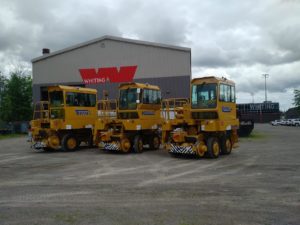
Above the railcar work requires rail gantries to straddle the car on service tracks and allow technicians access to the car roof for AC and HVAC MRO and installation processes. Other rail gantries include Nose Cone gantries which allow for easy access to the locomotives nose for MRO and cleaning.
Railway wheel truing lathe applications split along the same line including transit shops true wheels to protect ride quality and noise limits, freight shops to extend wheel life and prevent rail damage. Sourcing railcar maintenance equipment for freight and transit means matching capacity to duty cycle, not buying a single specification for both.
Limitations and Safety Considerations for Maintenance Operations
No shop configuration eliminates the underlying hazards. Energized catenary and third-rail systems require verified isolation and grounding before overhead work begins. Suspended loads, stored hydraulic energy, and pinch points around lifting gear account for a meaningful share of shop injuries, and railway depot lifting equipment demands synchronized controls, load monitoring, and enforced exclusion zones under raised vehicles.
Automated inspection has limits worth stating plainly. Sensor systems excel at detecting conditions they were trained or calibrated to find, and they generate false positives and false negatives at the margins. A technician’s judgment is still what distinguishes a cosmetic surface mark from a crack initiation site, and final validation before release to service remains a human decision.
Facility strategy involves genuine trade-offs. Mobile maintenance units reduce deadhead moves and return equipment to service faster, but can’t match the precision work a centralized shop performs. Centralized facilities deliver capability at the cost of transit time. Federal rail safety regulations also constrain which inspections may be deferred, who may sign off, and how equipment must be certified.
Common Failure Modes in Maintenance Equipment
Hydraulic leaks and sensor calibration drift cause most unplanned shop stoppages. A slow leak degrades lift synchronization before anyone notices; drifting sensors produce measurements that look valid and aren’t.
Temperature swings compound both. Heat expansion and cold contraction shift tolerances on precision tooling and alter hydraulic fluid behavior.
A daily pre-shift check should verify fluid levels and visible leakage, control and emergency-stop function, load rating placards and inspection tags, calibration dates on measuring equipment, and cable, hose, and lifting-point condition. Also check with your Rail OEM for guidelines and planned service.
The Bottom Line: Key Takeaways for 2026
Maintenance programs are moving from fixed intervals toward evidence, but Planned Maintenance is an important part of the process. The shops positioned best are those collecting component health data and acting on it.
Condition data should drive intervention. Calendar-based replacement of healthy components consumes budget, occupies shop capacity, and reintroduces early-life failure risk without a corresponding safety gain.
Wheel and lifting capability remain foundational. Truing restores the single most safety-critical interface on the vehicle, and synchronized lifting determines how quickly trucks and heavy components can be exchanged.
Automation amplifies expertise rather than replacing it. Scanning and ultrasonic systems widen inspection coverage; experienced technicians still make the release-to-service call.
Specify equipment to duty cycle. Transit and freight impose different wear mechanisms, and capacity ratings should reflect the heaviest realistic load, not the average one.
Facility layout is a performance variable. Pit access, drop table placement, and vehicle movement paths influence turnaround time as much as the tooling itself.
Safety and throughput are not competing objectives here. Equipment that shortens a repair cycle while improving measurement accuracy serves both at once.
When you’re looking to replace or include advanced rail material handling equipment look not further than Whiting Equipment Canada and its partners like Handling Specialty manufacturing Ltd.