

Anti‑Scaling Playbook for Brine Crystallization Systems
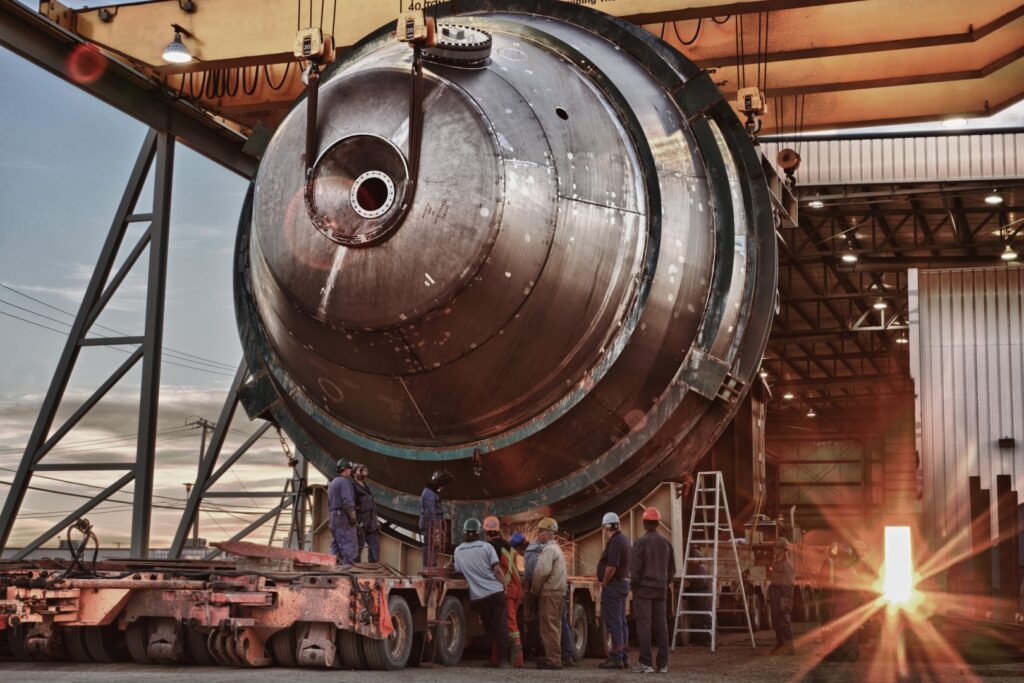
Scaling is the silent enemy of every high-salinity lithium refinery. When mineral deposits form on heat-transfer surfaces, pipe walls, or crystallizer internals, they can choke throughput, distort crystal growth, and drive up maintenance costs. In systems processing lithium brines — already rich in calcium, magnesium, and sulfate ions — scaling prevention cannot be an afterthought; […]
Crystal Size Distribution (CSD): Agitation & Supersaturation Control
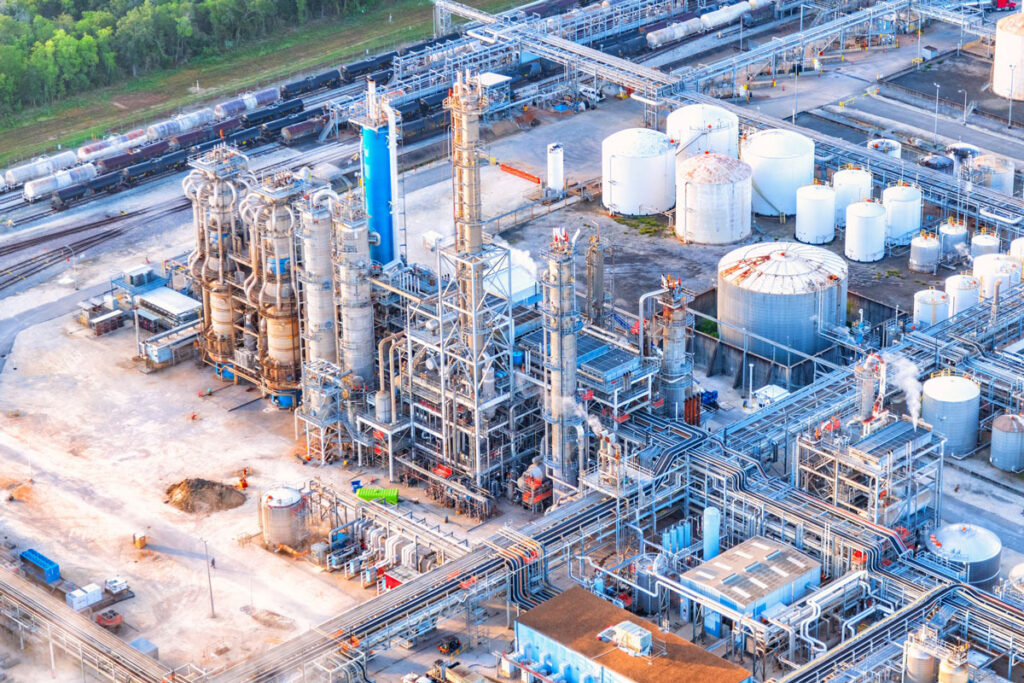
How to Control Crystal Size Distribution In lithium refining and other specialty chemical processes, the ability to control crystal size distribution (CSD) defines both the quality of the product and the efficiency of downstream operations. Uniform, predictable crystals improve filtration, washing, and drying — directly influencing yield, purity, and product handling. Within Whiting Equipment Canada’s […]
ZLD with Evaporation + Crystallization: A Practical Integration Guide
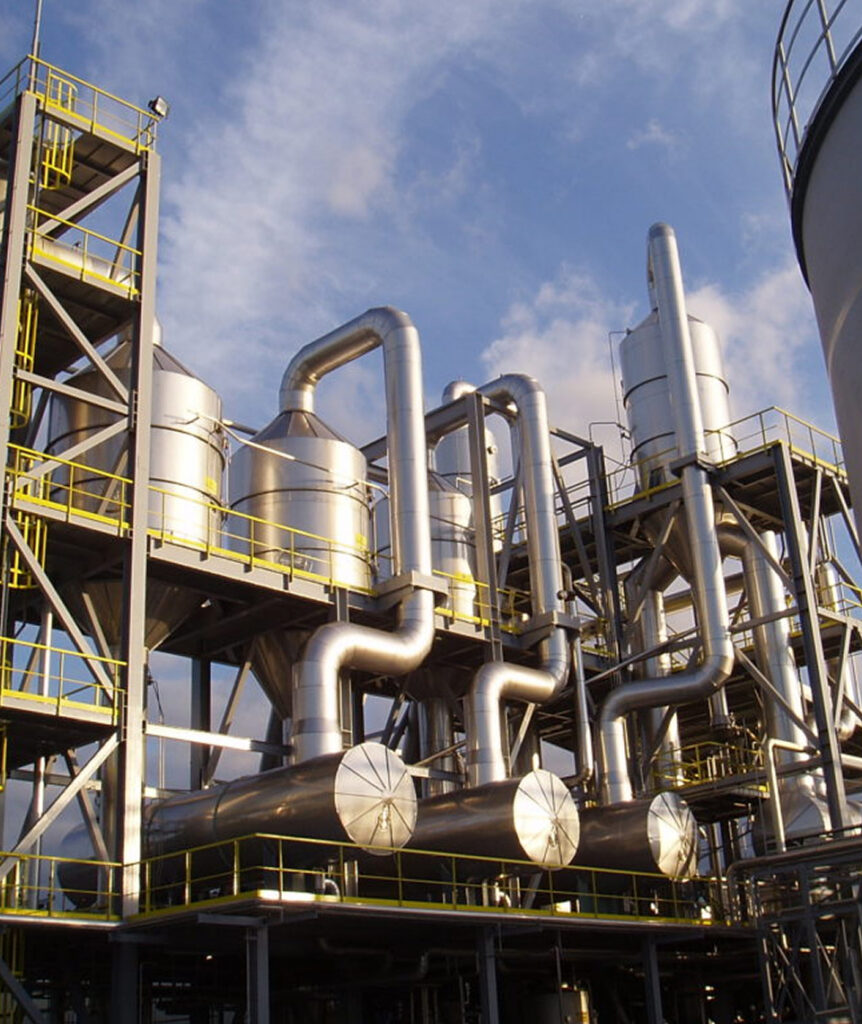
Integrating Evaporation & Crystallization for ZLD Zero Liquid Discharge (ZLD) represents the highest standard of water stewardship in process industries — capturing, concentrating, and ultimately recovering every drop of wastewater. For facilities dealing with brines, battery-metal wastewaters, or other complex chemistries, effective ZLD evaporation crystallization integration transforms what was once a disposal problem into a […]
Mobile vs Fixed Transfer Systems in Remote Mines
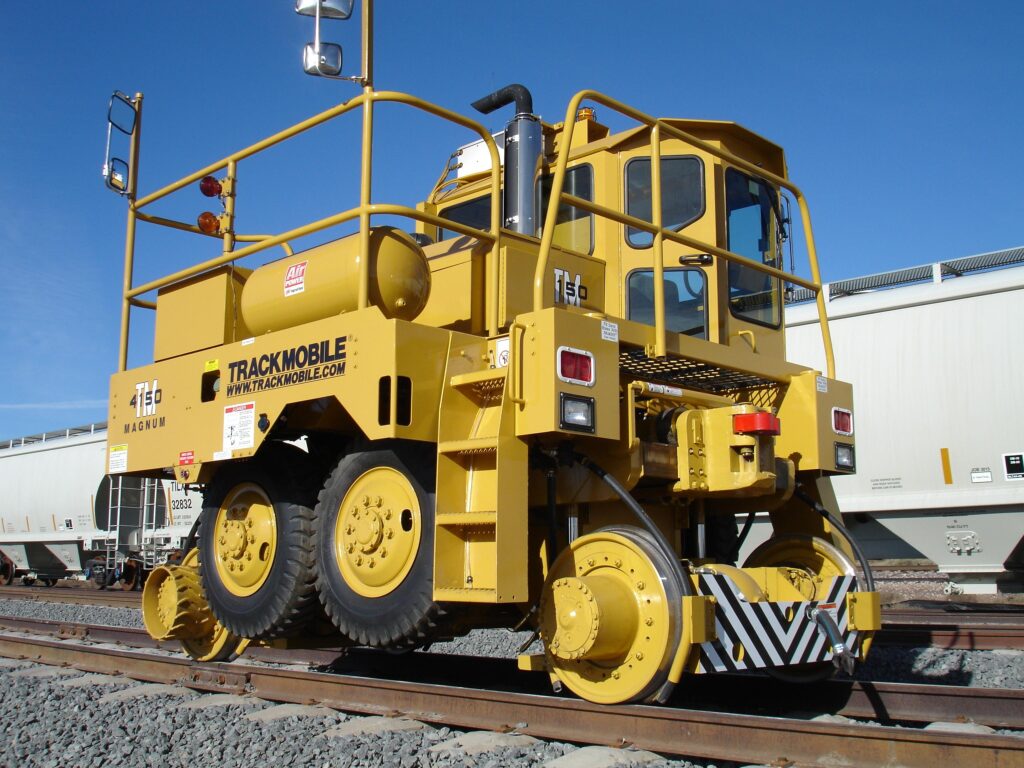
Choosing the Right Material-Handling Architecture In remote mine operations, efficient material movement is the backbone of productivity. Whether hauling ore between crushing stations or transferring concentrates to railheads, every ton moved depends on systems engineered for both durability and adaptability. The question of mobile vs fixed material handling has become a defining decision for modern […]
Corrosion & Abrasion: Materials that Survive Brines & Concentrates
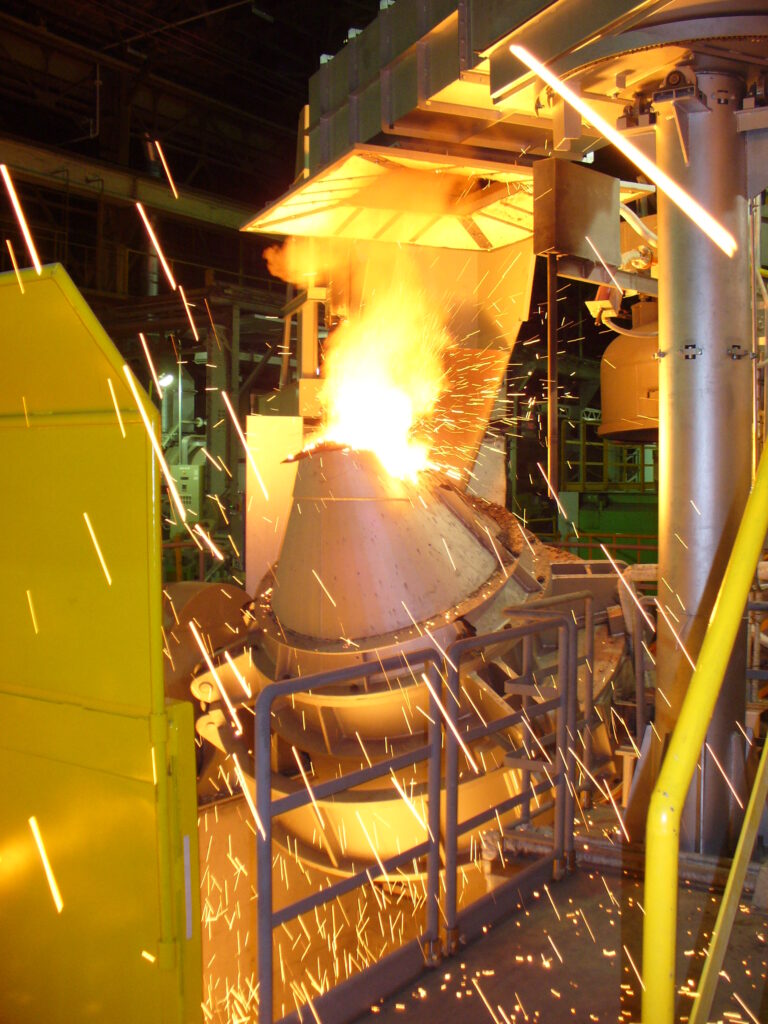
Wear Mechanisms in Harsh Mining Environments In mining and metallurgical operations, corrosion and abrasion are relentless forces that can significantly impact productivity. From brine-rich lithium refining to high-temperature slag handling, every component in contact with slurry, vapor, or molten material is constantly subject to degradation. The challenge of mining corrosion abrasion materials handling lies not […]
Loading/Unloading to Processing Lines: Removing Bottlenecks
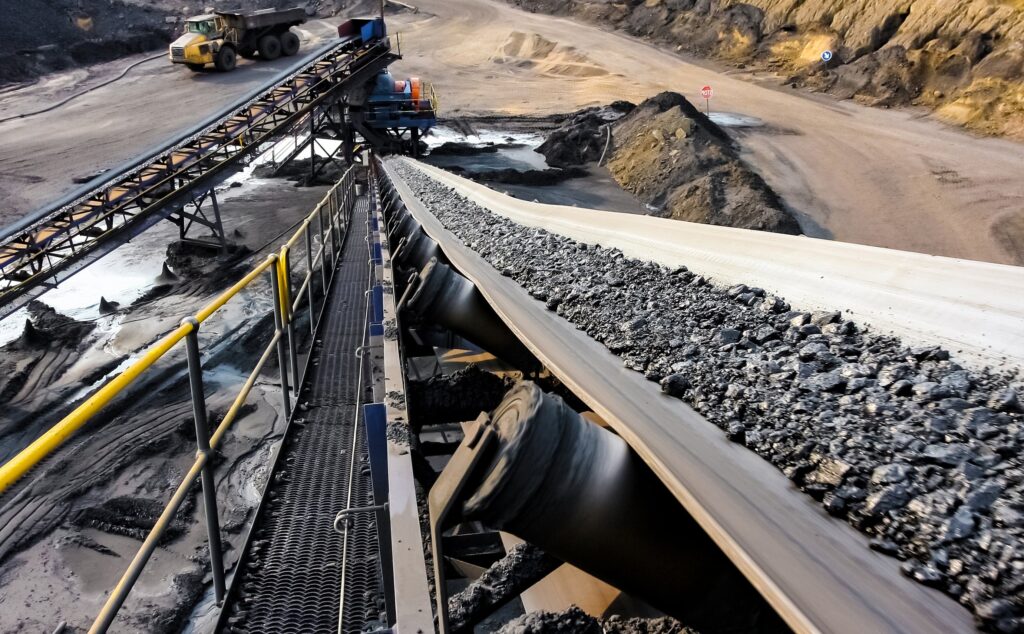
Eliminating Loading/Unloading Bottlenecks Plenty of processes occur before mining materials reach Whiting’s evaporators and crystallizers, and even minor interruptions at loading or unloading points can ripple through the entire value chain. Whether ore is hauled from pit to crusher or concentrate is transferred to processing lines, a few minutes of downtime per cycle can add […]
AOD Refractory Life: Maintenance Tactics That Actually Work
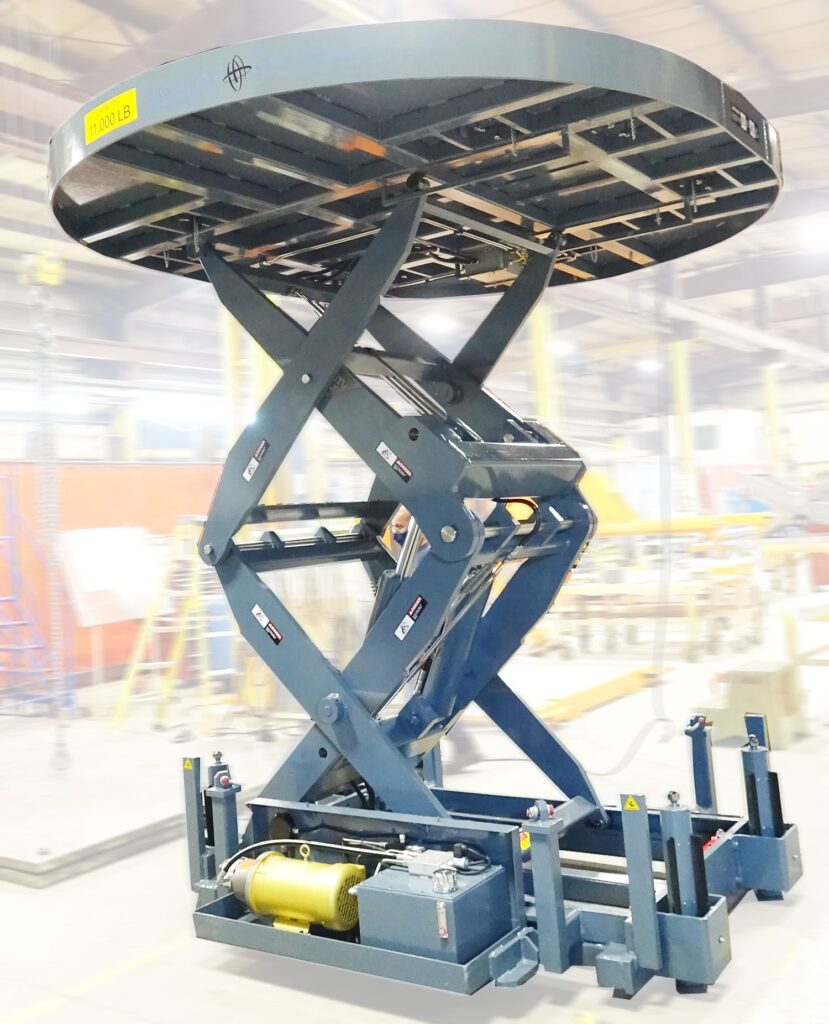
Extending AOD Refractory Life Refractory linings are among the highest recurring operating costs in Argon-Oxygen Decarburization (AOD) refining. A single unplanned failure can halt production, compromise chemistry control, and expose crews to unnecessary safety risks. Effective AOD refractory maintenance blends clever vessel design, temperature management, targeted inspections, and data-driven relining decisions—all aimed at maximizing lining […]
Safety Standards & Interlocks for Mining Handling Systems
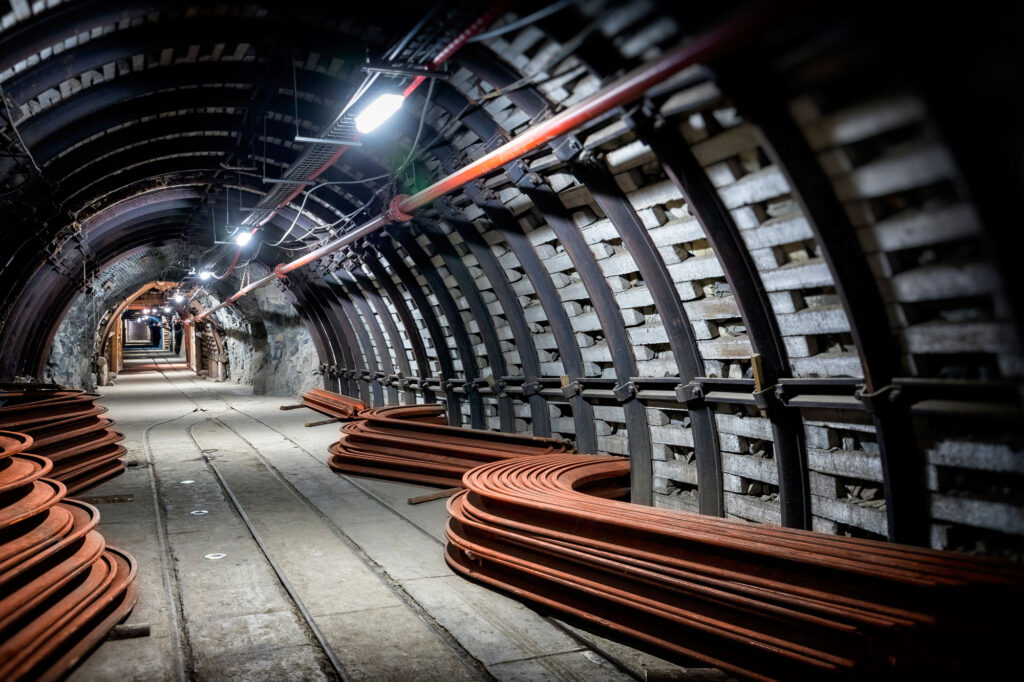
Safety Standards & Interlocks Mining material-handling systems move hundreds of tons of rock, ore, and concentrate every hour, often through noisy, dusty, and unpredictable environments. Every stop, start, and transfer presents a risk when that much weight is in motion. That’s why mining material handling safety interlocks and related systems are no longer optional—they’re foundational […]
Mechanical Vapor Recompression (MVR): When the Numbers Pencil Out

Mechanical Vapor Recompression (MVR) Guide For process engineers and plant decision-makers evaluating energy recovery systems, mechanical vapor recompression (MVR) represents both an opportunity and a financial test. It’s one of the most thermally efficient evaporation methods available—yet also one of the most capital-intensive. The key question is not whether MVR works (it does), but when […]
Charging Buckets vs Charging Cars: Throughput vs Footprint
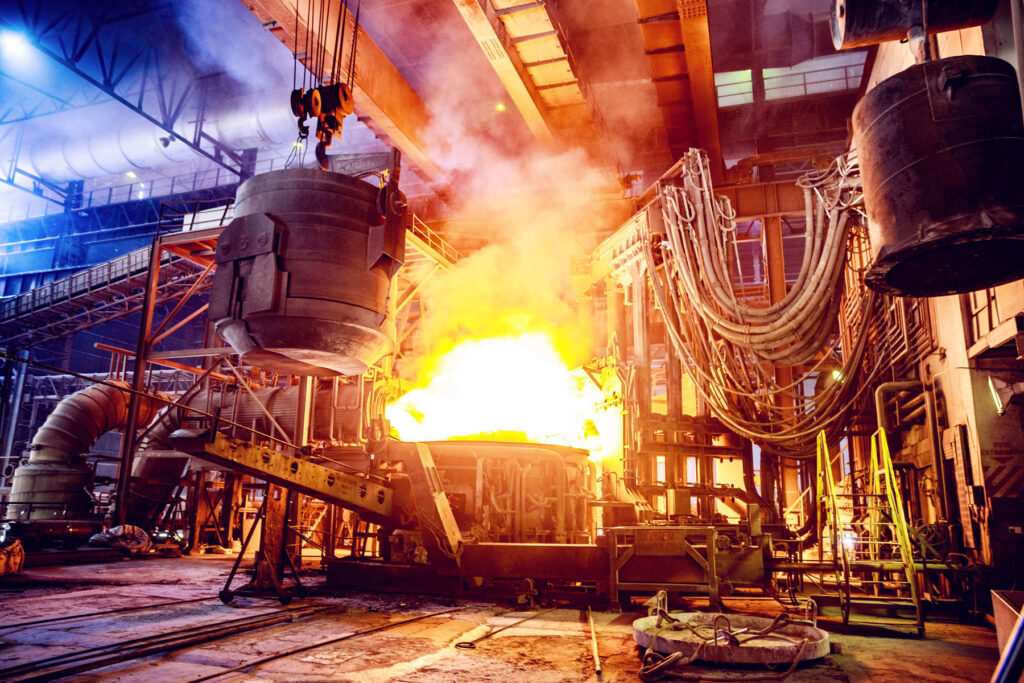
Charging Buckets vs Charging Cars Efficiently feeding an Electric Arc Furnace (EAF) is one of the most direct ways to increase melt-shop throughput. The choice between a charging bucket and a charging car isn’t just about hardware—it impacts crane utilization, floor layout, emissions, automation potential, and cycle time. This guide compares charging bucket vs charging […]