

Industrial Transfer Cars
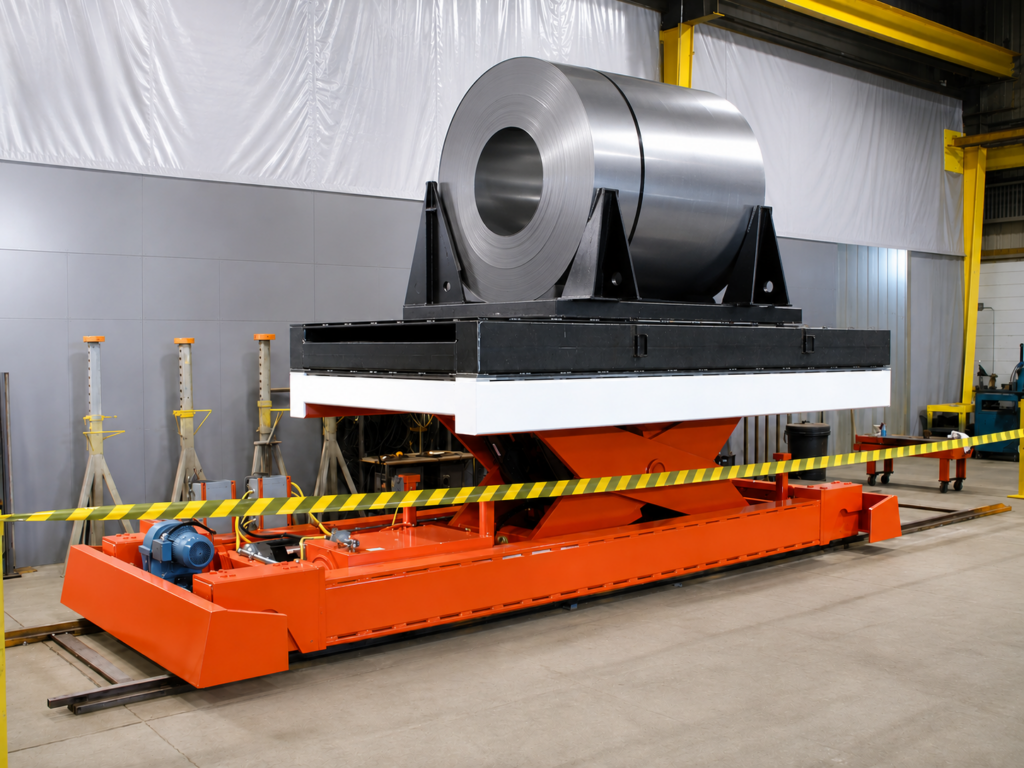
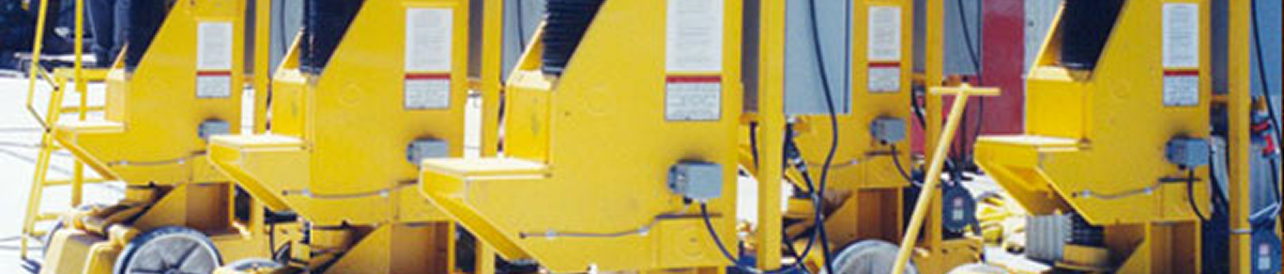
Industrial Transfer Cars: A Comprehensive Guide to Types, Applications, and Whiting’s Custom Solutions Introduction: The Role of Transfer Cars in Modern Manufacturing In the modern landscape of high-output manufacturing, efficiency is determined not by the speed of a single machine, but by the seamless flow of materials across the facility floor. Industrial transfer cars represent […]
Rail Shop Services Guide
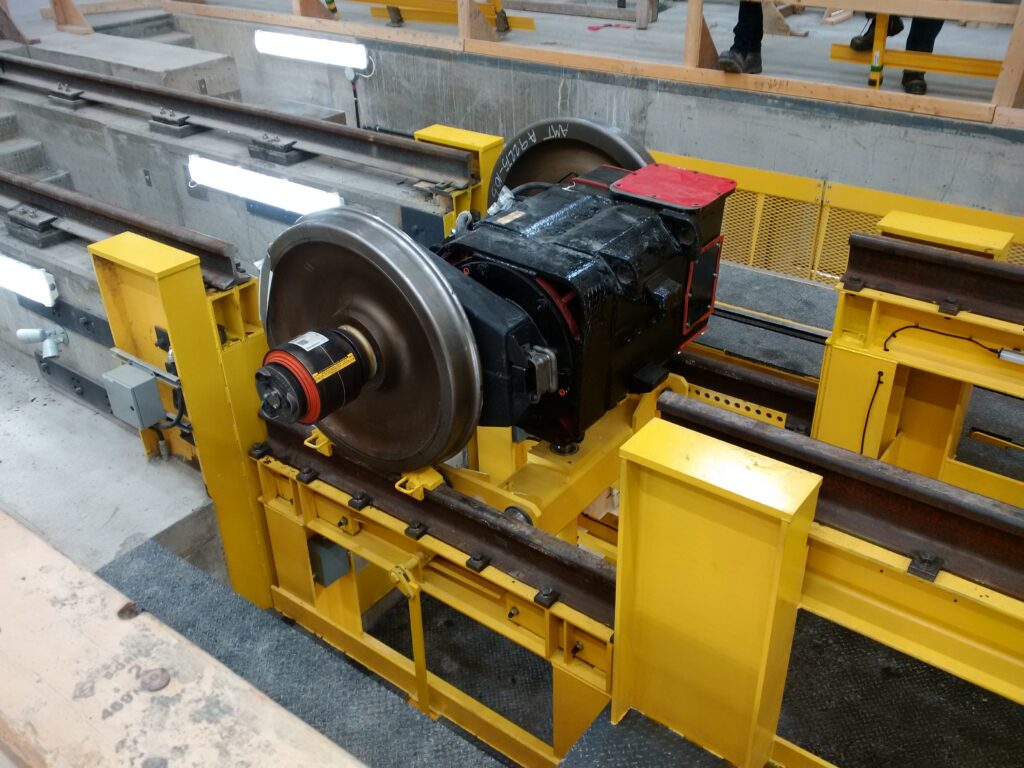
Rail Shop Services Guide: MRO, Railway Equipment, and Whiting Solutions in Canada The Canadian rail industry operates under a unique set of constraints. Between extreme temperature fluctuations that test the limits of metallurgy and a vast, geographically challenging network, the demand for high-performance maintenance, repair, and overhaul (MRO) services has never been higher. For operators, […]
Material Handling Solutions for Steel-Chemical-Rail-Industries

Reliable Material Handling Solutions for the Steel, Chemical & Rail Industries In today’s industrial landscape, the difference between a facility that thrives and one that struggles often comes down to the reliability of its material handling systems. For organizations operating in the steel, chemical, and rail sectors, equipment is not merely an asset—it is the […]
What is Furnace Arc
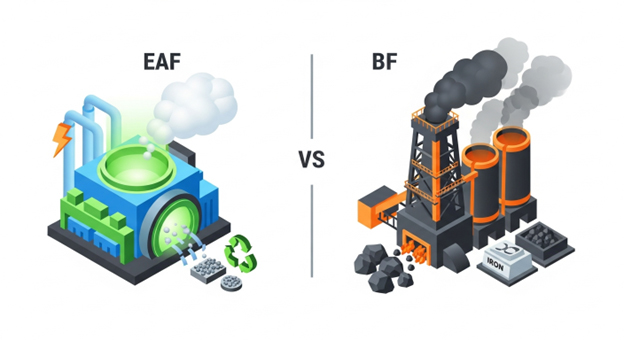
What Is an Electric Arc Furnace? Types, Uses, and Whiting Equipment’s Industry Solutions At the heart of a transformative evolution in the steel industry is the electric arc furnace (EAF). As industries prioritize decarbonization and resource efficiency, the ability to produce high-quality steel using electricity rather than fossil-fuel-reliant processes has become a cornerstone of modern […]
Electric Arc Furnace: -The Complete Guide to Modern EAF Steelmaking
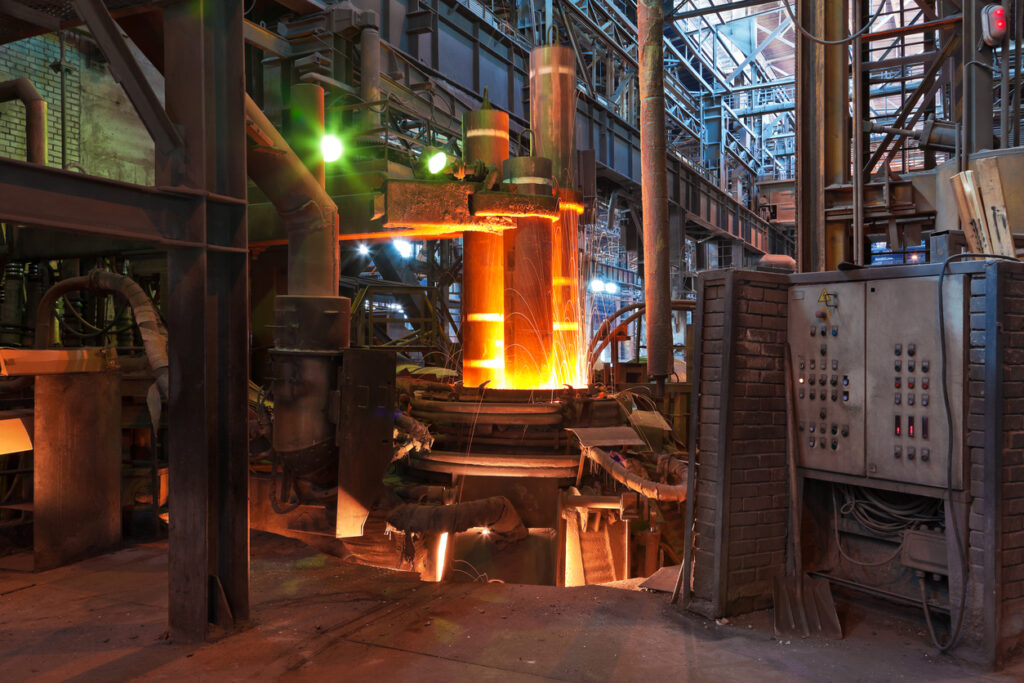
Electric Arc Furnace: The Complete Guide to Modern EAF Steelmaking The global steel industry stands at a pivotal juncture. As the push for industrial decarbonization accelerates, the traditional blast-furnace route; reliant on iron ore and metallurgical coal is increasingly scrutinized for its high carbon intensity. In its place, the electric arc furnace (EAF) has emerged […]
Foundry, Steel & Rail Material Handling: Your Ultimate Industrial Equipment Guide
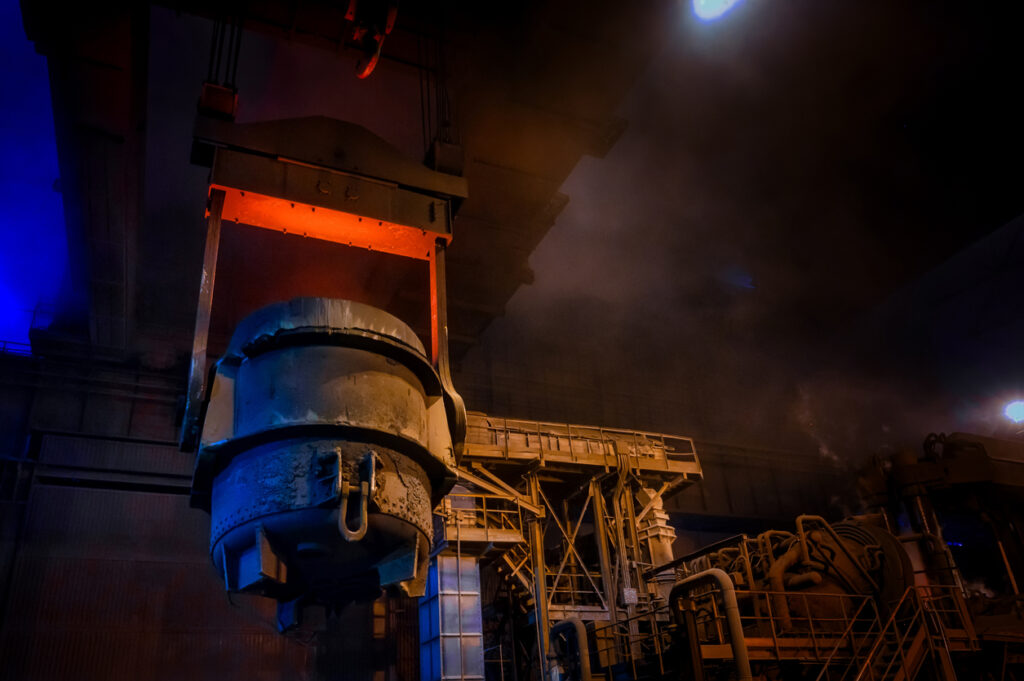
The Pillars of Industry – Foundries, Steel, and Rail The modern industrial landscape is a complex ecosystem, powered by interconnected sectors that form the bedrock of our economy. Among the most vital are foundries, steel production, and the rail industry. Each operates with immense scale, demanding precision, power, and relentless efficiency. At the heart of […]
Mobile vs Fixed Transfer Systems in Remote Mines
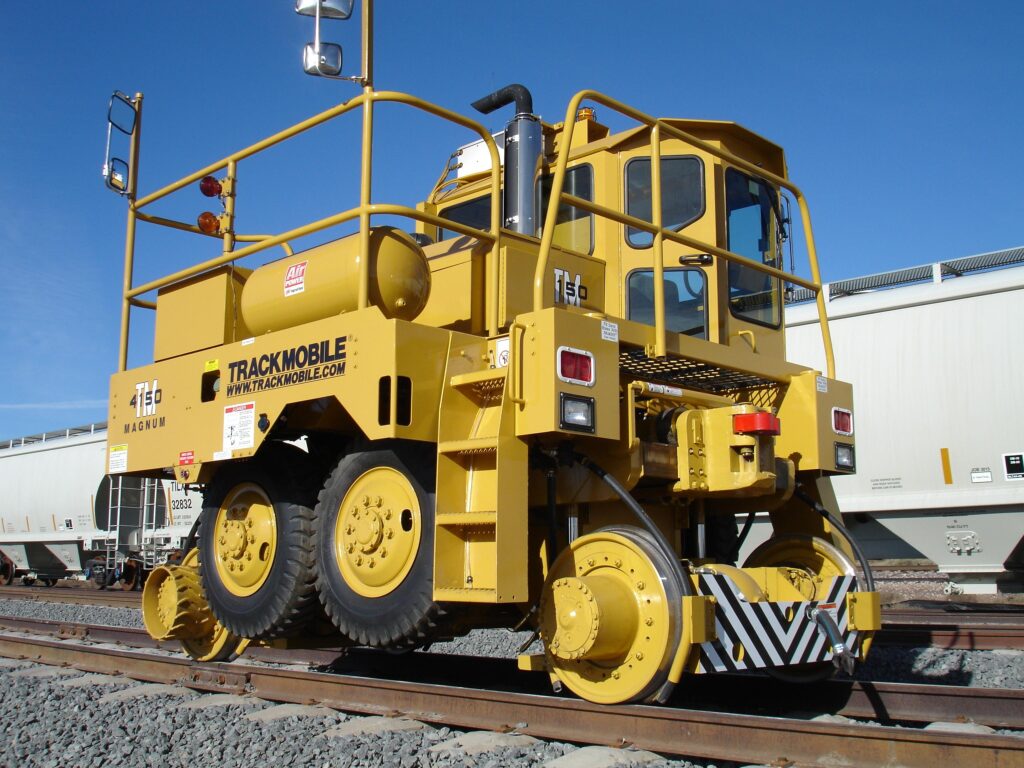
Choosing the Right Material-Handling Architecture In remote mine operations, efficient material movement is the backbone of productivity. Whether hauling ore between crushing stations or transferring concentrates to railheads, every ton moved depends on systems engineered for both durability and adaptability. The question of mobile vs fixed material handling has become a defining decision for modern […]
Corrosion & Abrasion: Materials that Survive Brines & Concentrates
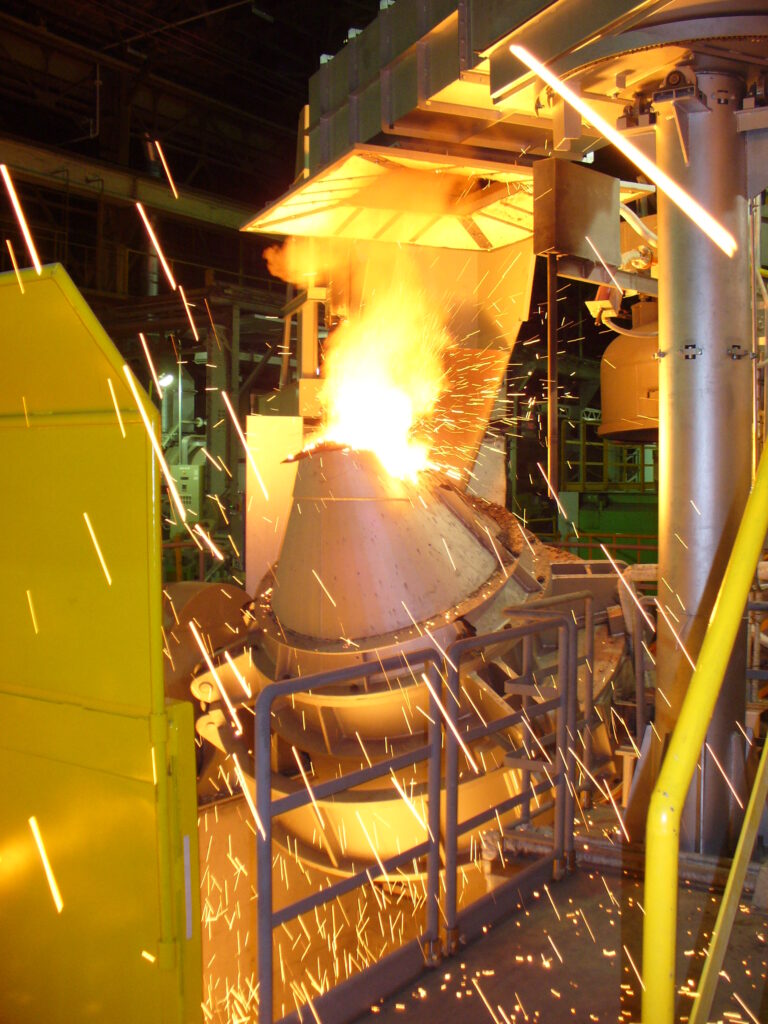
Wear Mechanisms in Harsh Mining Environments In mining and metallurgical operations, corrosion and abrasion are relentless forces that can significantly impact productivity. From brine-rich lithium refining to high-temperature slag handling, every component in contact with slurry, vapor, or molten material is constantly subject to degradation. The challenge of mining corrosion abrasion materials handling lies not […]
Loading/Unloading to Processing Lines: Removing Bottlenecks
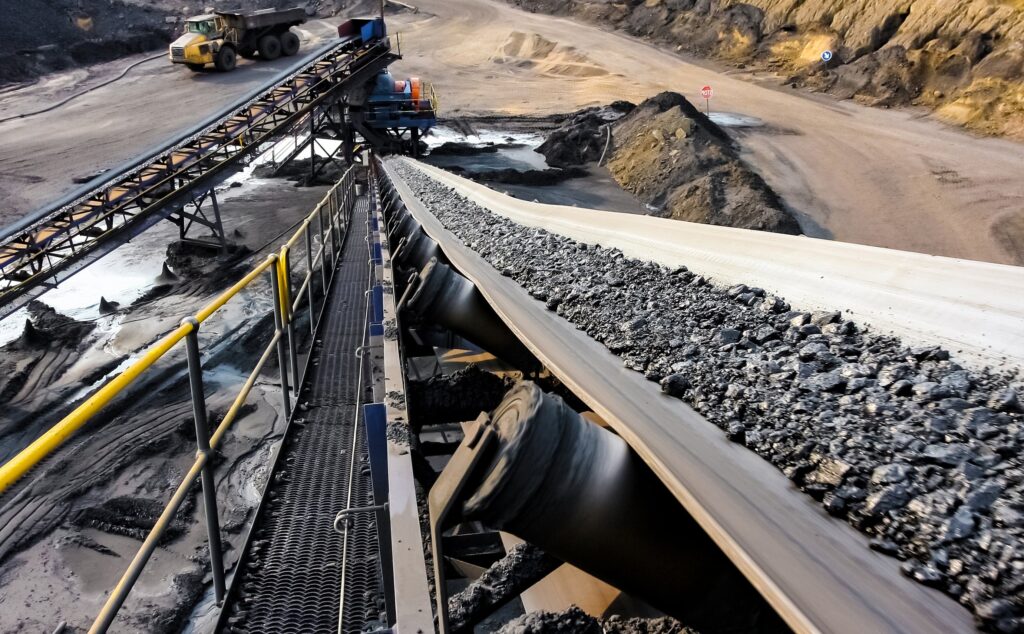
Eliminating Loading/Unloading Bottlenecks Plenty of processes occur before mining materials reach Whiting’s evaporators and crystallizers, and even minor interruptions at loading or unloading points can ripple through the entire value chain. Whether ore is hauled from pit to crusher or concentrate is transferred to processing lines, a few minutes of downtime per cycle can add […]
AOD Refractory Life: Maintenance Tactics That Actually Work
Extending AOD Refractory Life Refractory linings are among the highest recurring operating costs in Argon-Oxygen Decarburization (AOD) refining. A single unplanned failure can halt production, compromise chemistry control, and expose crews to unnecessary safety risks. Effective AOD refractory maintenance blends clever vessel design, temperature management, targeted inspections, and data-driven relining decisions—all aimed at maximizing lining […]