


Fertilizer-Grade Crystals: Meeting Purity & Particle Specs
Crystallization for Fertilizer-Grade Products Producing high-quality fertilizer crystals requires a balance of chemistry, equipment design, and process control. While fertilizer applications often tolerate lower purities than battery-grade materials, global producers are now tightening standards to improve nutrient delivery, product handling, and downstream blending. The key challenge in fertilizer crystallization purity lies in managing the trade-offs […]
AOD vs VOD: Which Refining Route Fits Your Grade Mix?
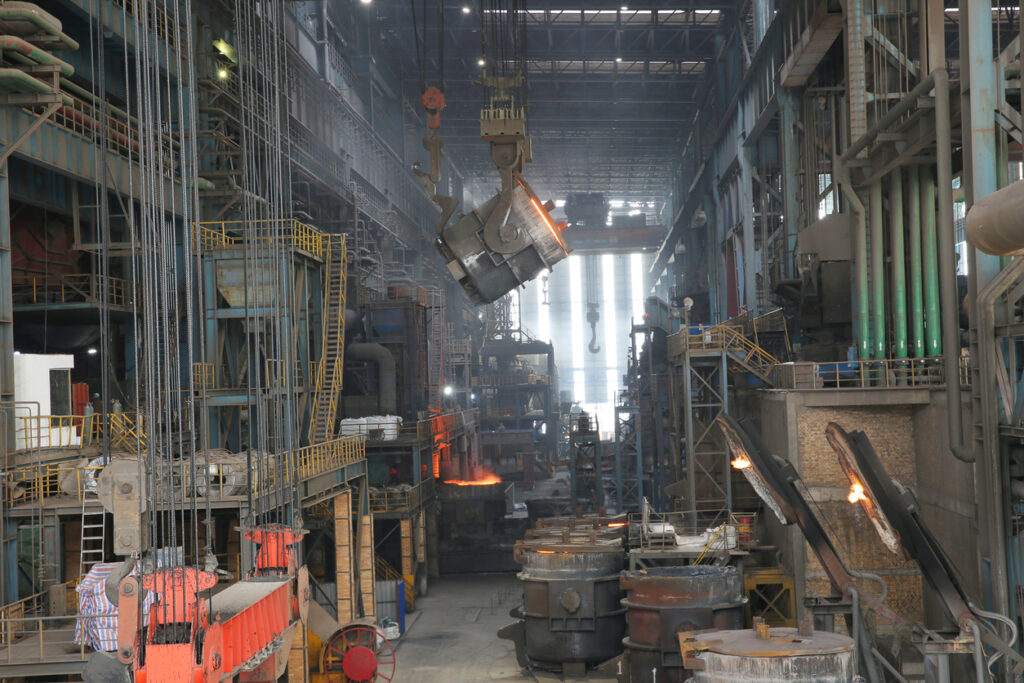
Introduction In stainless steel and specialty alloy production, refining technology not only determines quality but also significantly impacts cost efficiency and competitiveness. Two refining routes dominate today’s market: the AOD converter (argon oxygen decarburization) and VOD (vacuum oxygen decarburization). Both are proven technologies, but they serve different purposes depending on the grade mix, the required […]
Brine Handling & Scaling Control in High Salinity Systems
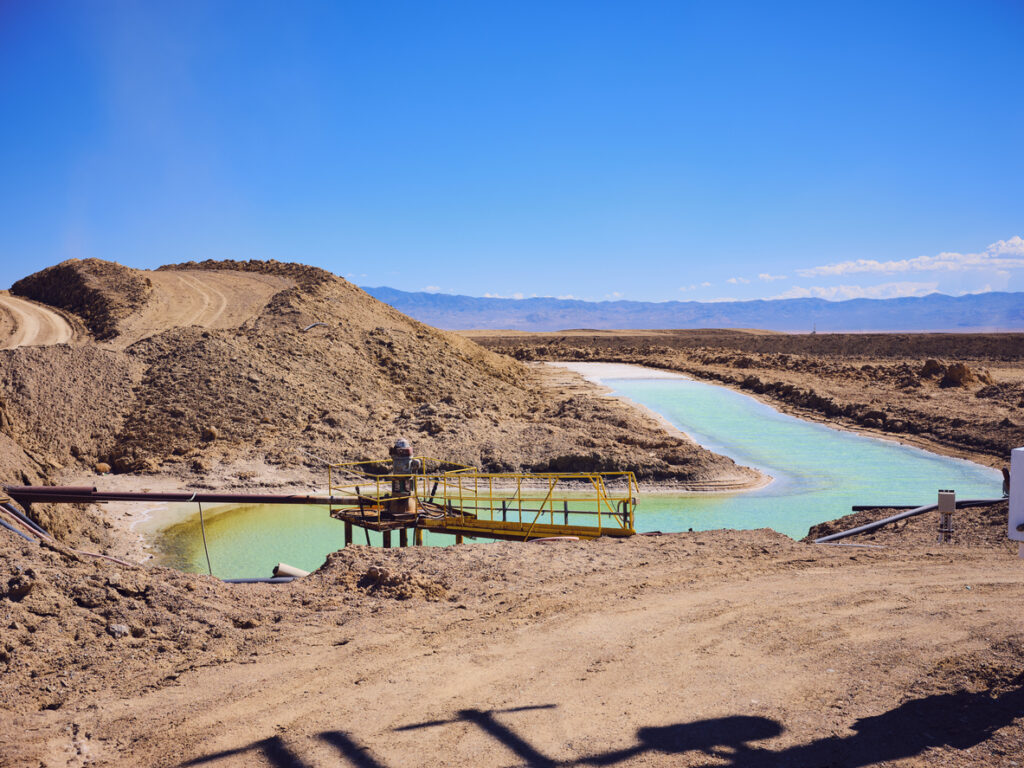
Handling High-Salinity Brines The global rise in lithium demand means brine resources—whether from salt lakes, geothermal reservoirs, or oilfield brines—are under increasing pressure to deliver consistent, battery-grade feedstock. Yet high-salinity systems come with a harsh reality: they bring corrosive conditions, complex impurity profiles, and high scaling risk. For process engineers, this is where good design […]
AC vs DC EAF: Which Configuration Wins in 2025? AC vs DC EAF: Cost, Power Quality & Productivity
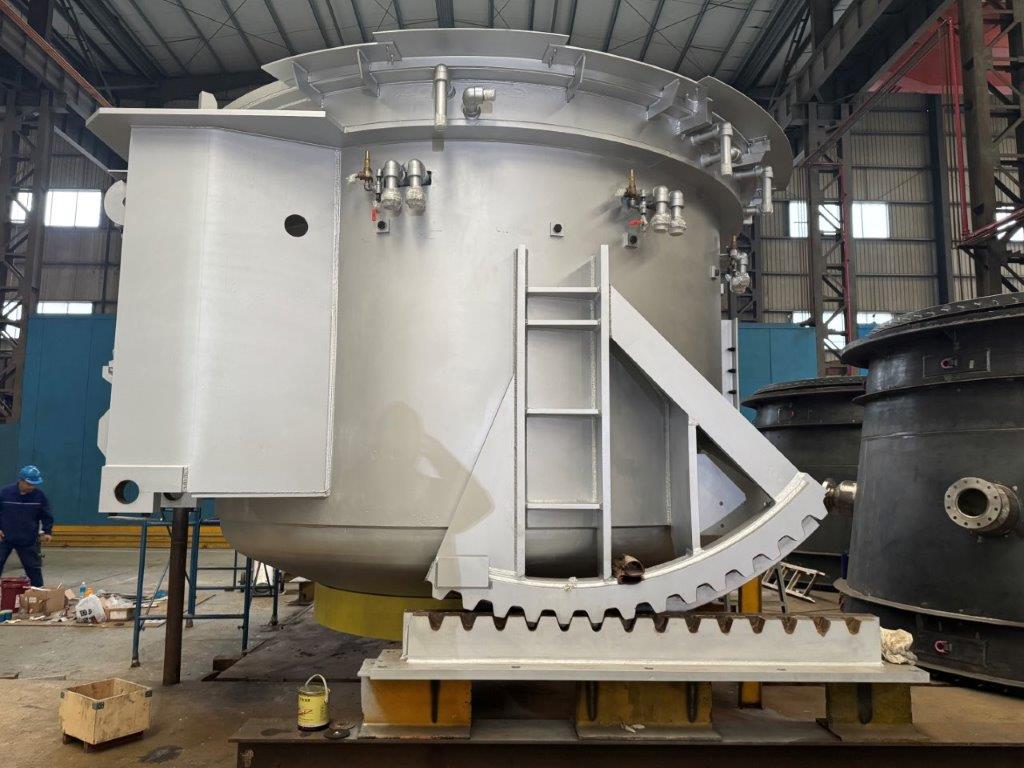
For decades, steelmakers have debated whether AC or DC EAF systems deliver the best return on investment. In 2025, that question is no longer theoretical—it’s a financial and operational decision shaped by power quality regulations, electrode costs, and automation readiness. Both technologies have matured, but their strengths diverge in subtle ways that matter when planning […]
DTB vs Forced Circulation Crystallizer: Which Design Is Best When?
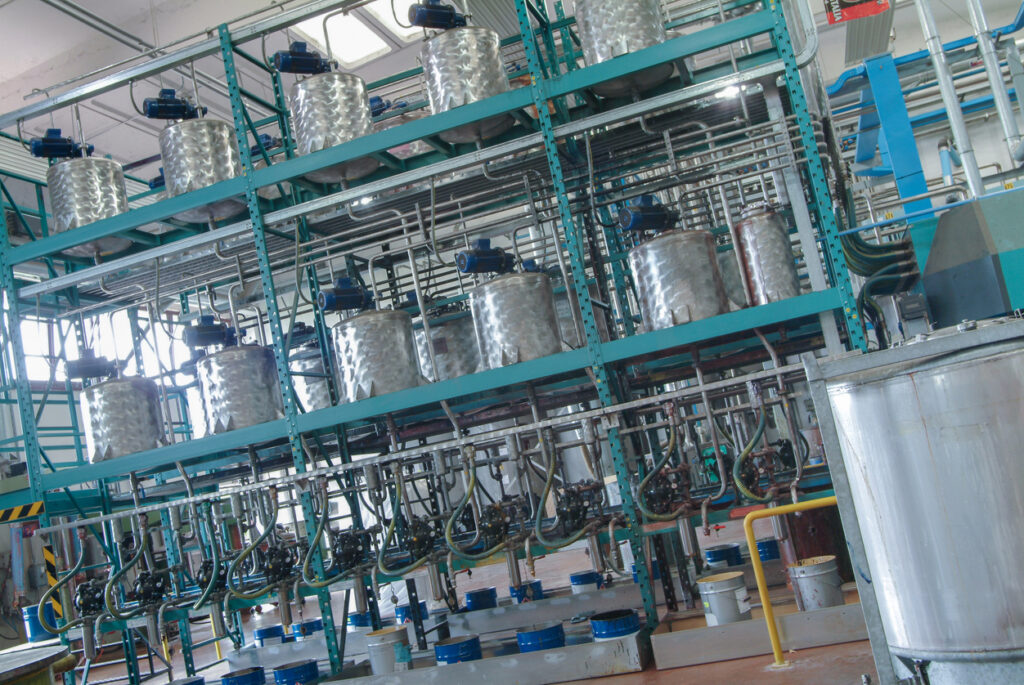
Crystallizer Type Comparison & Selection Choosing the right crystallizer design is never a one-size-fits-all decision. Each type has unique strengths, making it better suited for specific materials, operating conditions, and purity goals. Among the most widely discussed are Forced Circulation (FC) and Draft Tube Baffle (DTB) crystallizers. Forced Circulation (FC) crystallizers are workhorses built for high solids […]
Falling‑Film vs Forced‑Circulation Evaporators: Which for Scaling Brines?
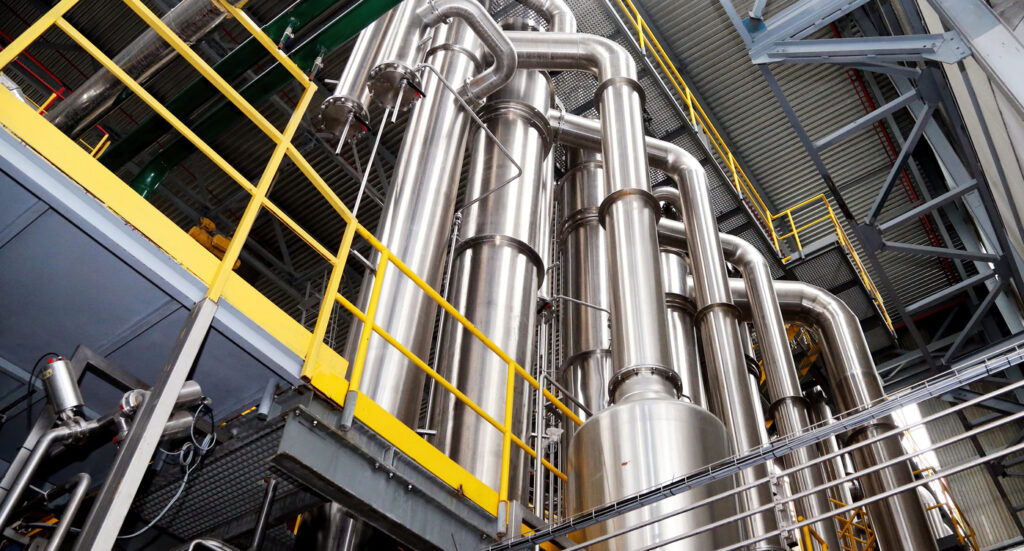
Falling-Film vs Forced-Circulation: Selection Guide Selecting the right industrial evaporator can make the difference between smooth, cost-efficient processing and persistent fouling issues. In industries that deal with scaling brines—particularly those involved in lithium production from high-chloride sources—making the correct choice between falling-film vs forced-circulation evaporators is crucial. Both designs are proven technologies, but each behaves […]
EAF Electrode Regulation: Cut Power-On Time Without Blowing Your Arc
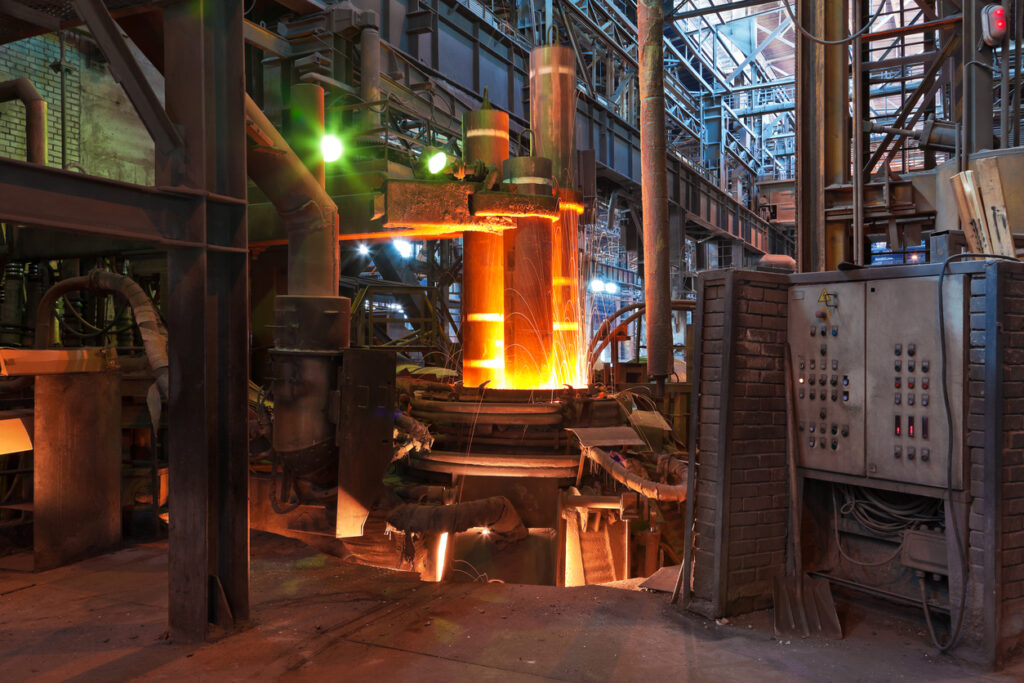
Introduction In any electric arc furnace (EAF), productivity hinges on electrode performance. Operators know that uncontrolled arcs don’t just waste energy—they destroy electrodes, damage refractories, and extend tap-to-tap cycles. The difference between a furnace that consistently meets production targets and one that often lags comes down to one system: EAF electrode regulation. When tuned correctly, […]
Ladle Preheat Stations: Fuel Choices, Emissions & Lining Life
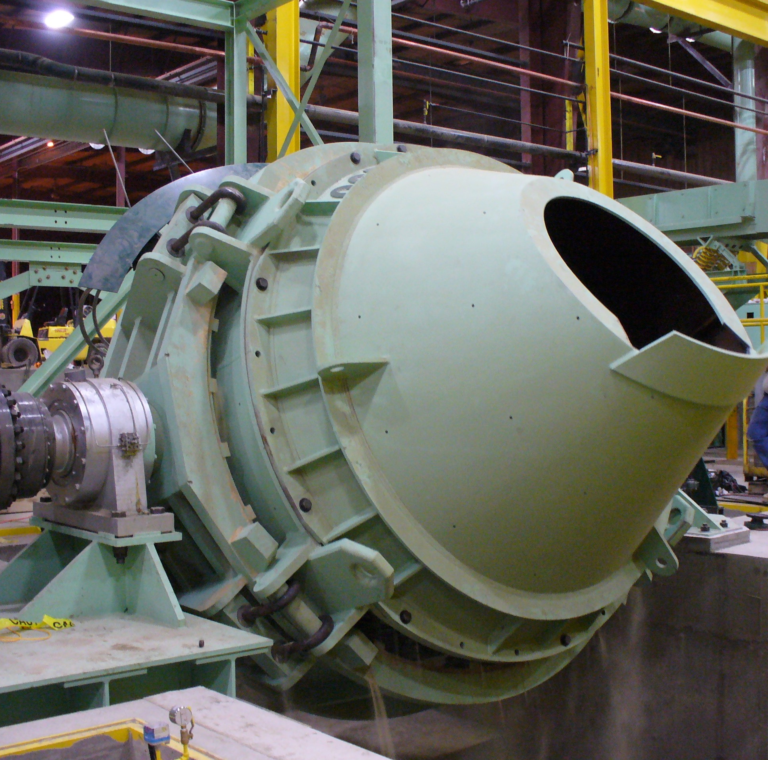
Designing Ladle Preheat Stations Preheating isn’t optional—it’s essential. A ladle preheat station directly influences lining life, tap-to-tap time, casting quality, and safety. Improperly dried or inadequately heated linings cause thermal shock, shortened refractory life, inclusions, steam explosions, and out-of-spec heats. The right system design ensures consistent thermal profiles, fewer relines, and predictable performance across every […]
Designing Lithium Carbonate/Hydroxide Crystallization Trains
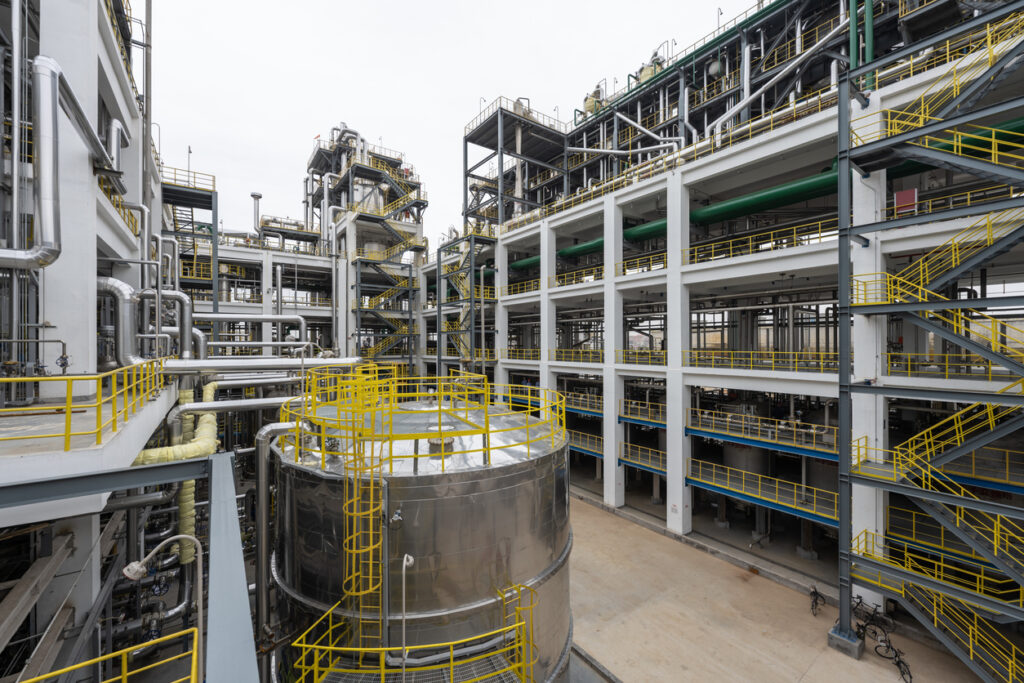
Li₂CO₃/LiH Crystallization Train Design Designing a lithium carbonate crystallization train or a lithium hydroxide crystallization system requires more than just equipment — it requires a comprehensive engineering pathway that begins with modeling and culminates in commercial delivery. Each step is designed to produce consistent, battery-grade lithium products that meet the stringent standards of the EV […]
Scrap & DRI Charging: Buckets vs Continuous Throughput Trade-offs
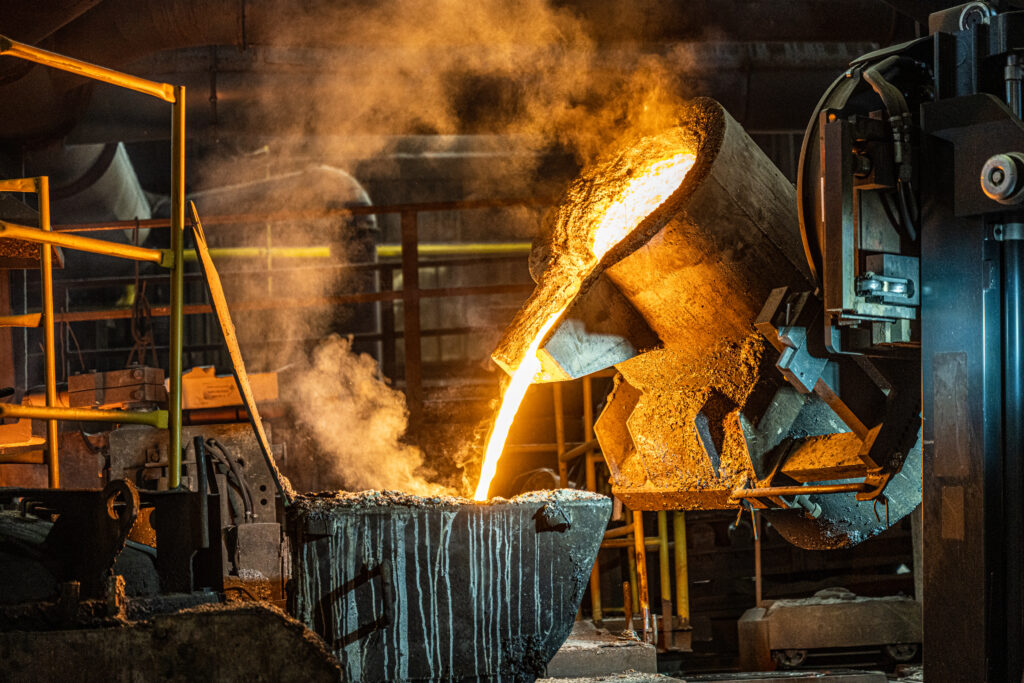
Scrap & DRI Charging Strategies for EAF Efficient scrap and DRI charging sits at the core of every high-productivity Electric Arc Furnace (EAF) operation. The choice between traditional EAF charging buckets vs continuous charging systems directly influences melt rate, thermal balance, safety, and plant footprint in 2025 and beyond. Many melt shops face—and will continue […]