





From Technical to Battery‑Grade: QA, Analytics & Rework
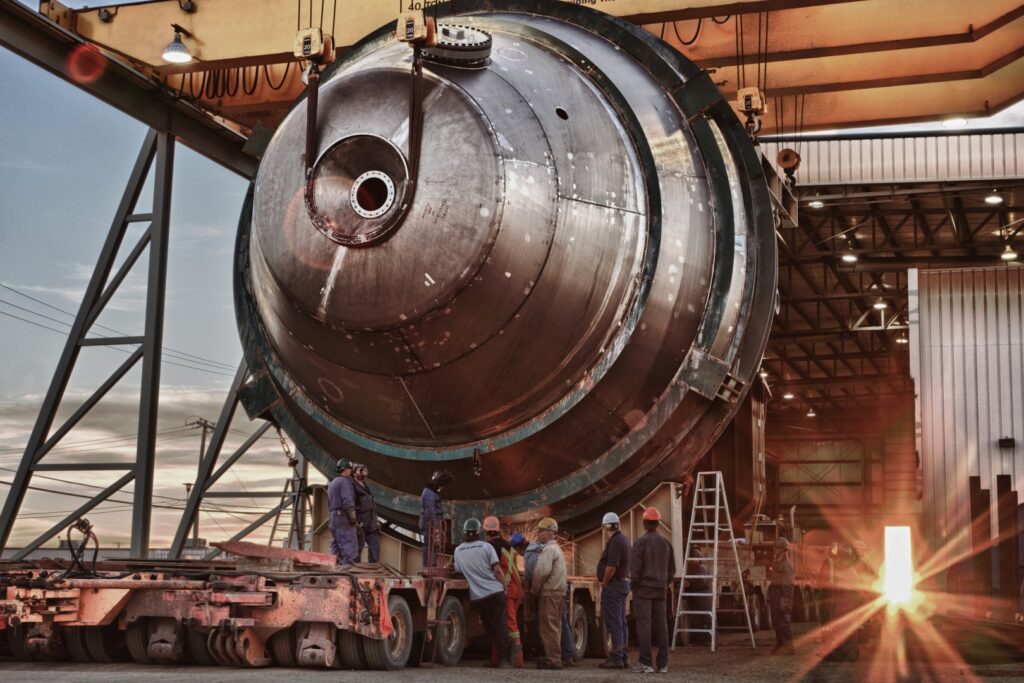
Quality Definitions & Specs The global battery supply chain requires lithium that meets strict purity standards, yet much of the lithium produced initially only meets technical-grade standards. To reach the high-value markets for electric vehicles and energy storage, producers must transform this material into battery-grade lithium carbonate or hydroxide. That transition is neither automatic nor […]
Heat Integration Across Evaporation & Crystallization
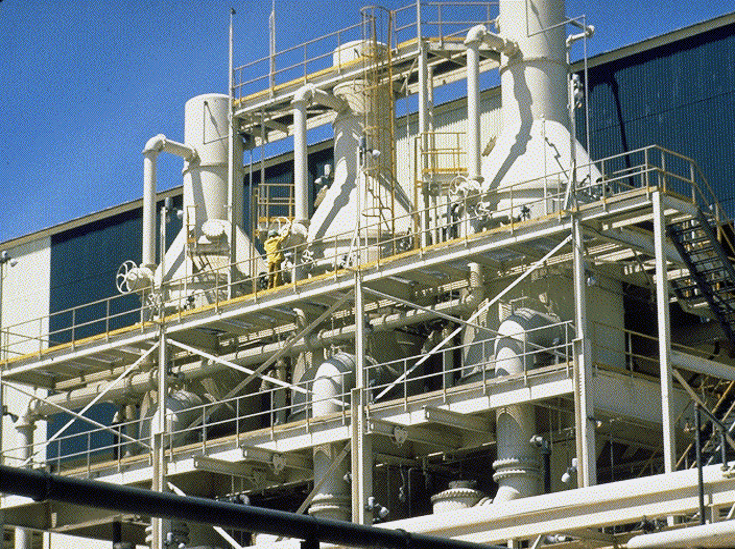
Heat Integration for Lithium Refineries In any lithium refinery heat integration project, the starting point is pinch analysis. This thermodynamic method helps identify the most efficient way to match process heat sources and sinks across evaporation and crystallization steps. The principle is straightforward: every hot stream that needs cooling (a source) should be paired with […]
Designing Lithium Carbonate/Hydroxide Crystallization Trains
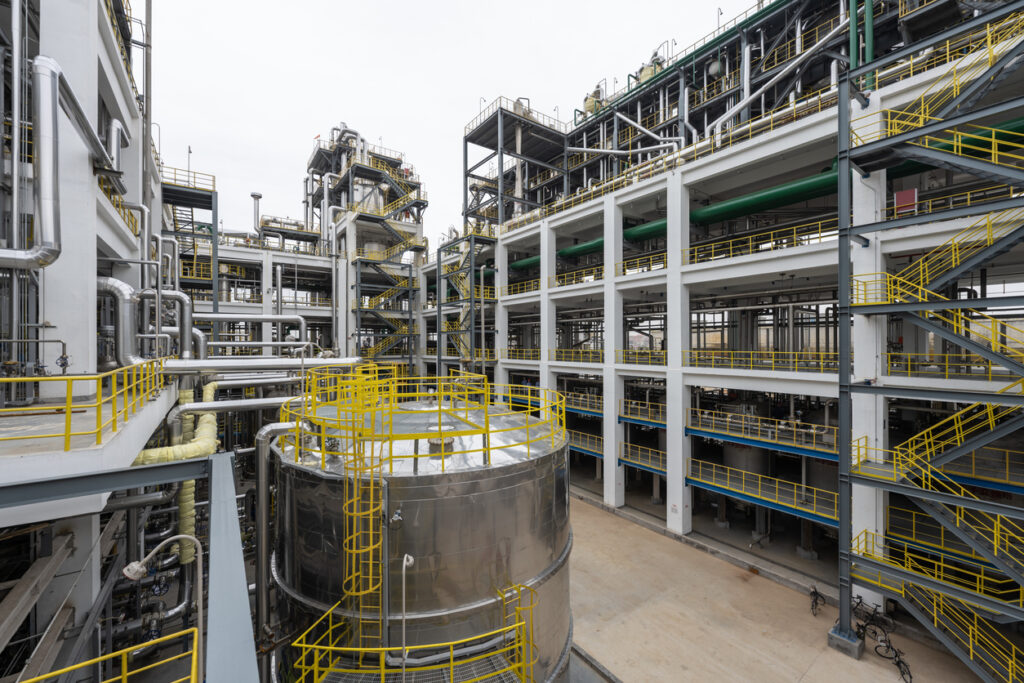
Li₂CO₃/LiH Crystallization Train Design Designing a lithium carbonate crystallization train or a lithium hydroxide crystallization system requires more than just equipment — it requires a comprehensive engineering pathway that begins with modeling and culminates in commercial delivery. Each step is designed to produce consistent, battery-grade lithium products that meet the stringent standards of the EV […]
Sodium Sulfate & Impurity Management: Waste Minimization Options

By-Product Sources Every lithium refining stream — whether brine, hard rock, or clay — contains impurities that must be separated to produce a high-purity product. Among these impurities, sodium sulfate (Na₂SO₄) is one of the most common by-products. Rather than being treated purely as a waste liability, sodium sulfate can be recovered and managed strategically. […]
Inline Analytics for Lithium Refining: What to Measure (and Why)

Inline Analytics in Lithium Refining Producing high-purity, battery-grade lithium relies on precise process monitoring and control. Inline analytics are central to this effort because they enable operators to measure and control key quality indicators in real-time, rather than relying solely on offline laboratory analysis. The following parameters are essential: Purity and Yield At the heart […]