

By-Product Sources
Every lithium refining stream — whether brine, hard rock, or clay — contains impurities that must be separated to produce a high-purity product. Among these impurities, sodium sulfate (Na₂SO₄) is one of the most common by-products.
Rather than being treated purely as a waste liability, sodium sulfate can be recovered and managed strategically. Whiting Equipment Canada delivers these solutions through its licensee, Swenson Technology — a global leader in evaporation and crystallization systems with decades of experience in lithium refining. Swenson’s track record includes handling sodium sulfate by-products such as anhydrous Na₂SO₄ and sodium sulfate decahydrate (Na₂SO₄·10H₂O). This expertise supports Whiting’s broader deliverables, ensuring that by-products are not only separated effectively but also evaluated for potential recovery and reuse. The result is a philosophy where impurities are treated as recoverable materials with secondary value, aligning with today’s emphasis on sustainability and circular resource use.
Recovery & Reuse Options
Several options exist for lithium sodium sulfate byproduct management:
- Chemical feedstock: Sodium sulfate can be used in the detergent, glass, and pulp & paper industries. Recovery for resale provides both a sustainability and cost offset.
- Energy-intensive industries: Na₂SO₄ can be utilized in thermal storage or as an additive in cement kilns, reducing disposal costs.
- On-site reuse: In some cases, sodium sulfate can be recycled back into parts of the refining process if carefully controlled, reducing external waste streams.
The feasibility of each reuse pathway depends on purity, logistics, and market conditions; however, all represent opportunities to transform what was once a disposal challenge into a controlled, value-added output.
Crystallization & Separation
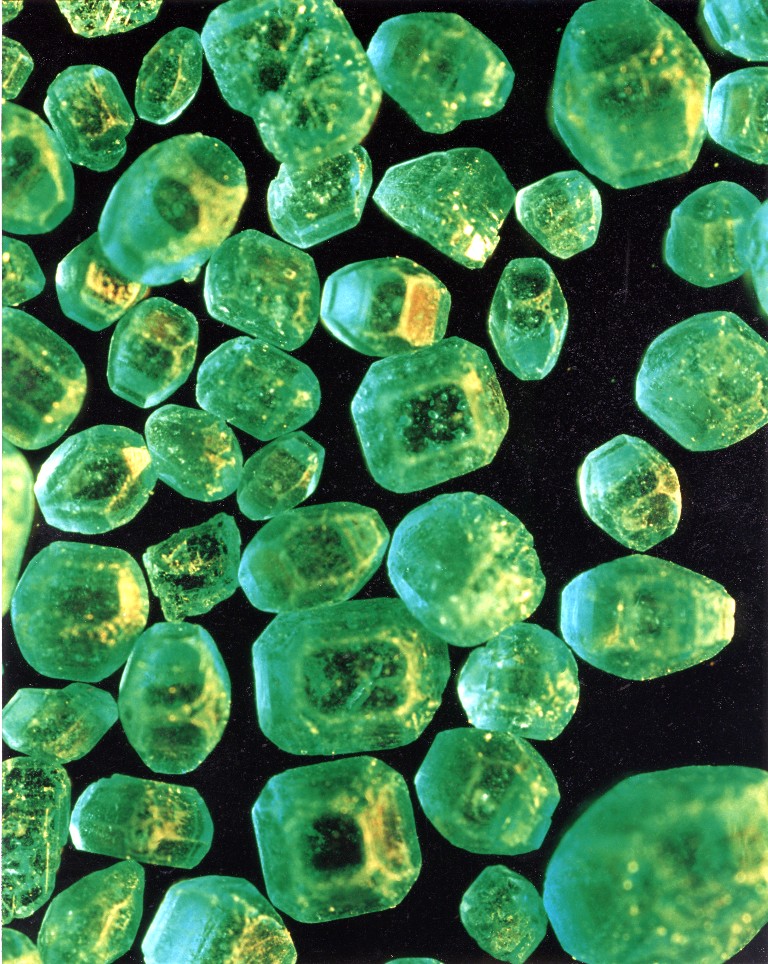
- How it works: By controlling supersaturation, nucleation, and growth, crystallizers allow sodium sulfate to form as a distinct solid phase while lithium carbonate or lithium hydroxide crystallizes separately.
- Contaminant control: This engineered separation ensures sodium sulfate remains in a stream that can be recovered, treated, or reused, while the lithium stream is purified toward battery-grade specifications.
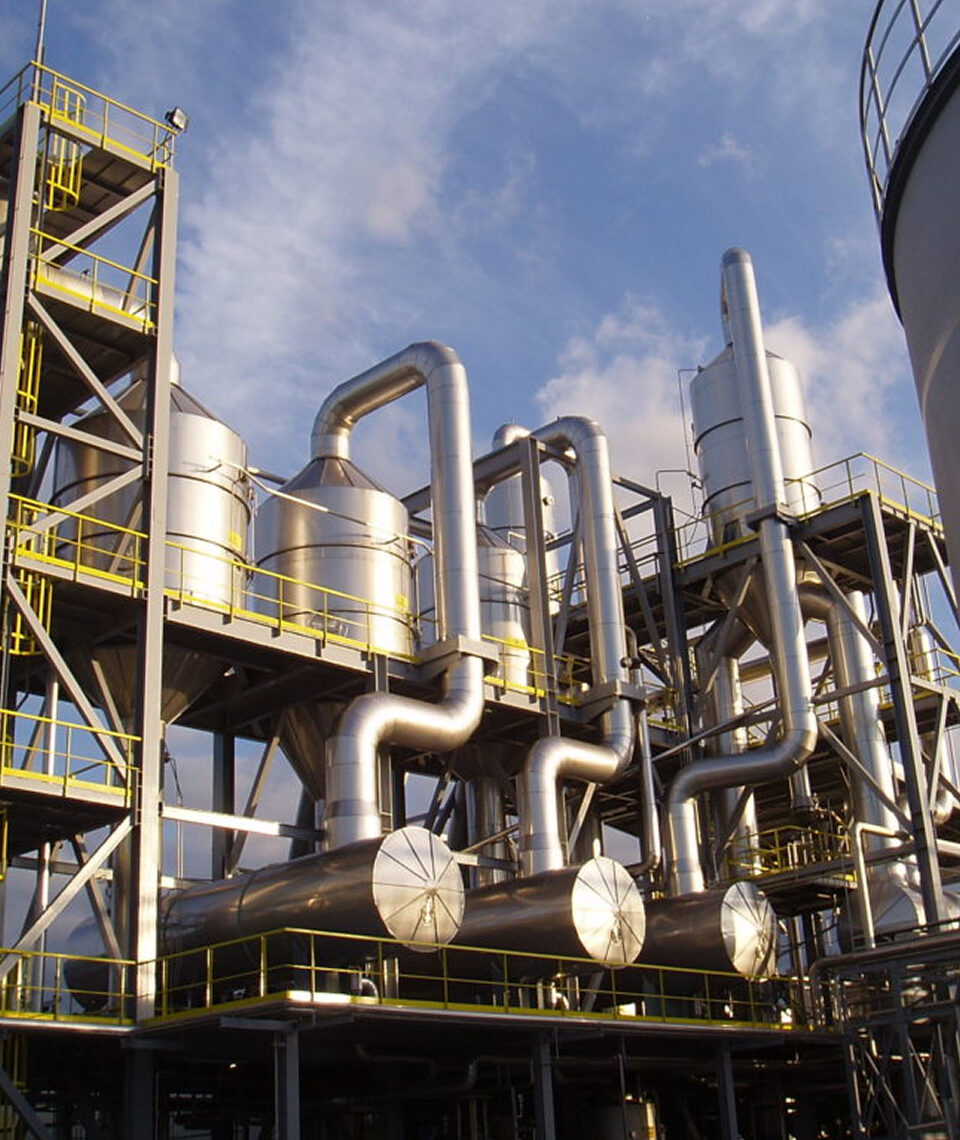
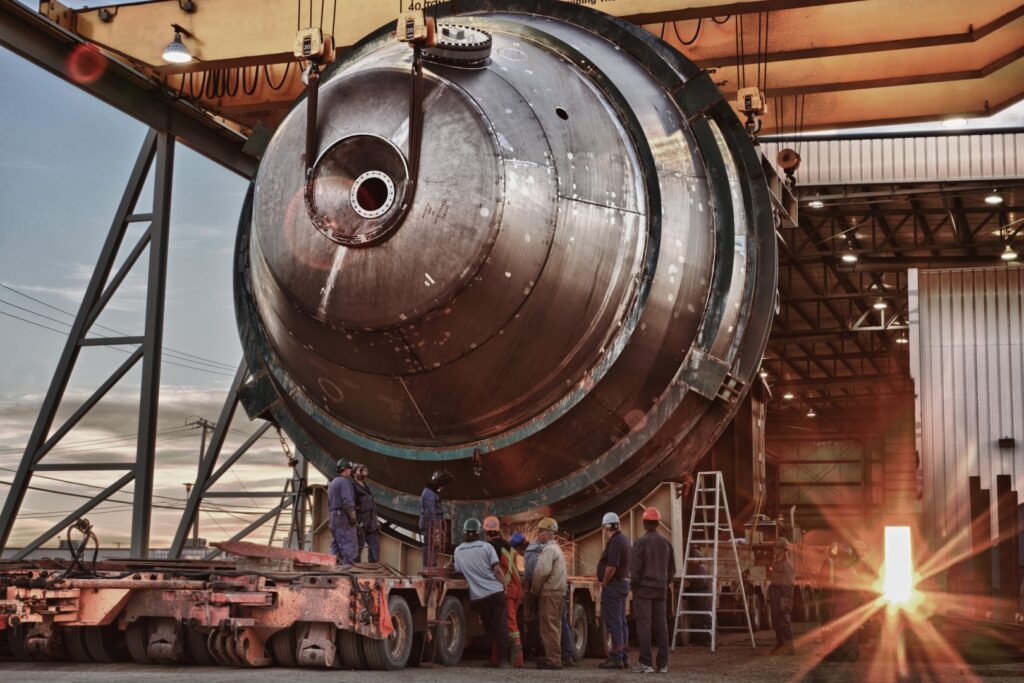
- Equipment used: Swenson Technology employs multiple crystallizer designs — draft tube baffle (DTB), forced circulation, evaporative, and cooling types — along with forced circulation and falling film evaporators. Each design offers specific benefits depending on impurity load, scaling tendencies, and product purity targets.
This engineered approach ensures lithium recovery remains high while impurity management is precise.
Waste Minimization
The goal is not only to recover valuable by-products but also to minimize the volume of problematic waste. Several principles support this:
- Process optimization: Modeling and simulation of thermodynamics and chemical behavior help determine the most efficient separation points.
- Tailored flowsheets: Because every lithium source has its own impurity profile, custom-designed trains are essential. Tailoring ensures sodium sulfate and other impurities are efficiently removed without over-consumption of energy or reagents.
- Integrated solutions: Combining evaporation and crystallization reduces mother liquor volume and concentrates impurities for easier handling.
Through these steps, waste is not only reduced in volume but also transformed into a more manageable or reusable material stream.
Mass Balance Example
Consider a lithium hydroxide plant processing liquor with high sodium content. Without integrated crystallization, sodium sulfate would accumulate in the mother liquor, requiring costly disposal. With a tailored crystallization block:
- Sodium and sulfate ions combine into Na₂SO₄.
- Crystallizers separate the sodium sulfate as a solid by-product.
- Lithium carbonate continues to crystallize in a cleaner stream.
The outcome is a balanced process with less contaminated liquid waste, higher lithium recovery, and a sodium sulfate product stream that can be evaluated for reuse or sale.
Compliance
Environmental regulations increasingly demand transparency in by-product handling. Uncontrolled sodium sulfate discharges can pose risks to water systems and air quality.
Integrating crystallization as a compliance tool helps demonstrate proactive management. With well-documented impurity removal, mass balances, and disposal/reuse strategies, operators can demonstrate to regulators that sodium sulfate and other impurities are accounted for, thereby minimizing ecological impact and aligning with ESG (environmental, social, and governance) objectives.
Cost Considerations
Sustainability and cost control often align when it comes to impurity management. While recovery systems require capital investment, several benefits support the business case:
- Reduced disposal costs: Landfill and wastewater treatment costs are avoided or minimized.
- Secondary revenue: Sale of sodium sulfate into detergent, pulp, or chemical markets can offset refining costs.
- Higher product value: Efficient impurity removal improves lithium purity, reducing the risk of off-spec batches that require rework.
- Process efficiency: Optimized heat integration and crystallizer design lower operating expenses.
For operators, the combination of cost savings and sustainability gains often justifies the investment in robust by-product management systems.
Conclusion
Sodium sulfate and impurity management are not side issues in lithium refining; they are central to sustainability, compliance, and profitability. By leveraging advanced crystallization technologies, producers can minimize waste, recover reusable by-products, and maintain mass balance across the plant.
The strategic management of Na₂SO₄ — treating it as a resource rather than a liability — provides an opportunity to improve both environmental performance and cost control. With tailored solutions, operators can achieve higher lithium recovery, reduce waste volumes, and align with ESG commitments.
In short, lithium sodium sulfate byproduct management is as much about future-proofing operations as it is about today’s efficiency.
Ready to optimize your lithium refining process? Whiting’s team can help design integrated crystallization and by-product management systems that maximize lithium recovery, minimize sodium sulfate waste, and support your sustainability goals. Contact us to discuss a solution tailored to your operation.