

Defining the Electric Arc: Beyond the Simple Spark
An electric arc is not a simple spark, but a self-sustaining, luminous discharge of electrical energy through an ionized gas medium that generates temperatures capable of melting virtually any known material.
The distinction matters in industrial contexts. A momentary spark is a transient event: electrons bridge a gap briefly, energy dissipates, and the discharge collapses. An electric arc is fundamentally different. When sufficient current flows continuously between two electrodes, the surrounding gas molecules absorb enough energy to shed their electrons entirely, transitioning from a gaseous state into plasma which is the fourth state of matter. That transition is what separates a household static discharge from a process capable of cutting through steel plate.
Plasma column is the term used in industrial settings to describe the concentrated, high-energy channel that forms between the electrodes once this ionized state is established. The column conducts electricity with exceptionally low resistance, which is precisely why arcs are so difficult to interrupt once initiated. In practice, this self-reinforcing nature is both the arc’s defining advantage and its primary engineering challenge.
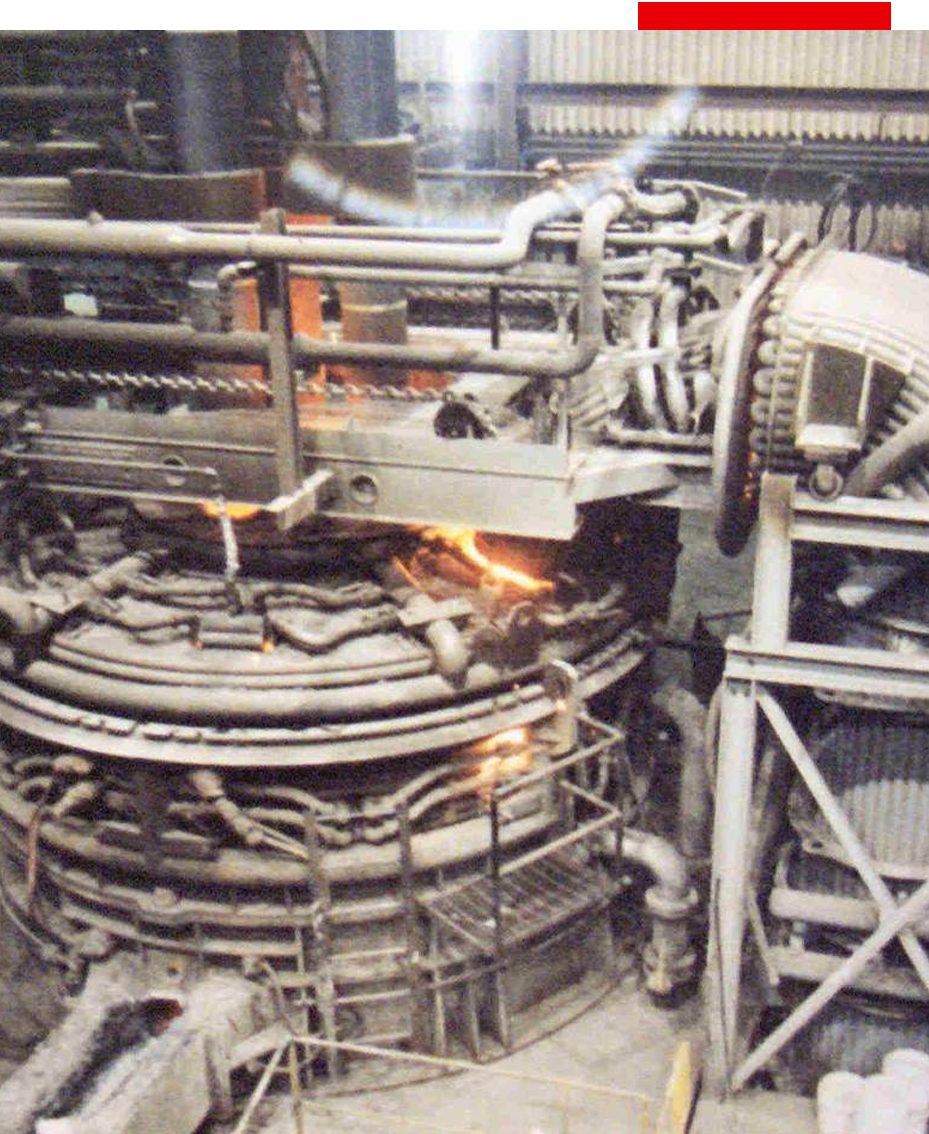
Nowhere is this more effective that in an electric arc furnace
The Physics of Extreme Heat: Understanding Arc Temperature
Industrial electric arcs generate some of the most intense thermal energy on Earth, reaching temperatures that dwarf conventional combustion and make them indispensable for melting even the most refractory metals.
To fully grasp what is an electric arc and why it performs so effectively, you need to understand the physics driving that heat. The arc column is sustained by continuous electron bombardment. High-velocity electrons collide with gas molecules, stripping away their outer electrons and creating a dense plasma channel. Each collision transfers kinetic energy directly into thermal energy, and because this process happens millions of times per second across the plasma stream, the cumulative heat output is extraordinary.
Arc temperature varies based on several interacting variables:
- Current magnitude — higher amperage drives more electron collisions, raising core temperatures
- Arc length — a longer arc requires greater voltage to sustain the plasma, spreading heat over a wider zone
- Electrode material — the thermal conductivity of the cathode and anode shapes how efficiently energy enters and exits the plasma column
- Gas medium — different ionized gases yield different temperature ceilings and plasma densities
Arc length plays a particularly nuanced role. Stretching the arc increases resistive voltage drop across the plasma, which initially boosts heat output, but it also widens heat distribution, reducing intensity at any single point. In practice, operators adjust arc length to balance penetration depth against surface spread, depending on the material being processed.
The cathode and anode aren’t passive contacts. The cathode emits electrons through thermionic or field emission, while the anode absorbs them, creating localized hot spots at each electrode tip that can exceed 3,500°C (6,332°F) — enough to liquefy any known metal. These temperature extremes are precisely what make arc technology so powerful in industrial settings, particularly in large-scale steelmaking operations.
Electric Arc Furnace (EAF) Steelmaking: The Pinnacle of Application
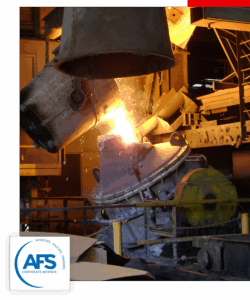
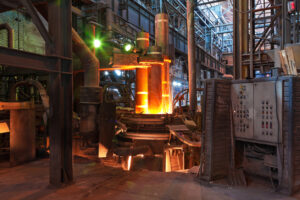
Electric arc furnace technology represents the most powerful industrial deployment of arc physics, using massive carbon electrodes to generate sustained arcs that melt thousands of tons of scrap steel every day.
EAF carbon electrodes drive enormous electrical currents through a gap above the scrap steel charge, creating arcs that sustain temperatures well above 3,000°C — enough to liquefy even dense, compacted metal within minutes. Unlike traditional blast furnaces that rely on continuous iron ore input and coking coal, EAFs feed primarily on recycled scrap. That distinction matters enormously for both economics and throughput.
Energy efficiency is where EAF technology pulls decisively ahead. Blast furnaces require extensive ore preparation and lengthy reduction cycles, while EAF operations can bring a full charge to tap-ready liquid steel in under 90 minutes. Just as arc length in welding directly controls heat input and bead consistency at smaller scales, electrode gap management in an EAF directly governs energy transfer efficiency and melt uniformity across the entire furnace charge.
Environmental impact is equally compelling. Because EAFs process recycled scrap rather than virgin ore, they can reduce CO₂ emissions by roughly 50% compared to conventional integrated steelmaking — a meaningful advantage as the industry faces tightening emissions standards.
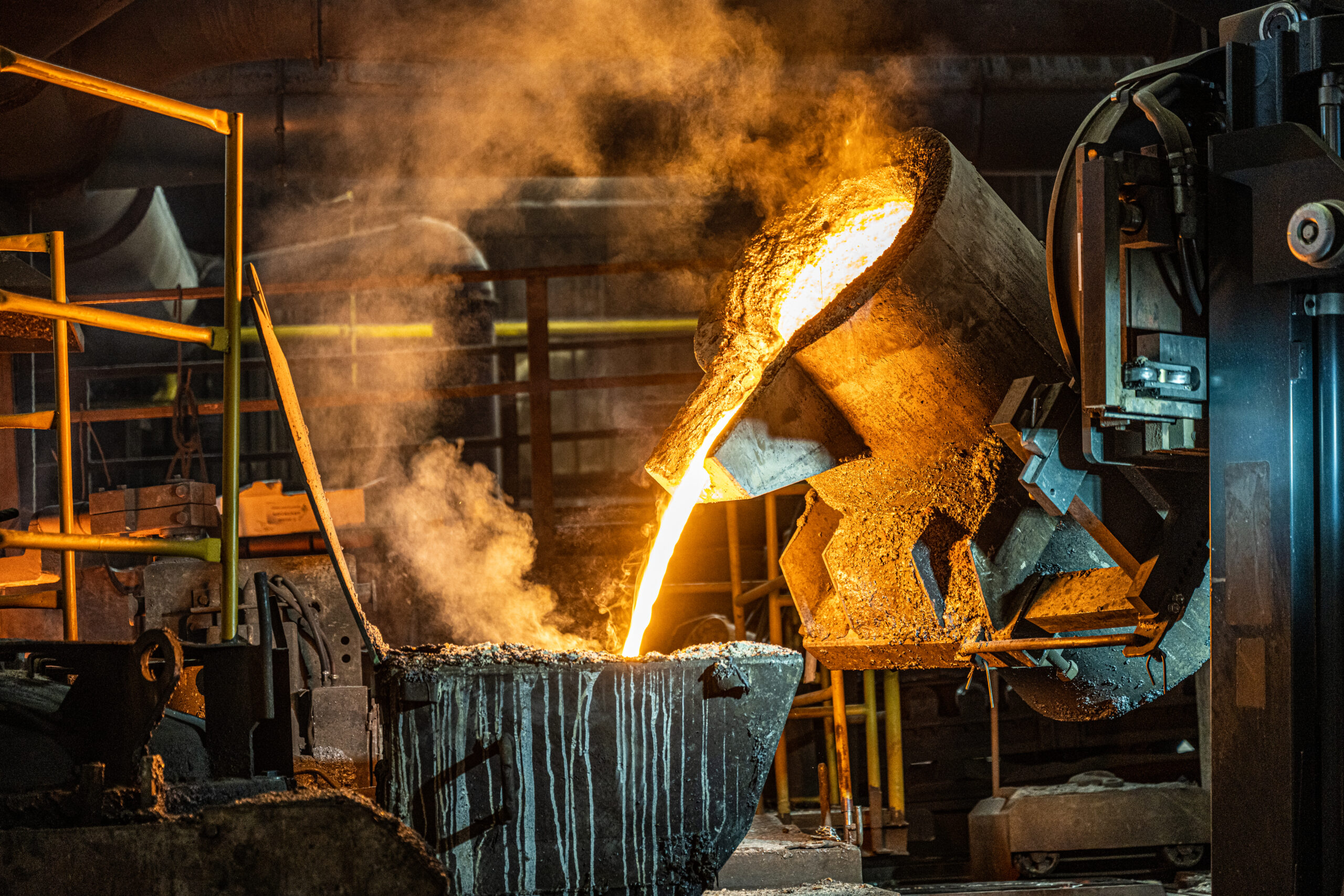
Handling the output demands equipment built to match the process. Molten steel at tapping temperature exerts extreme thermal and mechanical stress on every system it contacts. Whiting’s heavy-duty ladles and steel mill handling systems are engineered specifically to support these demands, managing the transfer of liquid steel safely and reliably between the furnace and downstream processing. That kind of infrastructure is what allows EAF operations to maintain the throughput and precision that modern steelmakers require. The same attention to controlled energy delivery that defines EAF success also drives innovation in smaller-scale arc.
Safety and Containment: Managing the Arc Flash
The extreme electric arc temperature that makes industrial arcs so useful — exceeding 3,500°C in steelmaking applications — also makes uncontrolled arcing one of the most dangerous events in any industrial facility.
Arc Flash Defined: An arc flash is a sudden, explosive release of energy caused by an unintended electrical discharge through the air between conductors. The resulting blast produces intense heat, blinding ultraviolet light, pressure waves, and molten metal ejection — all within milliseconds.
Arc flash risk is not theoretical. It can cause severe burns, permanent vision damage, and fatal injuries even at some distance from the discharge point. This is why NFPA 70E and OSHA standards mandate rigorous hazard analysis before any work near energized equipment.
PPE and shielding form the first line of defense. Workers in arc-adjacent environments require arc-rated face shields, flame-resistant clothing, and insulated gloves rated for the specific incident energy level present. But PPE alone isn’t the answer — it’s a last resort, not a primary control.
Engineering controls carry far more weight in a sound safety strategy. Spatially confining plasma discharge to 1 mm or less is one established approach to maintaining stable, contained arcs in precision applications. In material handling environments where overhead cranes and charging systems operate near high-voltage equipment, preventing unintended arcing requires careful equipment spacing, insulation monitoring, and interlocked safety systems that shut down power before a fault can escalate.
Equipment design philosophy is where safety becomes structural rather than reactive. Whiting’s approach builds containment and fault prevention into the equipment itself, so the engineering does the heavy lifting before hazards reach personnel. When you understand how arc physics behaves at scale, the case for safety-first design becomes self-evident, and the key principles that govern all of this are worth summarizing clearly.
What You Need to Know: Key Takeaways
Electric arc technology is one of the most consequential forces in modern industry — and understanding how it works separates effective operations from costly ones.
The four points below distill what’s been covered throughout this article into clear, standalone insights you can apply directly.
- An electric arc is a sustained plasma discharge, not a simple spark. Once established between two electrodes, it maintains a continuous, self-sustaining channel of ionized gas which is a fundamentally different phenomenon from a momentary electrical event, and far more controllable when properly engineered.
- Arc temperatures routinely exceed 3,500°C, making electric arc furnace steelmaking one of the few processes capable of melting bulk scrap metal efficiently and at scale. That thermal intensity is what drives the economics of modern steel recycling.
- Arc stability isn’t passive — it requires active management. Precise control of arc length and gas ionization conditions determines whether an arc performs consistently or erratically. In practice, small deviations in electrode positioning or shielding gas composition can meaningfully affect output quality and energy consumption.