

Electric Arc Furnace: The Complete Guide to Modern EAF Steelmaking
The global steel industry stands at a pivotal juncture. As the push for industrial decarbonization accelerates, the traditional blast-furnace route; reliant on iron ore and metallurgical coal is increasingly scrutinized for its high carbon intensity. In its place, the electric arc furnace (EAF) has emerged as the definitive technology for sustainable, low-carbon steel production. By leveraging scrap metal recycling and electricity rather than coking coal, the EAF represents the most viable path to a circular, net-zero future for the steel industry. This guide provides an authoritative reference for engineers, plant operators, and stakeholders navigating the complex landscape of modern EAF steelmaking.
The Evolution of Steelmaking: Why the EAF is the Future
EAF vs. Blast-Furnace Routes: Key Differences
The fundamental divergence between traditional steelmaking and modern EAF steelmaking lies in the energy source and raw material inputs. Blast furnaces utilize the reduction of iron ore in a carbon-intensive process, while EAFs melt ferrous scrap or direct-reduced iron (DRI). This fundamental difference allows EAF operations to significantly lower their carbon footprint, provided they secure renewable energy. The modern furnace is a highly flexible unit capable of producing a wide range of steel grades, making it the preferred choice for agile, market-responsive manufacturing.
The Role of the World Steel Association in Global Standards
The World Steel Association serves as the essential reference for global performance benchmarks. By providing comprehensive data, industry updates, and best practices, they enable plants to align their operational conditions with international safety and environmental standards. For those seeking technical support or specific production guidelines, their repository of information remains the industry gold standard.
Industrial Decarbonization and the Push for Net-Zero Steel
Decarbonization is no longer a corporate elective but a regulatory necessity. The shift toward EAF production is the most effective lever for reducing the industry’s scope 1 and 2 emissions. By integrating renewable power into the furnace energy mix and optimizing the use of biocarbon, steelmakers are transforming production facilities from pollution sources into hubs of resource efficiency.
The Anatomy of a Modern Electric Arc Furnace
The Furnace Shell and Refractory Lining
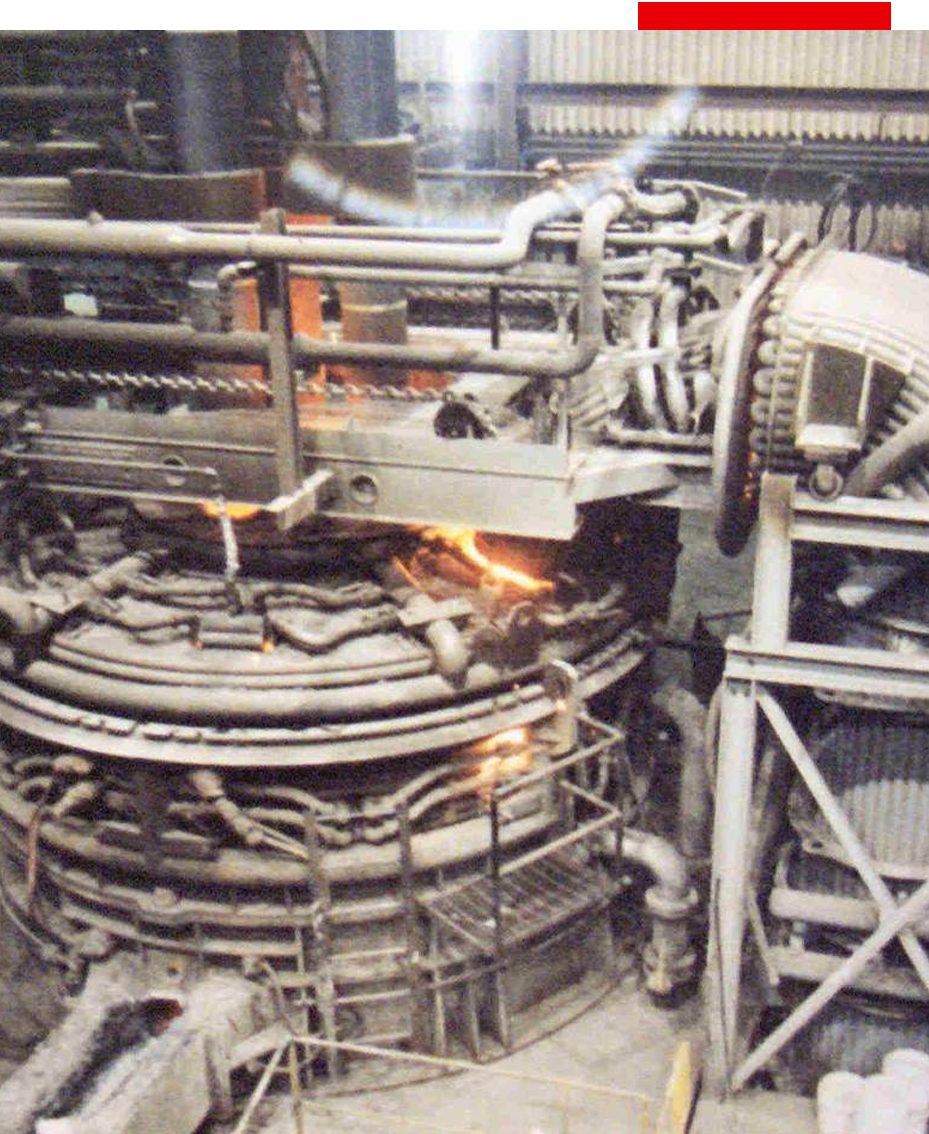
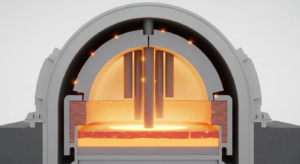
The furnace shell is the primary containment vessel for the melt. It must withstand extreme thermal cycling and mechanical stress. High-performance refractory linings are critical to maintaining structural integrity and preventing heat loss. Whiting Equipment Canada’s modern linings are engineered to handle the corrosive chemistry of EAF slags, ensuring longer furnace life and reduced downtime.
The Furnace Arch and Electrode Regulation System
The arch supports the electrodes, which are the heart of the electrical system. The electrode regulation system is vital for maintaining the arc stability during the melting cycle. By precisely controlling the distance between the electrode and the scrap, operators can optimize power consumption, reducing both electricity waste and electrode wear.
Power Supply: Transformers and Electrical Grids
The furnace requires high-capacity transformers to convert grid power into the massive energy necessary to melt solid scrap. Managing the electrical load is essential for grid stability. Modern EAFs employ sophisticated power management systems to minimize flicker and harmonic distortion, ensuring that steel production does not negatively impact the local electrical infrastructure.
The EAF Melt Cycle: From Charge to Tap
Scrap Metal Preparation and Charging
Success in the furnace begins with the quality of the charge. Scrap must be carefully sorted to manage tramp elements that can jeopardize steel quality. Automated scrap management systems optimize the charging process, ensuring that the chemistry is balanced before the arc is ever struck.
Melting Phase: Establishing the Arc and Power Optimization
The melting phase is characterized by high power density. During this stage, operators must manage the furnace atmosphere to prevent excessive metal oxidation. Whiting’s precise regulation of the arc is the key to maintaining energy efficiency while ensuring the scrap collapses consistently into a molten pool.
Refining: Chemical Adjustments and Slag Formation
Refining is where the steel composition is finalized. Slag formation is critical here; the slag acts as a chemical sponge to absorb impurities like phosphorus and sulfur. By controlling the basicity of the EAF slags, producers can effectively remove pollutants and refine the steel to meet specific customer requirements.
Tapping and Ladle Metallurgy
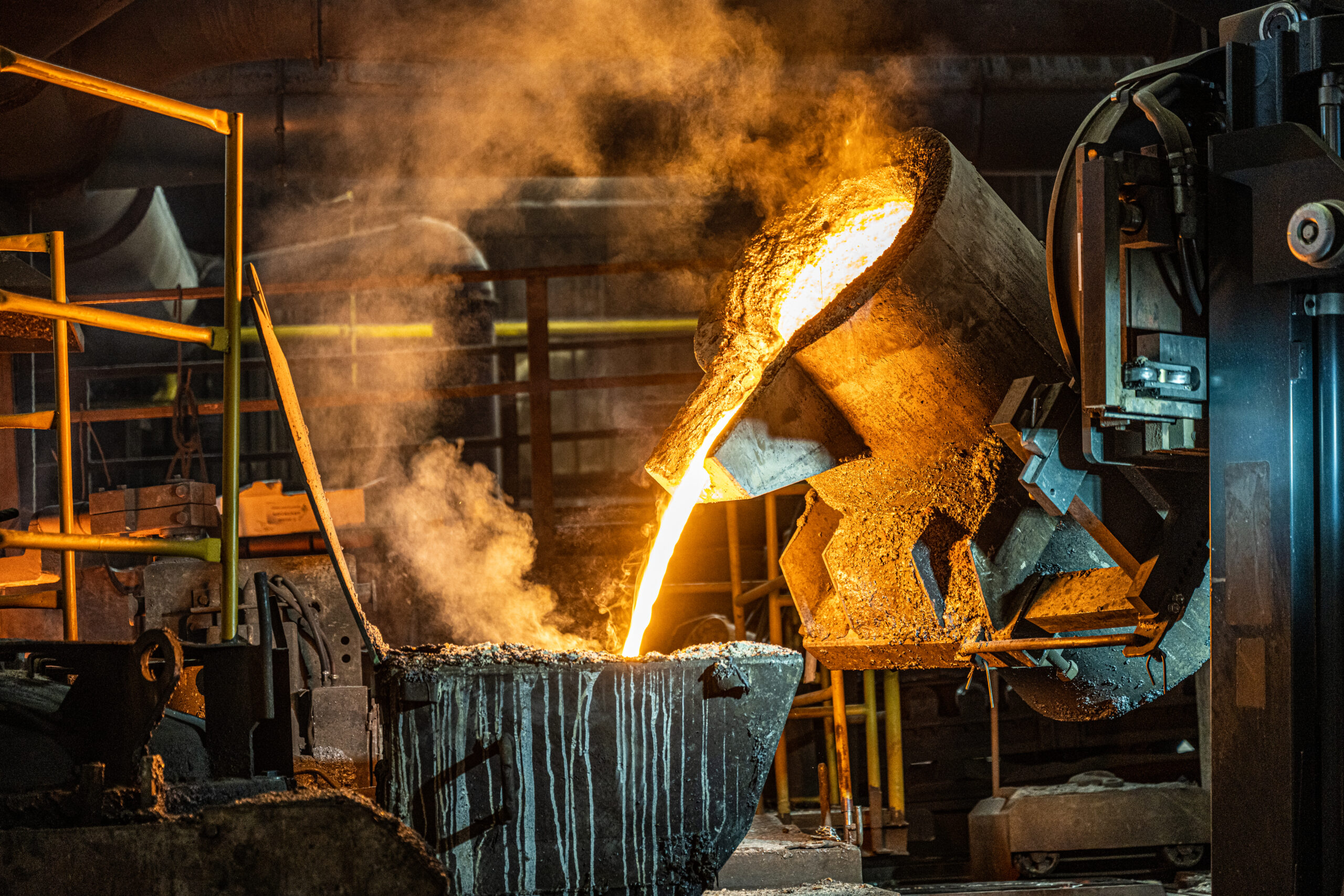
Once the heat reaches the target temperature and chemistry, it is tapped into a ladle for secondary metallurgy. Ladle furnaces provide the final opportunity to adjust alloys and ensure inclusion cleanliness. This stage is crucial for producing high-grade steel that meets strict structural specifications.
Resource Efficiency and the Circular Economy
Scrap Recycling: The EAF as the Ultimate Recycling Tool
The EAF is effectively the world’s largest recycling machine. By recycling millions of tons of steel scrap annually, EAF operations divert waste from landfills and drastically reduce the energy requirements compared to virgin ore smelting. This circularity is the cornerstone of the industry’s environmental strategy.
Optimizing Charge Materials: DRI, HBI, and Pig Iron
To meet the demand for high-purity steel, many operators supplement scrap with direct-reduced iron (DRI), hot-briquetted iron (HBI), or pig iron. These materials help dilute residual elements in the scrap, providing a consistent, high-quality metallic charge that improves furnace efficiency and lowers the leaching potential of the final slag.
Reducing Embodied Carbon in the Production Process
Every aspect of the production process, from scrap logistics to electrical power source, impacts the embodied carbon of the final product. By optimizing the furnace energy balance, companies are successfully reducing their carbon intensity. This is essential for steel producers aiming to market “green steel” in a carbon-constrained global economy.
Energy Management and Thermal Balance
Heat Exchangers and Energy Recovery Systems
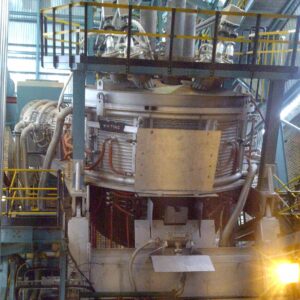
Modern furnaces are designed to capture heat that was once lost. Off-gas cooling systems act as heat exchangers, preheating the incoming scrap and recovering energy that can be repurposed. This thermal management strategy is essential for maximizing the energy efficiency of the furnace.
Chemical Energy vs. Electrical Energy in the Melt
Efficient EAF operations rely on a combination of electrical energy and chemical energy. Oxygen injection, for instance, promotes the combustion of carbon and scrap, providing a supplementary heat source that reduces the electrical demand. Whiting Equipment Canada recognizes that balancing these inputs is a key factor in optimizing operational costs.
Operational Conditions for Maximum Efficiency
Over our 140 years in the metallurgical industry, Whiting understands operating conditions such as arc length, slag volume, and oxygen flow rates must be strictly monitored. By maintaining consistent, documented operating conditions, plants can ensure repeatable quality and prevent the equipment failures that often stem from erratic furnace performance.
Advanced Pollution Control and Off-Gas Systems
The Off-Gas Collection System: Primary and Secondary Extraction
EAF operations generate significant volumes of gas and particulate matter. Primary extraction systems capture gases directly from the fourth hole of the furnace, while secondary systems capture emissions released during charging and tapping. This dual-layered approach is the gold standard for environmental compliance.
Baghouses and Dust Collection: Managing Particulate Matter
Baghouse filtration systems are the primary defense against atmospheric pollution. They effectively capture dust and metallic oxides, preventing them from entering the local environment. Proper maintenance of these systems is a critical component of Whiting’s environmental health and safety initiatives.
Thermal Balance and Gas Cooling Strategies
Controlling the temperature of the off-gas is necessary to protect downstream equipment. Gas cooling systems, including spray chambers or radiant coolers, bring the gas temperature to a level safe for filtration. This ensures that the pollution control equipment operates efficiently without premature degradation.
Flue Gas Analysis and Pollutant Capture Systems
Continuous emission monitoring systems (CEMS) provide real-time data on flue gas chemistry. By analyzing pollutants at the source, operators can make immediate adjustments to their processes. This data-driven approach is essential for meeting increasingly stringent emission caps.
Decarbonization Strategies: The Shift to Biocarbon
Replacing Fossil Carbon with Sustainable Alternatives
As the industry seeks to replace coal-based additives, biocarbon has emerged as a promising substitute. Derived from sustainable biomass, these materials provide the necessary carbon content for the steelmaking process while lowering the net carbon output. Integrating these materials is a key differentiator for forward-thinking producers.
Impact of Biocarbon on Melting Performance
While biocarbon offers environmental benefits, its physical and chemical properties differ from coal. Operators must adjust their melting parameters to account for these differences. However, with proper management, the use of biocarbon does not compromise melting performance or steel quality, proving that sustainability and efficiency can coexist.
Conclusion
The transition to EAF steelmaking is a transformative process for the global steel industry. By moving away from carbon-heavy blast furnaces toward a flexible, circular, and electrically powered model, producers are not only meeting environmental demands but also securing long-term operational viability. The success of this transition hinges on three pillars: rigorous operational control, the adoption of advanced pollution abatement technology, and a commitment to material efficiency.
For those operating in this space, staying informed is critical. Regulatory standards regarding EAF slags and leaching behaviors are continuously evolving; therefore, maintaining an up-to-date industry reference library is essential for ensuring compliance. We encourage plant leaders and managers to audit their internal processes against these benchmarks regularly.
Key takeaways for the modern steelmaker include:
Efficiency is Sustainability: Every kilowatt or kilogram of scrap saved contributes directly to both profitability and the reduction of embodied carbon.
Standardization is Critical: Whether you are managing slag disposal or monitoring off-gas, adhering to ASTM or relevant regional standards is non-negotiable for environmental compliance.
Data is the Foundation: Utilize real-time monitoring and advanced analytics to optimize furnace operating conditions, ensuring that your facility remains a leader in both safety and productivity.
If you require further information regarding environmental performance monitoring or technical support for your furnace operations, we recommend reaching out to our specialized industry representatives who can offer localized guidance. The path to a net-zero steel industry is complex, but with the right technological deployment and operational discipline, it is entirely achievable. The EAF is not merely a tool for production; it is the engine of the sustainable future of steel.