
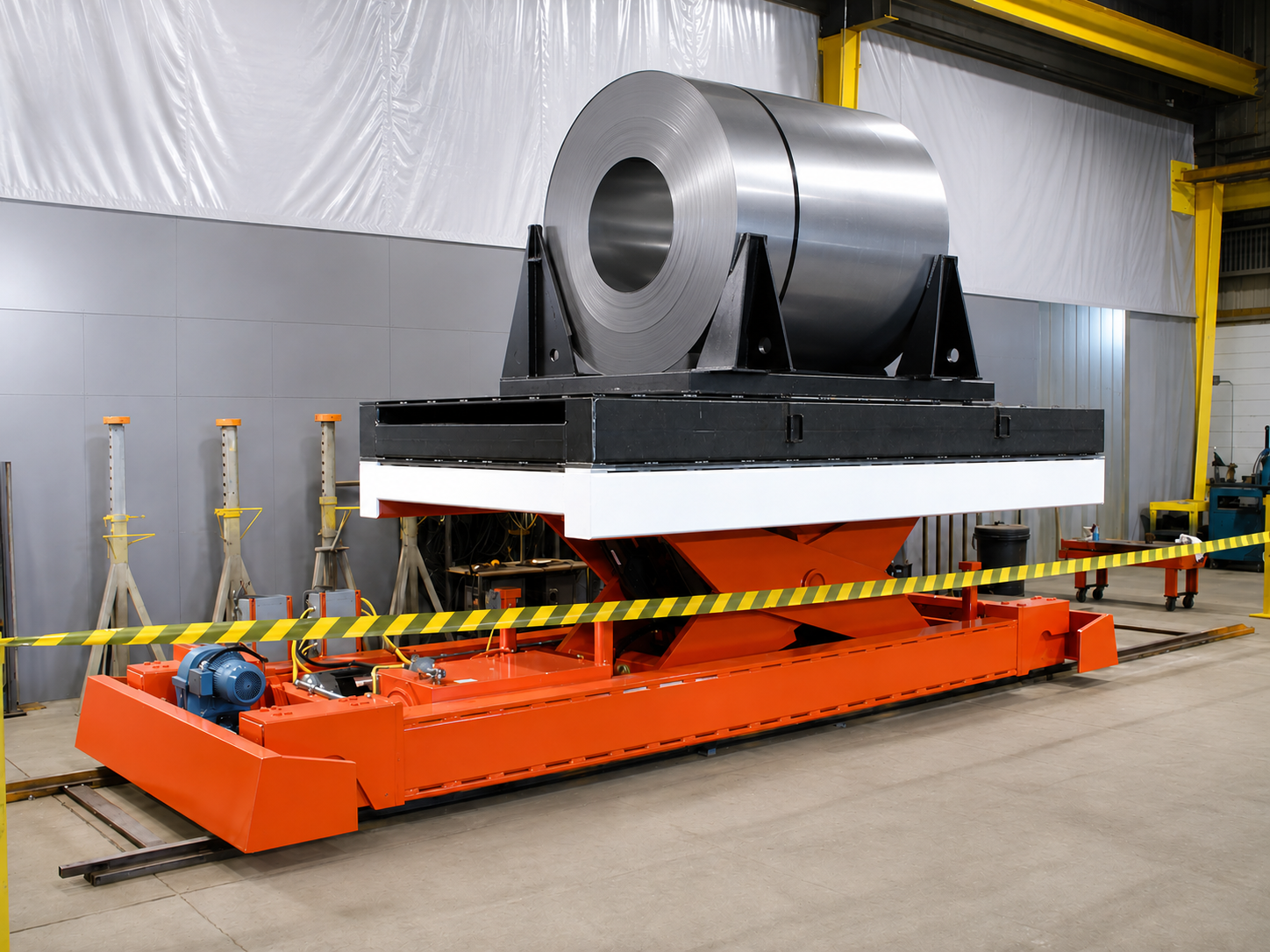
Industrial transfer cars are the unsung workhorses of heavy manufacturing — motorized vehicles engineered to move massive loads across fixed or semi-fixed paths inside a facility, where forklifts simply can’t perform.
An industrial transfer car is a powered, rail-mounted or trackless vehicle designed to transport extreme loads that no standard material handling equipment can safely manage. The distinction matters: a “cart” typically implies a manual or lightly powered platform suited for lighter duty cycles, while a transfer car is a purpose-built motorized system built for continuous, high-load operation. That difference isn’t semantic — it directly shapes how a system is specified, maintained, and integrated into production.
Transfer cars fall within the broader landscape of industrial material transport equipment, which encompasses conveyors, cranes, hoists, automated guided vehicles, and specialized floor-level vehicles. Each category serves a defined role, and transfer cars occupy the niche where loads are too heavy, too large, or too awkward for other solutions. According to Whiting Equipment Canada, these systems are engineered to handle capacities ranging from 1 ton to over 300 tons — a range that underscores just how demanding industrial transfer car applications can be found across sectors like steel, automotive, and aerospace.
Understanding what a transfer car is sets the foundation for the next critical decision: how it moves. The choice between rail-mounted and trackless configurations shapes everything from load path flexibility to infrastructure investment — and that’s where the real engineering trade-offs begin.
Rail-Mounted vs. Trackless: Choosing the Right Movement Profile
The choice between rail-mounted and trackless transfer cars is one of the most consequential decisions in any heavy-duty material handling project — and getting it wrong is expensive.
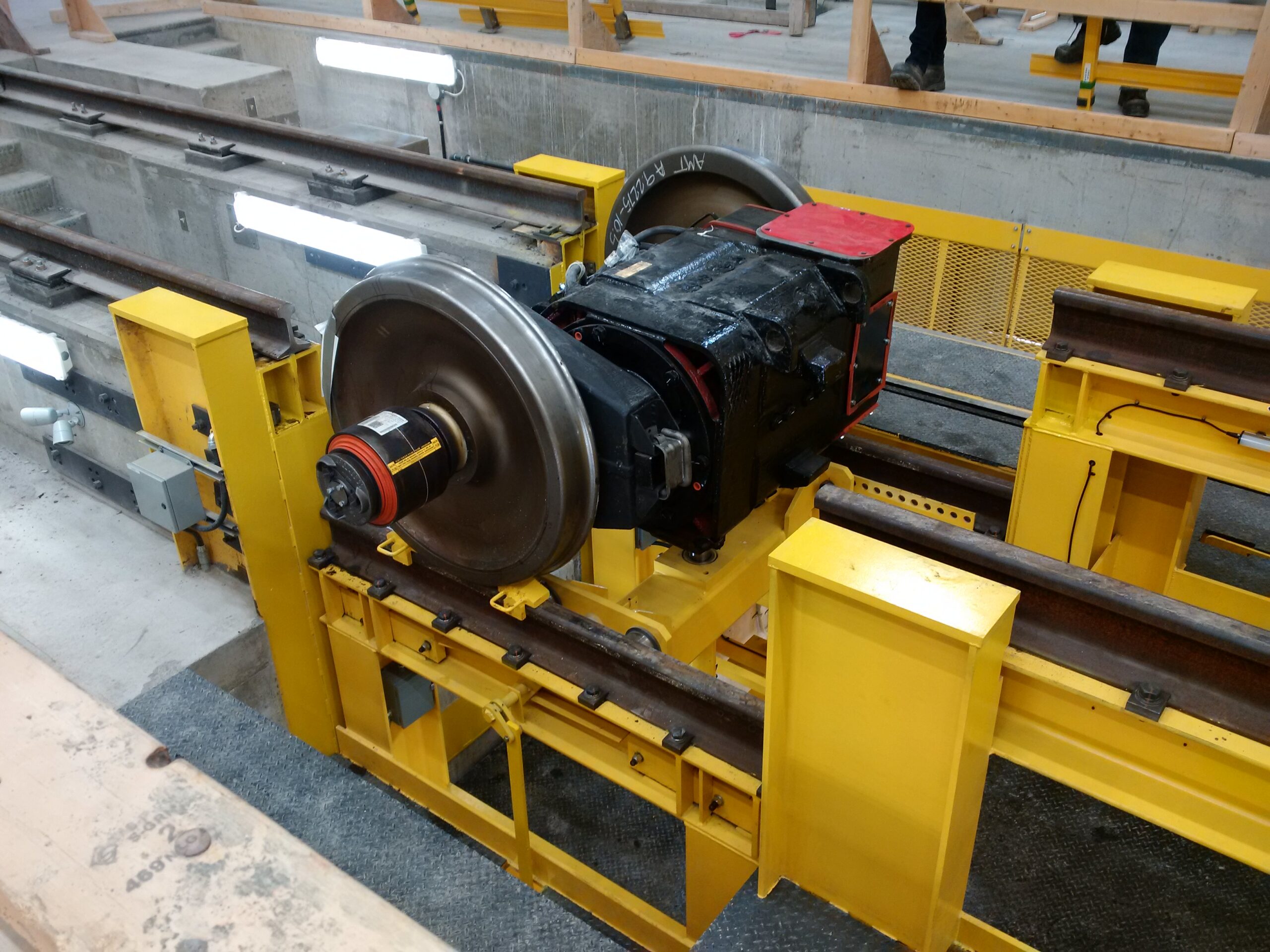
Rail-mounted transfer cars are the gold standard when load capacity and path precision are non-negotiable. Fixed rails eliminate lateral drift, giving you repeatable, millimeter-accurate positioning on every cycle. Handling Specialty notes that that rail-mounted systems provide exceptional stability for extreme loads exceeding 1,000 tons — the kind of figure that immediately rules out forklifts and most alternatives. In practice, any application involving a ladle transfer car carrying molten metal demands this level of structural integrity. There’s simply no margin for error.
Trackless transfer cars take a different approach. By using steerable polyurethane wheels for 360-degree maneuverability, these vehicles adapt to shifting production layouts without the commitment of embedded infrastructure. If your facility reconfigures production cells seasonally or you need cross-aisle movement, trackless systems offer flexibility that fixed rails cannot match.
Power source selection adds another layer to the decision:
- Cable reels — cost-effective for shorter, fixed-path runs; the cable manages itself, but it limits travel distance
- Battery systems — maximum flexibility for trackless cars; requires a charging management plan
- Conductor busbars — continuous power delivery for high-duty-cycle rail applications with no cable management overhead
Existing rail infrastructure is a significant asset worth evaluating before any new installation. If your facility already has embedded rail from legacy equipment, a rail-mounted car can often be engineered to match that gauge — saving considerable civil construction cost. Where no rail exists, the calculus shifts: trackless systems eliminate that upfront infrastructure spend entirely, though they carry higher per-unit equipment costs. The right answer depends on your load profile, path complexity, and how frequently your layout changes. Those factors feed directly into the real-world applications we’ll examine next.
Critical Applications: From Steel Coils to Molten Ladles
Transfer cars earn their place on the production floor by handling loads that no forklift, conveyor, or overhead crane can safely manage alone. Across industries, heavy-duty rail-mounted transfer cars are doing the work that keeps production lines moving — safely, precisely, and at scale.
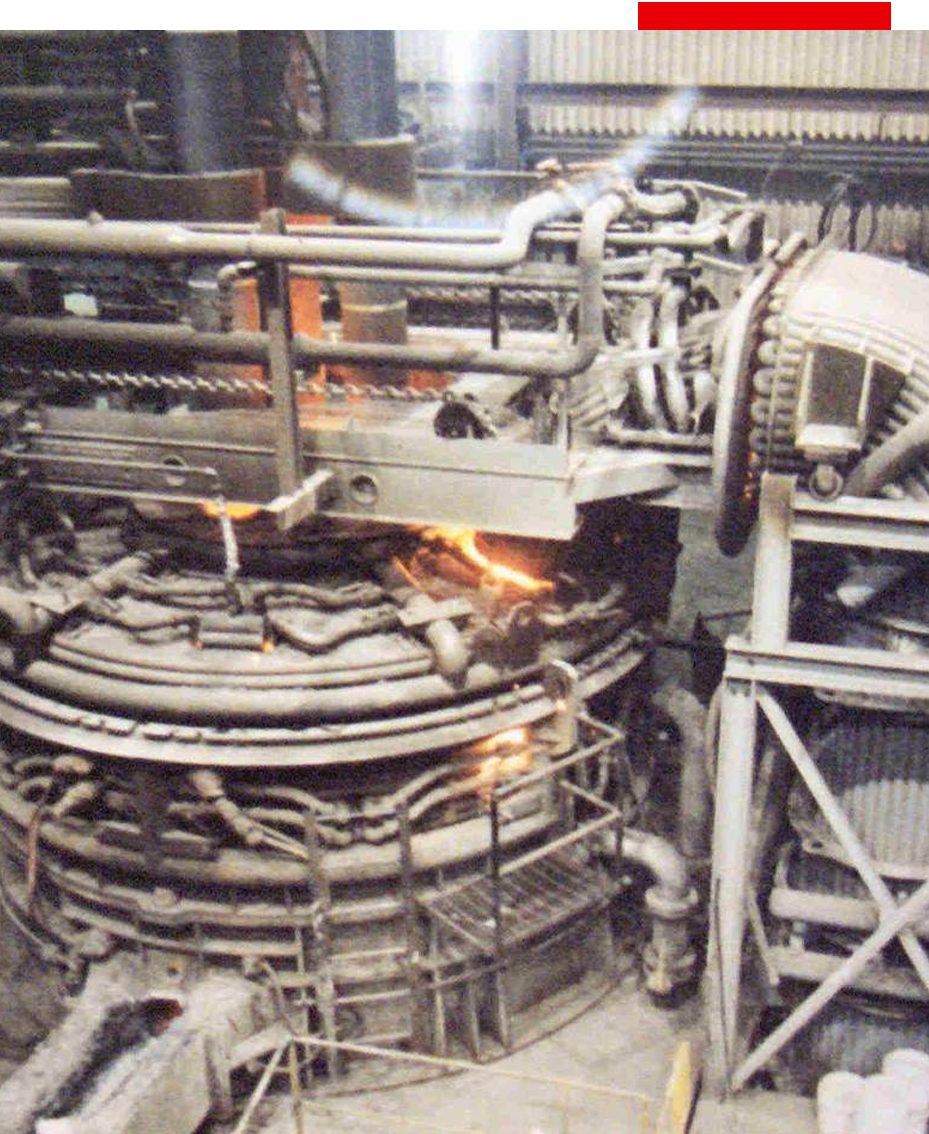
Steel mills represent one of the most demanding environments for transfer cars. Moving heavy coils, slabs, and scrap charge buckets requires vehicles built for both extreme weight and thermal stress. Steel coil transfer cars are essential for moving heavy loads between manufacturing stations — a role that becomes critical when coils weigh tens of thousands of pounds and floor space is tight.
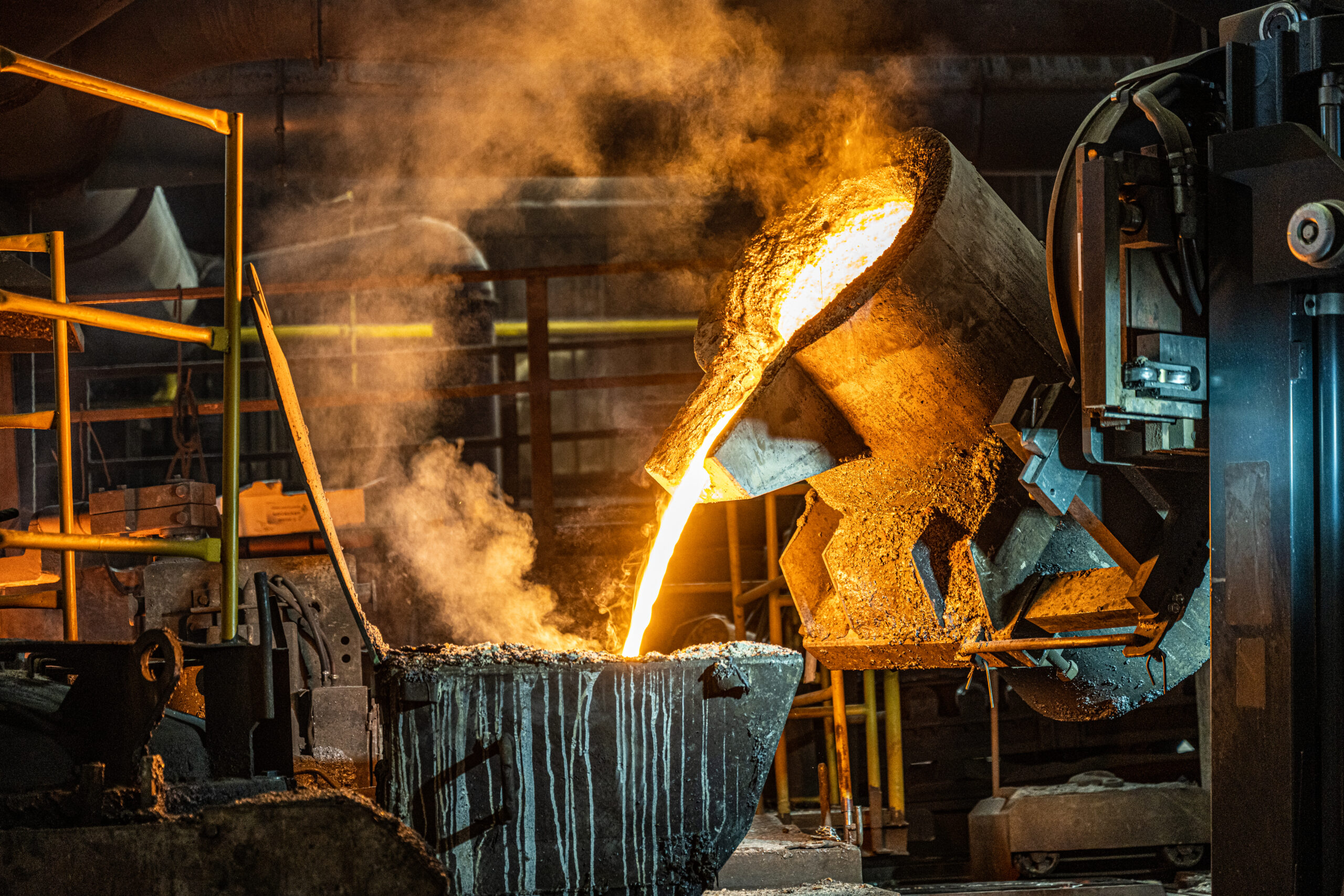
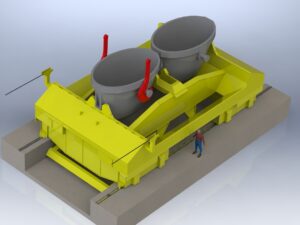
Foundries rely equally on ladle transfer cars to transport vessels of molten metal between furnaces, treatment stations, and pouring areas. The stakes here are obvious: a failed transfer in a foundry isn’t a delay — it’s a safety incident. Precision movement and reliable braking aren’t optional features; they’re engineering requirements.
Automotive and heavy manufacturing plants use transfer cars to shuttle massive dies and molds between press stations — loads that are simply incompatible with standard material handling equipment. And increasingly, modern transfer cars are being integrated into robotic automation systems as mobile transportation conveyors, supporting high-volume palletized workflows with minimal human intervention. That level of integration points to something important: the transfer car’s role is evolving beyond point-A-to-point-B transport — which is exactly where custom engineering enters the picture.
The Custom Engineering Advantage: Whiting’s Integrated Solutions
Custom-engineered transfer cars do far more than move material from point A to point B — they become active participants in the production process itself.
A transfer car can function as a complete metallurgical workstation on wheels. That shift in thinking is what separates a standard transport platform from a purpose-built industrial tool. In foundry and steelmaking environments, the demands placed on these systems go well beyond basic mobility. A coil transfer car must account for load geometry, coil weight distribution, and surface protection — all before a single operational parameter is programmed.
Whiting’s engineering approach addresses this complexity head-on. As Whiting Equipment Canada notes, they “can design the transfer car to be used with bottom pouring ladles, slag raking equipment, up to 90-degree ladle tilting, ladle rotating, lifting and incorporate several options into one car.” That’s not a feature checklist — it’s a recognition that metallurgical workflows rarely fit a single-function machine. When you’re managing molten metal under time pressure, every integrated capability reduces a handoff point where things can go wrong.
Harsh environments demand equally robust engineering answers. Heat shielding protects drive components and controls from radiant furnace heat, while purpose-built structural configurations account for slag accumulation and thermal cycling. And because no two facilities share the same floor layout, duty cycle, or process sequence, the real value lies in solutions designed around your specific production constraints — not adapted from a catalog.
That level of engineered specificity naturally raises a broader question: how do transfer cars compare to the equipment they most commonly replace?
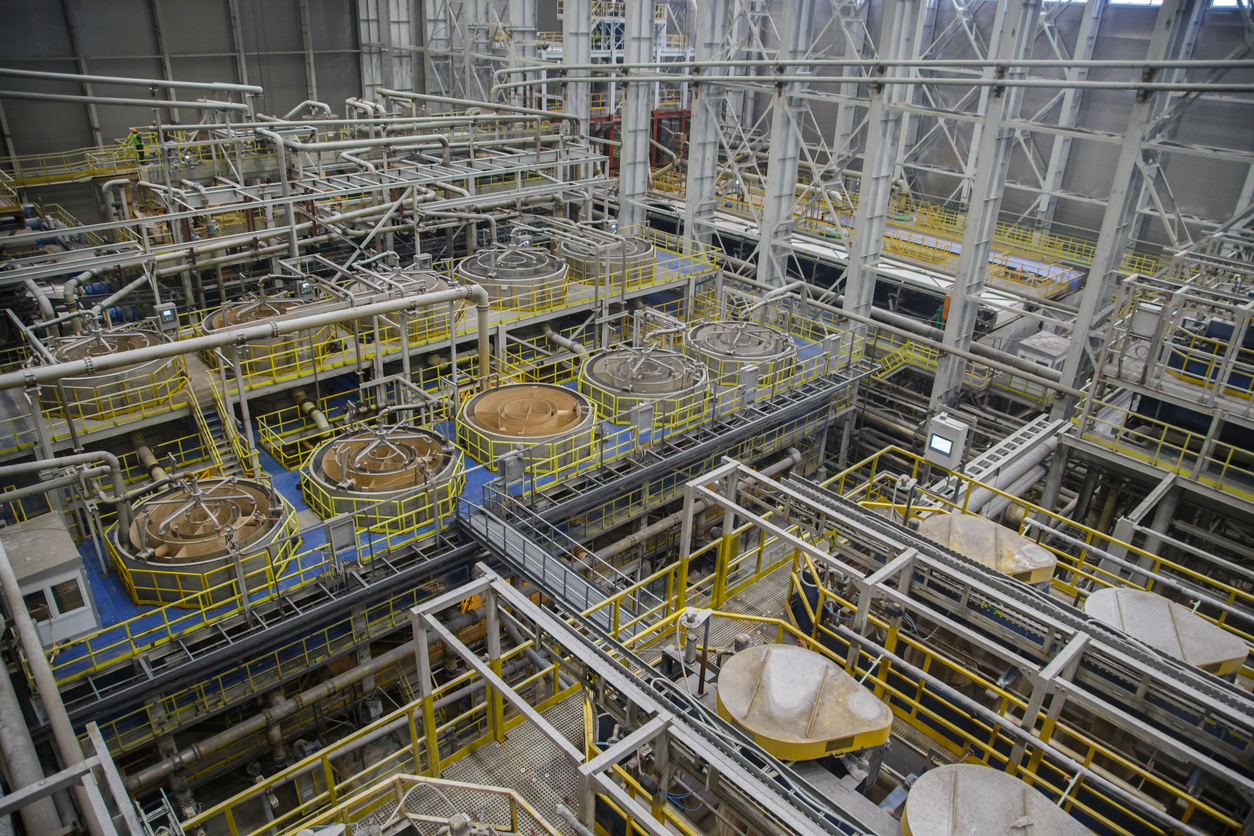
Mining operations is another industry that requires rail-mounted transfer cars to move raw materials from the mine to the surface where they will be processed. Whiting Canada’s partner, Handling Specialty has vast experience in engineering and building these mining rail systems.
Why Transfer Cars Outperform Forklifts in Heavy Industry
When loads exceed what forklifts can safely handle, transfer cars aren’t just a better option — they’re the only option that makes engineering sense.
The forklift ceiling is real. Standard industrial forklifts max out well below the capacity ranges where heavy production demands begin. Above roughly 50 tons, forklift tip-over risk escalates sharply, visibility deteriorates, and the equipment simply wasn’t designed for sustained operation in high-heat or abrasive environments. Heavy-duty transfer carts offer 10 distinct advantages over traditional forklifts, with increased safety for loads over 50 tons topping the list.
Consider where each solution fits:
- The forklift ceiling: Limited capacity, tip-over risk with tall or unbalanced loads, poor visibility around large payloads, rapid wear in foundry or mill environments, and limited automation compatibility.
- The transfer car floor: Rail-guided stability from 1 ton to 300+ tons, low center of gravity, clear operator sightlines, heat-resistant construction, and native PLC integration for automated workflows.
Durability is another differentiator that’s easy to underestimate. A die transfer car operating in a stamping facility, for example, faces continuous abrasion, heavy shock loads, and tight cycle times — conditions that degrade conventional mobile equipment quickly. Transfer cars are purpose-built for exactly that punishment, with hardened structural components and sealed drive systems that hold up where standard forklifts fail prematurely.
And when automation is the goal, transfer cars integrate naturally into PLC-controlled production lines, enabling precise positioning, automated stops, and data logging without retrofitting. That makes them a foundational element of any serious material handling strategy — a point worth considering as you weigh the full picture.
Key Takeaways for Material Handling Strategy
Choosing the right material transport solution starts with understanding where transfer cars fit — and why they’ve become the default choice for heavy industrial loads.
Transfer cars are the primary engineered solution for loads ranging from 1 ton to well over 300 tons, filling the gap that forklifts simply can’t cover. When load capacity and facility safety are non-negotiable, the decision to use a transfer car isn’t really a decision at all — it’s an engineering requirement.
Here’s a quick summary of what this article has covered:
- Load capacity defines the baseline. Transfer cars handle what forklifts can’t, scaling from moderate industrial loads up to the most demanding steel mill and foundry applications.
- Rail-mounted systems maximize stability; a trackless transfer car maximizes flexibility. Rail offers precision and repeatability for fixed production paths. Trackless configurations adapt to facilities where routes shift or floor space is shared.
- Custom engineering unlocks process integration. Features like ladle tilting and slag raking transform transfer cars from passive movers into active production assets — as covered in the custom engineering section above.
- Safety and efficiency gains are measurable. Compared to standard forklifts, transfer cars reduce operator exposure, lower incident risk, and support consistent throughput in high-volume environments.
If you’re still weighing options or need clarity on specific configurations, the next section addresses the most common questions — from power source selection to how transfer cars work with existing facility rail — so you can move forward with confidence.
Frequently Asked Questions About Industrial Transfer Cars
Understanding the essentials of transfer car technology helps you make smarter procurement and integration decisions for your facility.
What is the difference between a transfer car and a transfer cart? The terms are often used interchangeably, but in heavy industrial contexts, “transfer car” typically refers to a rail-guided, high-capacity system engineered for sustained production loads. “Transfer cart” more commonly describes lighter, often wheeled or battery-operated units suited to lower-capacity applications.
Can transfer cars operate on existing facility rail? In many cases, yes. Transfer cars can often be engineered to match existing rail gauges and profiles in older facilities, according to Whiting Equipment Canada, making retrofit integration far more practical than a full infrastructure overhaul.
How are transfer cars powered in high-heat environments? In foundry and steel mill settings, cable reel and festoon systems are common because they eliminate battery exposure to extreme radiant heat. Rail-mounted conductor bar systems are another reliable option where fixed-path routing allows for clean power delivery without thermal degradation risk.
What are the five material transport equipment categories? When mapping your material transport equipment categories, the standard framework covers: conveyors, cranes and hoists, industrial vehicles (including forklifts), automated guided vehicles (AGVs), and rail-guided transfer cars. Each serves a distinct load range and operational profile — and for heavy-duty production, transfer cars consistently represent the most engineered solution at the top of that spectrum.
Contact Whiting today for a comprehensive quote on transfer cars or carts for your industry needs.