


Material handling equipment (MHE) is the mechanical equipment used for the movement, storage, control, and protection of materials throughout manufacturing, MRO, distribution, consumption, and disposal. It ranges from static storage racks to automated guided vehicle systems, functioning as the physical infrastructure that moves raw input through production and out as finished goods.
The clearest answer to what is material handling equipment starts with a distinction procurement teams often blur. In the material handling vs logistics comparison, logistics is the planning layer: routing, scheduling, inventory strategy. MHE is the execution layer: the steel, hydraulics, and controls that make the plan physically possible inside the four walls of a plant.
The scale of that execution layer is substantial.
Growth of that magnitude is pulling heavy industry away from catalog purchasing. Foundries, chemical processors, and rail operations increasingly specify engineered solutions built to a measured duty cycle rather than off-the-shelf units adapted after the fact.
The Four Pillars of MHE: From Storage to Industrial Positioning
Procurement becomes far more manageable when equipment is organized into the four categories the industry recognizes. Each pillar carries a different capital profile, maintenance burden, and safety exposure.
Storage and Handling Equipment This covers the static assets: pallet racking, cantilever racks, mezzanines, shelving, bins, and silos. It holds no moving parts in most configurations, but floor-load ratings and seismic anchoring determine whether the rest of the system can operate safely around it.
Engineered Systems Automated storage and retrieval systems (AS/RS), conveyor networks, sortation lines, AGVs, and robotic palletizers fall here. These are designed as integrated units rather than individual machines, and they typically carry the longest lead times and the highest return on throughput.
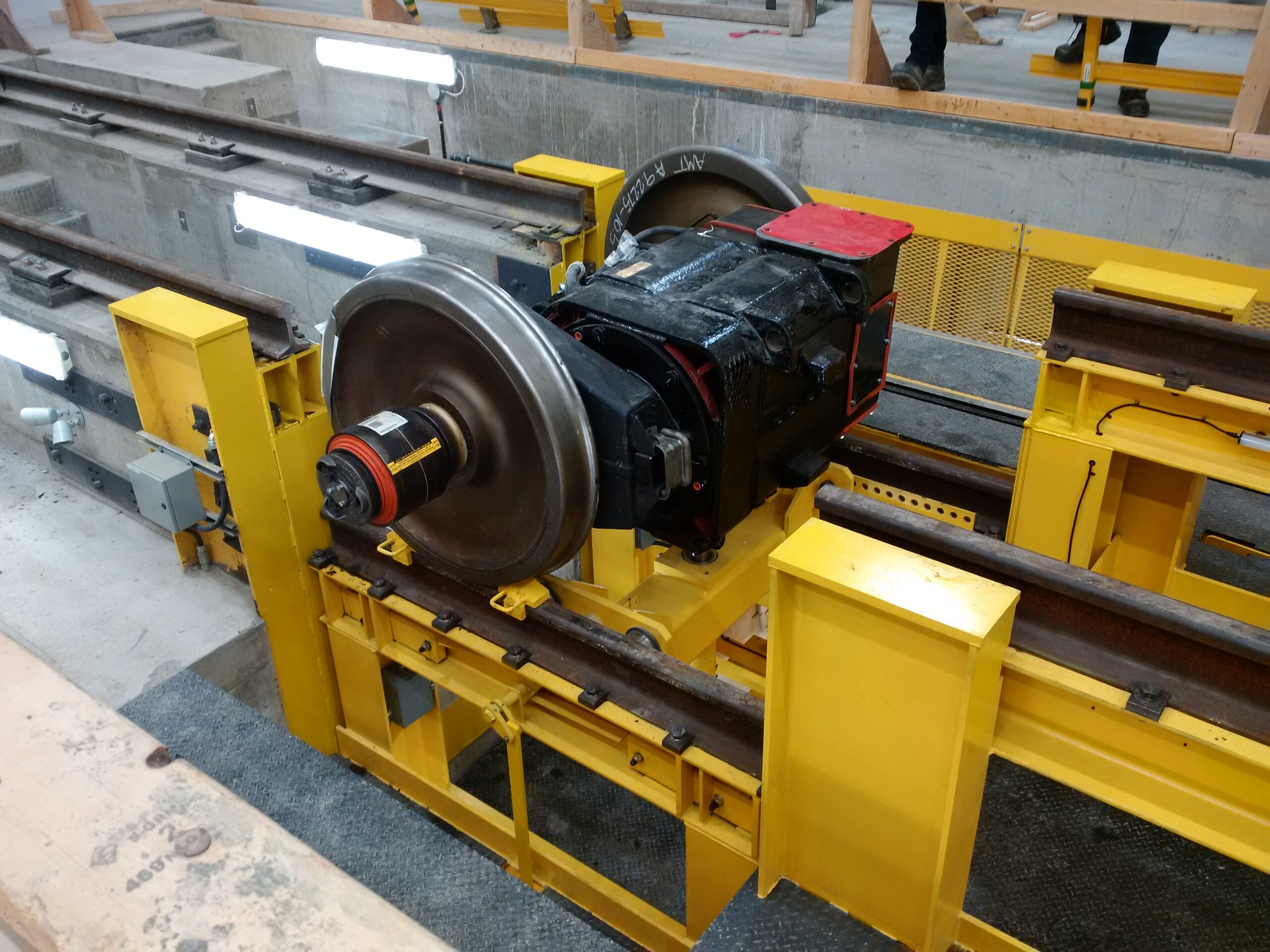
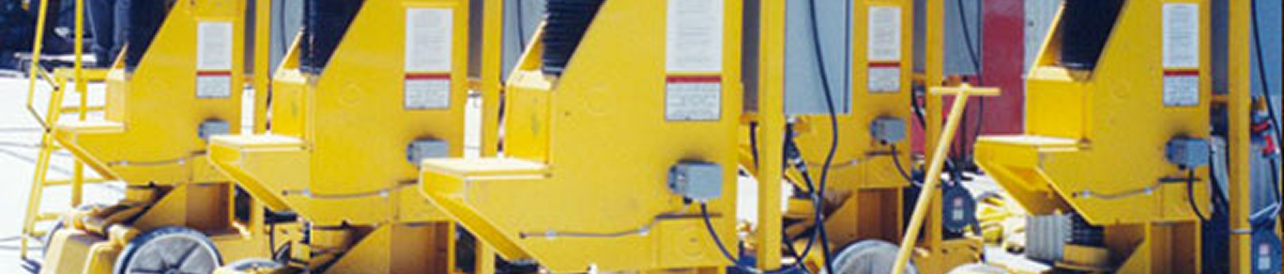
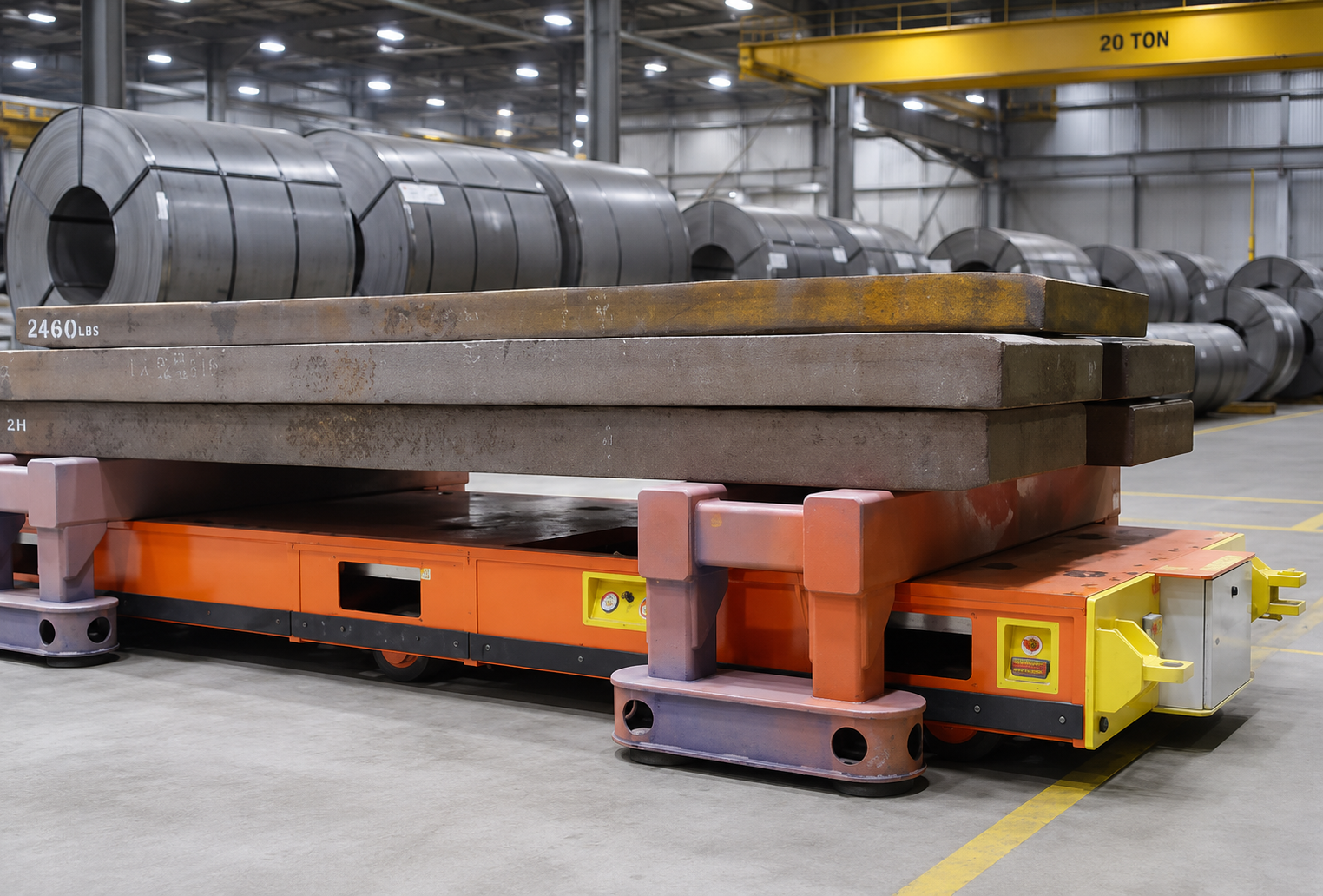
Industrial Trucks Automated Guided Vehicles, Forklifts, reach trucks, order pickers, and railcar movers sit in this pillar. A pallet truck used for short-haul floor transfers handles a fundamentally different duty cycle than a counterbalance lift feeding a furnace line.
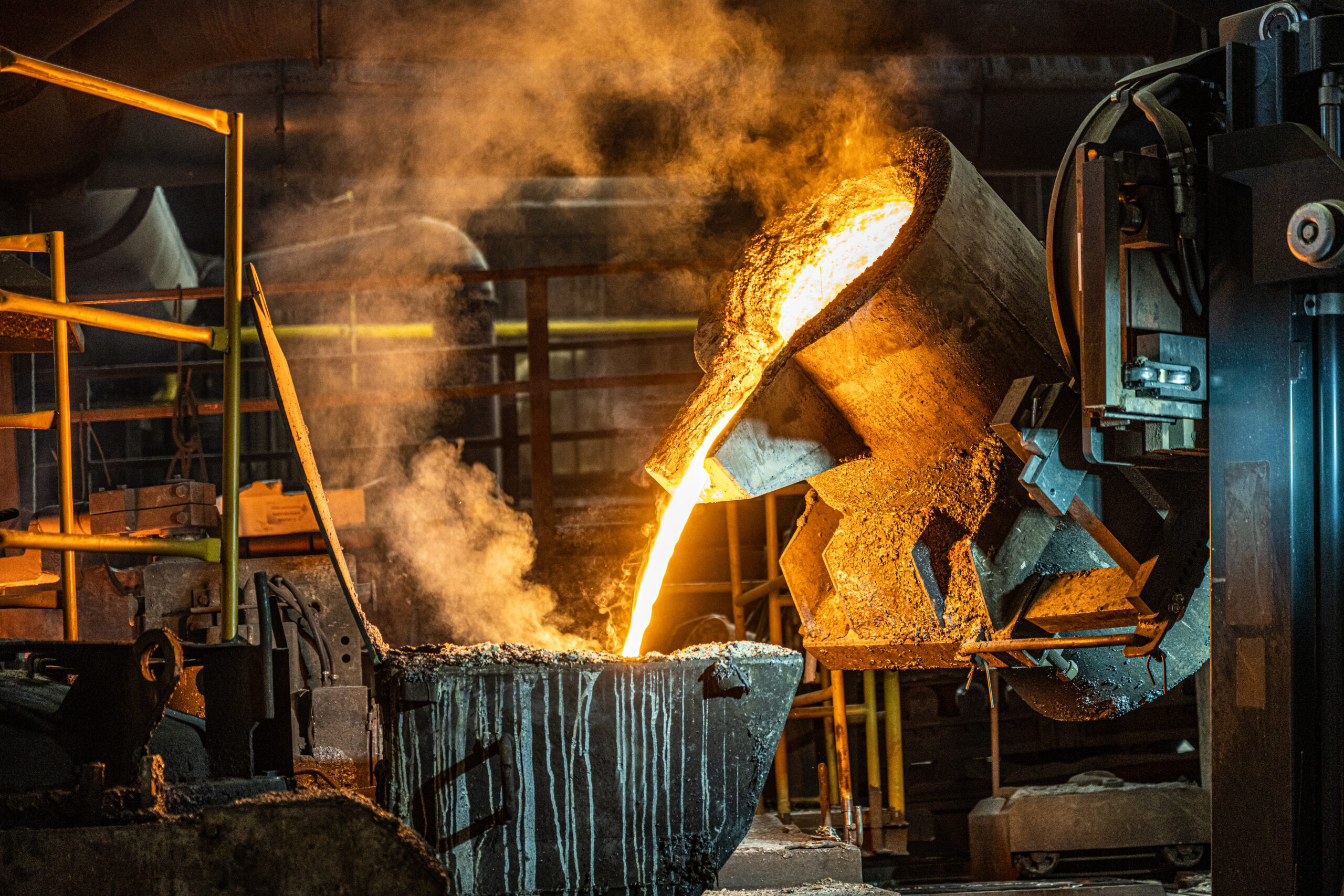
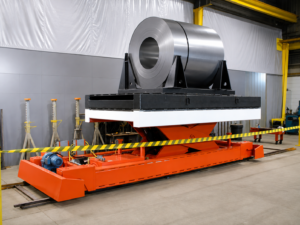
Bulk Material Handling Equipment for unpackaged materials — ores, grains, slurries, molten metal, and process liquids — including transfer cars, hoppers, bucket elevators, ladles, and pneumatic conveying.
Why Heavy-Duty MHE is Essential for Harsh Environments
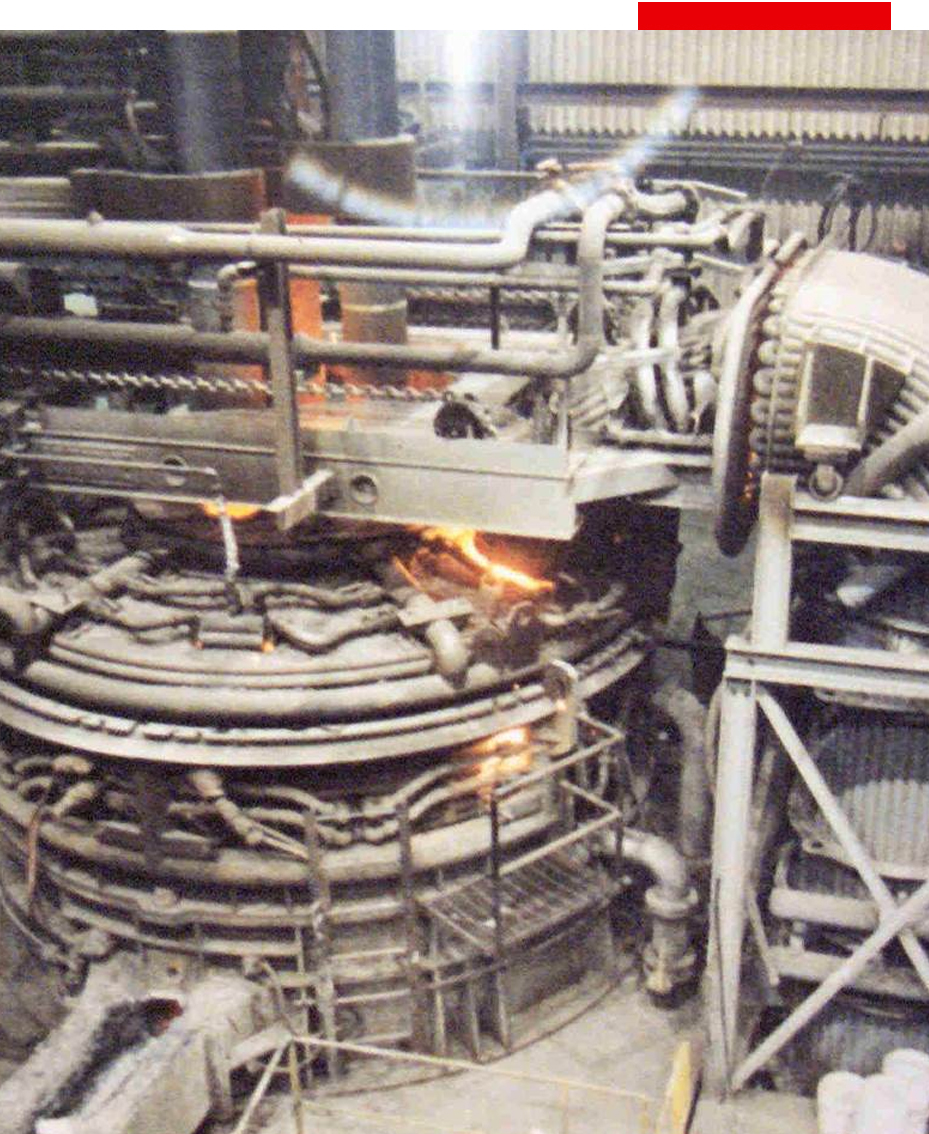
Standard warehouse equipment is engineered for a predictable envelope: ambient temperature, dry air, clean concrete. Move that same unit into a foundry aisle, a plating line, or a solvent storage area and the failure modes arrive fast. Seals degrade under radiant heat, bearings pack with abrasive dust, and electrical enclosures corrode from acid vapor long before the nameplate service life is reached.
Harsh-duty applications call for specification changes at the design stage rather than field retrofits. Explosion-proof AGVs and scissor lifts built to EX ratings are the clearest example; in atmospheres carrying flammable vapor or combustible dust, every potential ignition source has to be contained or eliminated. Facility managers evaluating options frequently start by comparing explosion-proof MHE models suited to their classification, then move to heat shielding, corrosion-resistant ladle assemblies, and sealed drive systems.
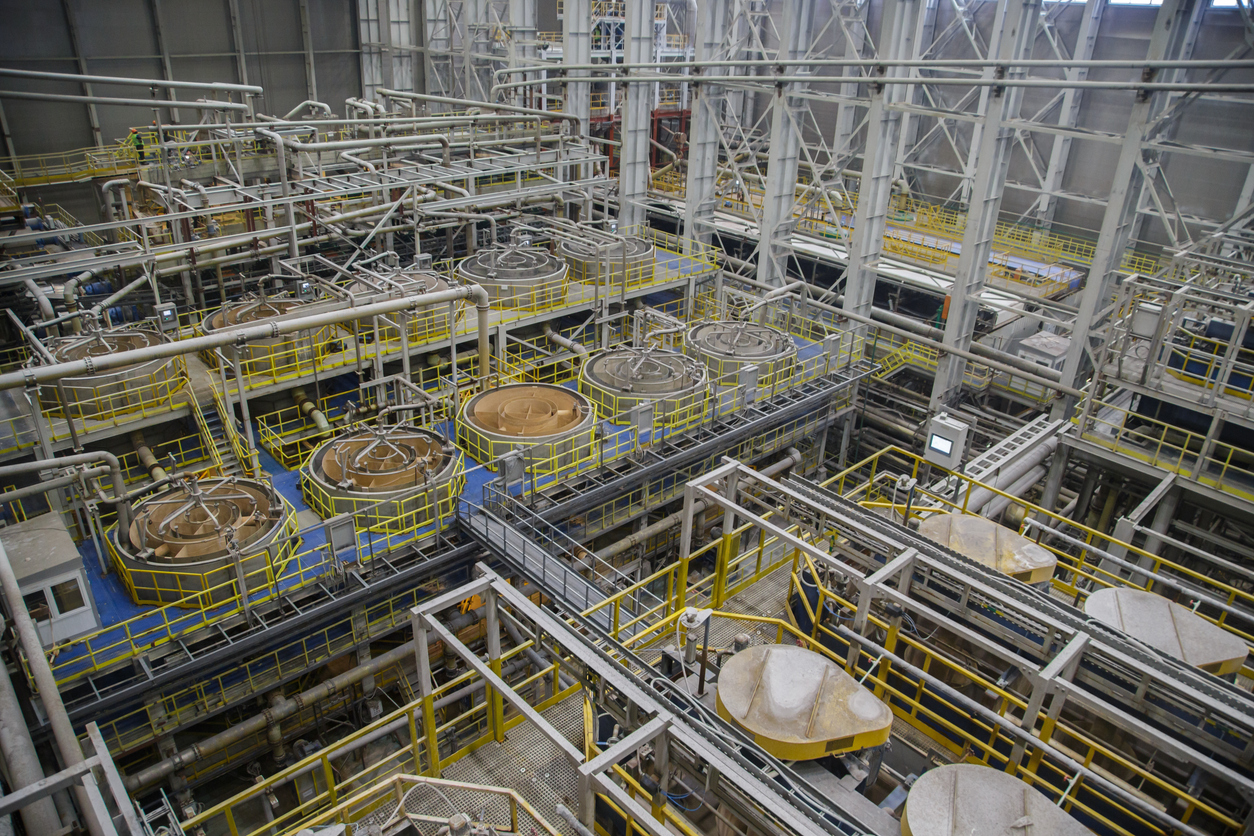
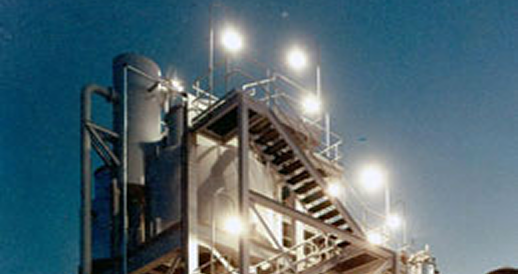
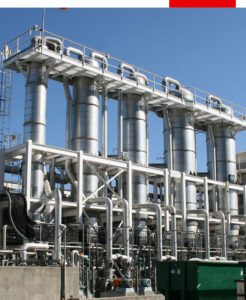
Process industries extend the definition further. Evaporators, crystallizers, and transfer vessels move and transform material just as a conveyor does, which places them squarely within industrial material handling systems rather than outside them. Treating process equipment and transport equipment as one engineered program, specified together, maintained together is what keeps throughput stable in environments that punish generic hardware.
The Human Element: MHE Operators and Safety Standards
An MHE operator is a certified specialist, not general labor. Running a counterbalance forklift near a molten metal pour, positioning a railcar mover against loaded hoppers, or controlling an AS/RS interface requires documented competence in load dynamics, stability triangles, and site-specific hazard protocols. Facilities that staff these roles as interchangeable headcount absorb the cost in damaged product, downtime, and incident investigations.
Certification operates on two levels. OSHA-compliant powered industrial truck training establishes the baseline, covering pre-shift inspection, load capacity limits, and pedestrian separation. Facility-specific certification layers on top of that: the particular equipment configurations, aisle geometry, atmospheric classifications, and emergency procedures that exist only at that site. Both require periodic reevaluation, and both should be tied to the equipment a given operator is actually authorized to run.
Displacing manual material handling (MMH) with engineered equipment delivers measurable safety returns:
- Reduced lifting, twisting, and carrying exposure that drives musculoskeletal injury claims
- Fewer pinch-point and crush incidents through controlled, mechanized load placement
- Lower pedestrian-vehicle conflict when travel paths are engineered rather than improvised
- Consistent load handling that protects both personnel and product integrity
- Clearer accountability, since certified operators work to documented procedures
Strategic Procurement: Choosing the Right System for 2026
Capital equipment decisions made without a site audit tend to surface as retrofit costs within 18 months. Work through the following before issuing a specification.
Verify floor load capacity and slab condition. Racking uprights, heavy lift trucks, and transfer cars concentrate loads at specific points. Confirm the slab rating against point loading, not just distributed weight.
Measure clear ceiling height and obstruction lines. Sprinkler heads, ductwork, and crane rails routinely eliminate vertical lift options that looked viable on paper.
Plan infrastructure before fleet selection. An electric automated guided vehicle fleet needs dedicated charging stations, ventilation for battery gassing, and panel capacity. Internal combustion equipment needs exhaust management and fuel storage compliance instead. These are facility projects, not accessories.
Classify the atmosphere. Dust, vapor, and corrosive exposure determine whether standard, sealed, or EX-rated equipment is permissible.
Build for fulfillment growth. With the picking and order fulfillment segment forecast to grow at a CAGR of 8.63% through 2034, systems specified today should accommodate higher pick rates and automation tie-ins without structural rework.
Model total cost of ownership. Include parts availability, service response time, and operator training alongside purchase price.
What You Need to Know: Key Takeaways for Facility Leaders
The core points facility managers and procurement officers should carry into their next capital planning cycle:
- MHE is a major capital category, not an accessory spend. The market is projected to reach USD 407.8 billion by 2033, reflecting how central this equipment has become to e-commerce fulfillment and heavy manufacturing alike. Budget treatment should match that reality.
- Safety outcomes and throughput move together. Engineered systems reduce manual handling exposure while raising cycle consistency. Facilities that pursue one typically gain the other.
- Customization is mandatory in harsh environments. Foundries, chemical plants, and rail operations need equipment specified to the atmosphere, temperature, and duty cycle present on site. Off-the-shelf units fail early under those conditions.
- Operator certification is a compliance floor, not a differentiator. OSHA-aligned training plus site-specific authorization must be documented and current for every powered industrial truck in service.
- Infrastructure determines fleet options. Floor ratings, ceiling clearance, charging capacity, and ventilation constrain what can actually be installed. Audit the building before selecting the equipment.
Partnering with Whiting for Engineered Material Handling Excellence
Whiting builds for the environments where standard equipment doesn’t survive. Custom evaporators and crystallizers for process industries, railcar movers sized to actual switching loads, and ladles engineered for molten metal service represent the harder end of material handling. These are applications where the specification has to account for thermal cycling, corrosive exposure, and continuous duty rather than intermittent factory use.
That experience matters most at the design stage. Whiting’s engineers work from site conditions: slab capacity, atmospheric classification, existing crane and conveyor interfaces, and the throughput targets the system needs to sustain. The result is equipment that integrates with what’s already installed instead of forcing a facility to work around a catalog product’s limitations.
For plants modernizing aging fleets or planning new installations, a structured audit of current material handling assets identifies where capacity is being lost, where safety exposure is concentrated, and where engineered replacements deliver the clearest return.