


What Is a Railcar Mover? A Complete Guide to How They Work and Why They Matter
Introduction: The Essential Link in the Modern Supply Chain
The efficiency of a supply chain in industrial logistics is often dictated not by the speed of main-line freight trains, but by what happens at the final mile—the private sidings and loading docks. Rail yards frequently become the ultimate bottleneck in rail transport, where antiquated processes and equipment failures lead to costly delays. Enter the railcar mover: the unsung hero of modern logistics. Designed to navigate the complexities of confined spaces and demanding schedules, these specialized vehicles bridge the gap between heavy-duty locomotives and local yard operations. This guide explores the mechanics, regulatory landscape, and strategic value of railcar movers, positioning them as an indispensable asset for any facility manager overseeing rail-dependent operations.
Defining the Railcar Mover
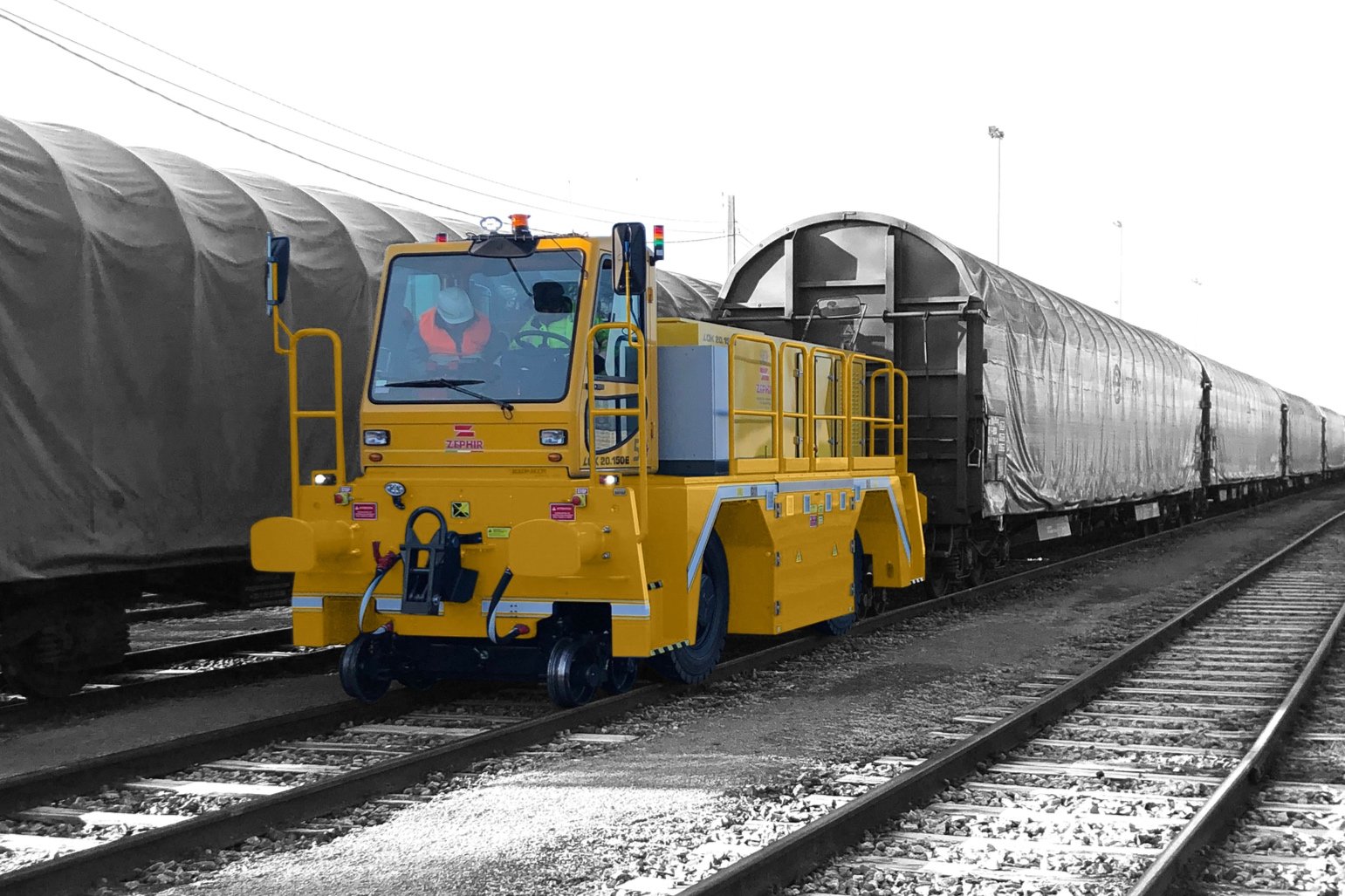
A railcar mover is a versatile, self-propelled vehicle engineered for the precise positioning and shunting of railcars within private industrial tracks. Unlike massive, long-haul locomotives that operate on open-line networks, these units are purpose-built for the unique demands of localized rail logistics. Whether they are wheeled units that can transition onto tracks or specialized rail-only machines, they act as the connective tissue that keeps commodities flowing from manufacturing, mining, and storage facilities into the broader rail network.
Why Rail Logistics Depends on Precision Movement
In environments like chemical manufacturing or grain distribution, precision is a requirement, not a suggestion. A railcar must be positioned exactly beneath a loading spout or unloading gate to prevent spills, maximize throughput, and ensure safety. Traditional locomotives are often too large, expensive to operate, and difficult to maneuver for these specific tasks. Railcar movers provide the dexterity required to manage individual railcars or small cuts, ensuring that facilities maintain maximum productivity without the overhead of heavy-duty, mainline equipment.
Railcar Movers vs. Traditional Locomotives: Understanding the Difference
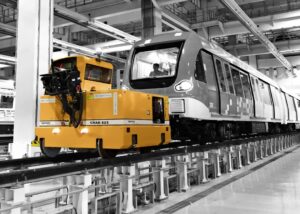
While both railcar movers and locomotives are designed to move rail freight, they serve distinct operational needs. Locomotives are designed for high-speed, long-distance haulage across thousands of miles of railroad tracks. They carry significant operational costs, require specialized crews, and demand extensive track infrastructure maintenance. In contrast, railcar movers are utility-focused machines optimized for short-distance, low-speed maneuvers within private rail yards.
Versatility and the Bimodal Advantage
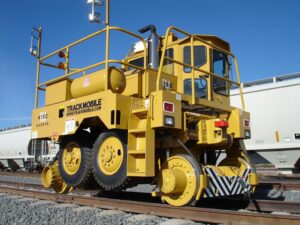
The bimodal advantage: Railcar movers can seamlessly transition from road to rail by lowering their retractable steel wheels, allowing for unmatched maneuverability in rail yards.
The hallmark of modern mobile railcar movers—often represented by industry leaders like Trackmobile or BOSS—is their bimodal flexibility. These road-rail vehicles utilize a set of retractable steel rail wheels alongside pneumatic rubber tires. This allows the machine to drive onto a crossing, lower its rail wheels, and begin shunting operations instantly. When work is finished, the vehicle can retract its rail gear and drive off the tracks to clear the way for road vehicles or other yard equipment. This adaptability minimizes track occupation time and maximizes overall facility agility.
Cost of Ownership: Maintenance, Fuel, and Operational Overhead
For most private facilities, owning a main-line locomotive is economically unjustifiable. Maintenance costs, crew certification requirements, and massive fuel consumption make locomotives inefficient for simple yard duties. Railcar movers significantly lower the total cost of ownership by reducing the physical footprint of the equipment, decreasing fuel consumption through optimized engines, and allowing for simplified maintenance schedules. By replacing a locomotive with a dedicated mover, facilities often see a return on investment within the first few years of operation through reduced idle times and lower energy expenses.
Regulatory Distinctions: When 49 CFR 229.9 and 232.9 Apply
A critical distinction for facility managers is the regulatory burden associated with their fleet. While a full-scale locomotive must strictly adhere to the rigorous requirements outlined in 49 CFR 229 and 232—covering everything from periodic inspections to complex brake testing—railcar movers often operate under different, more streamlined criteria. However, ignoring these regulations is a recipe for disaster. Understanding the nuances between “locomotive” and “industrial plant equipment” in the eyes of federal regulators is essential for avoiding catastrophic fines and ensuring legal compliance during site audits.
How Railcar Movers Work: The Mechanics of Tractive Effort
The ability of a small vehicle to move hundreds of tons of freight can seem counterintuitive. The secret lies in the physics of tractive effort and weight transfer.
The Science of Weight Transfer
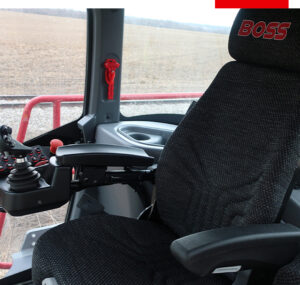
Railcar movers do not rely solely on their own mass to generate pulling power. Instead, they use a weight-transfer system. By hydraulically lifting a portion of the coupled railcar’s weight and transferring that load onto the mover’s own rail wheels, the machine increases its downward force, and consequently, its coefficient of friction against the rail. This increased adhesion allows a machine weighing only a fraction of a locomotive to exert the necessary torque to start and move heavy loads across steel rails.
Steel Wheel Technology vs. Road-Rail Flexibility
The interaction between wheel and rail is the foundation of rail transport. Steel-on-steel contact provides excellent load-bearing capacity and efficiency, but the bimodal design of modern movers adds a layer of complexity. Manufacturers must balance the need for high-friction rubber tires (for road mobility) with the durability of steel rail wheels. Modern engineering has perfected this balance, allowing these vehicles to operate effectively in varying climate conditions without compromising the structural integrity of the railroad tracks.
Powering the Pull: Diesel-Mechanical vs. Electric-Driven Railcar Movers
The industry is currently witnessing a transition in power delivery. Historically, diesel-mechanical and diesel-hydraulic systems have dominated the market due to their reliability in remote locations. However, as environmental regulations tighten and maintenance costs rise, electric-driven railcar movers are gaining traction. These units offer cleaner operations, lower noise pollution, and instant torque delivery, which is ideal for the stop-and-start nature of yard shunting.
Advanced Features and Modern Technology in Railcare Moving
The digital revolution has not bypassed the rail yard. Modern movers are equipped with sophisticated systems that enhance both performance and operator safety.
The Role of PLC Controls and HMI Interfaces
Programmable Logic Controllers (PLCs) have replaced complex mechanical linkages in modern movers. These systems monitor engine temperature, hydraulic pressure, and tractive output in real-time. Paired with Human-Machine Interfaces (HMI), operators can now visualize the status of the entire machine through a digital dashboard. This transparency allows for predictive maintenance, where potential mechanical failures are identified before they lead to downtime.
Remote Control Operations for Enhanced Precision
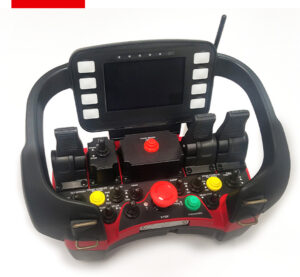
Remote control technology has revolutionized rail yard safety. By allowing the operator to stand outside the cab—at the point of coupling or the location of the load—the line of sight is significantly improved. This eliminates blind spots and ensures that the operator is never in a position of risk during the coupling process. Remote control also permits more precise “spotting” of cars, essential for industries where loading accuracy determines product quality.
Automated Air Brake Integration for Safety and Control
Modern movers integrate seamlessly with the railcar’s own air brake systems. By maintaining consistent air pressure throughout the train line, the mover can perform emergency stops or controlled braking with the same precision as a full-scale engine. This integration is vital for safely moving heavy loads on inclined tracks or in high-traffic zones where rapid stops are occasionally required.
The Strategic Business Case: Why Railcar Movers Matter to Your Bottom Line
Adopting the right shunting equipment is a strategic decision that touches every aspect of facility profitability.
Improving Cycle Times in Loadout and Receiving Facilities
Every minute a railcar sits idle in a yard is a minute of lost potential revenue. Railcar movers streamline the “cycle time”—the duration it takes to retrieve, position, load, and return a car to the interchange. By reducing the number of steps in the moving process and enabling faster transitions, facilities can handle more shipments with fewer resources, directly increasing throughput and operational capacity.
Scaling Operations: From Small Sidings to Major Intermodal Ports
Railcar movers are highly scalable. A small manufacturing plant might require a single, compact unit, while a large intermodal terminal may deploy a fleet of high-capacity movers to manage complex yard logistics. This modular approach allows businesses to scale their equipment alongside their growth, avoiding the “one size fits all” trap that leads to massive over-investment in underutilized assets.
Sustainability Goals: The Shift to Battery-Powered and Hybrid Shunters
As corporate ESG (Environmental, Social, and Governance) targets become more rigorous, the shift to electric and hybrid shunters is not just a technological upgrade; it is a business imperative. Reducing a facility’s carbon footprint by replacing aging diesel engines with high-efficiency electric alternatives can provide significant tax advantages and improve a company’s public standing, all while reducing long-term energy costs.
Critical Safety Standards and Risk Mitigation
Safety is the absolute priority in any rail environment. The potential for injury in rail yards is high, making the design of the equipment paramount.
Reducing Rail Yard Injuries through Modern Equipment Design
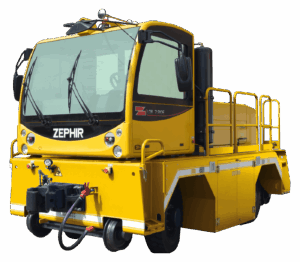
Ergonomics and visibility are at the forefront of modern design. Features such as non-slip walking surfaces, full 360-degree camera systems, and well-positioned handrails minimize the risks associated with boarding and disembarking. By keeping the operator aware of their surroundings and ensuring the equipment remains stable under load, the likelihood of human error is significantly reduced.
OSHA Compliance and 29 CFR 1917.17 Standards
For facilities handling marine terminal operations or heavy industrial work, compliance with 29 CFR 1917.17 is non-negotiable. This standard dictates the safe operation of railcars and the equipment used to move them. Utilizing equipment that is purpose-built to exceed these standards is a proactive strategy that protects both the workforce and the organization from liability.
Operating in Hazardous Duty Locations: Specialized Safety Features
In chemical or oil-and-gas environments, the risk of fire or explosion requires specialized equipment. “Hazardous duty” or “explosion-proof” variants of railcar movers are engineered with protected electrical systems, spark arrestors, and enclosed batteries to ensure safe operation in environments where flammable gases or dust are present.
Key Applications Across Major Industries
Manufacturing and Chemical Manufacturing Plants
In the chemical sector, precision is critical. Movers allow these facilities to adhere to strict safety protocols while managing hazardous materials. Their compact size allows them to navigate tight facility layouts that would be impassable for full-size locomotives.
High-Volume Mining Operations and Iron Ore Mines
Mining environments are notoriously tough on equipment. Ruggedized railcar movers are required to operate 24/7 in extreme conditions, from dusty, high-heat environments to frozen climates. The reliability of these machines is what keeps the ore moving from the extraction site to the rail network, preventing costly downtime in the supply chain.
Grain Elevators and Bulk Material Handling
Grain handling requires a steady, rhythmic flow of railcars to meet tight shipping windows. Railcar movers enable these facilities to maintain a consistent speed during loading, ensuring that each railcar is filled to its exact capacity without the surging movements that characterize poorly managed rail logistics.
Selecting the Right Equipment: A Facility Manager’s Decision Matrix
Choosing the right mover requires a comprehensive evaluation of facility needs.
Assessing Track Geometry and Tonnage Requirements
Before purchasing, managers must analyze their facility’s specific track geometry—curve radii, gradients, and track length. Furthermore, understanding the total tonnage being moved is vital for selecting a machine with the correct tractive effort rating. Overestimating or underestimating these needs can result in either wasted capital or constant mechanical failures. When in doubt, consulting with experts—or using a specialized contact form on a manufacturer’s site—can provide the necessary guidance to ensure that the chosen equipment aligns with your long-term operational goals.
Conclusion
The railcar mover is far more than a simple machine; it is the fundamental component that allows private facilities to integrate seamlessly with the nation’s rail transport network. By prioritizing safety, understanding the mechanics of tractive effort, and leveraging modern technologies like PLC-controlled interfaces and electric drivetrains, facility managers can turn their rail sidings into high-efficiency centers of logistics. Whether your operation is in manufacturing, mining, or grain handling, investing in the right railcar mover is a decisive step toward better cycle times, lower operational costs, and a safer working environment. As industry standards evolve and the demand for smarter logistics grows, staying informed on the latest developments in this space will remain a top priority for competitive organizations. For those ready to optimize their rail logistics, the next logical step is an audit of your current yard efficiency to identify exactly where a modern mover can drive immediate, measurable improvement.