
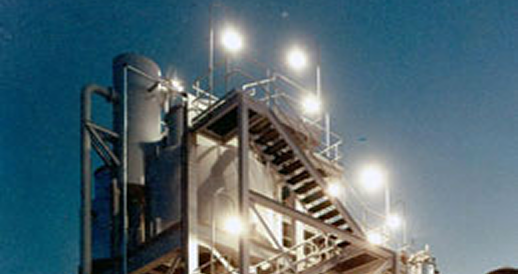

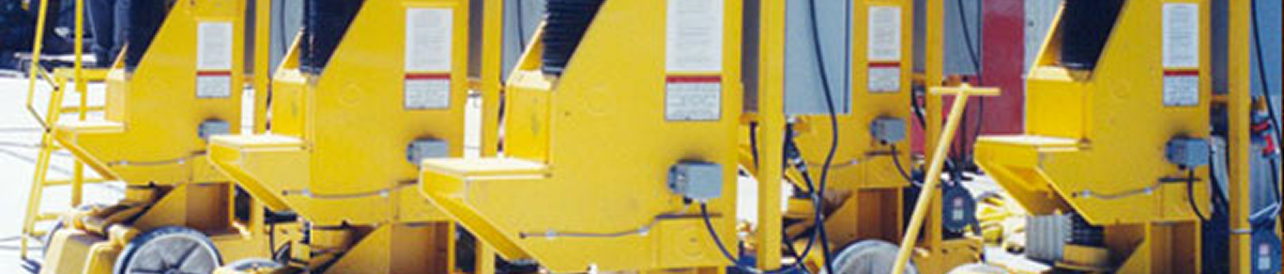


EAF Furnace Transformer Sizing: From MVA to Tap to Tap
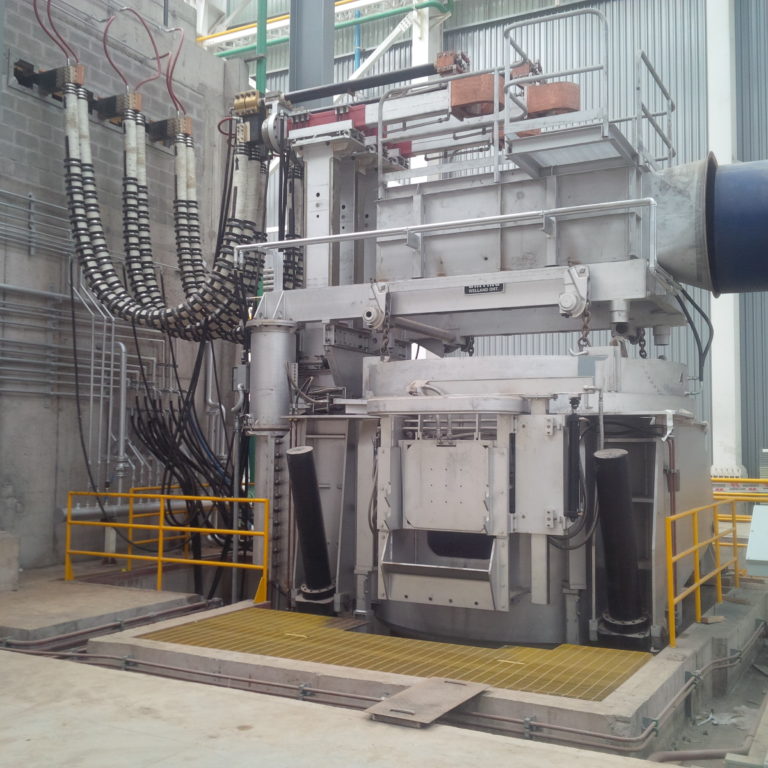
EAF Furnace Transformer Sizing Guide Choosing the correct EAF furnace transformer determines not only how quickly a melt can be completed but also how efficiently, safely, and economically the furnace will run for decades to come. Transformer sizing directly controls tap-to-tap time, electrode stability, and long-term maintenance costs. This EAF furnace transformer sizing guide outlines […]
Sodium Sulfate & Impurity Management: Waste Minimization Options

By-Product Sources Every lithium refining stream — whether brine, hard rock, or clay — contains impurities that must be separated to produce a high-purity product. Among these impurities, sodium sulfate (Na₂SO₄) is one of the most common by-products. Rather than being treated purely as a waste liability, sodium sulfate can be recovered and managed strategically. […]
Mother Liquor Recovery: More Yield, Less Waste

Recovering Mother Liquor for Yield & Sustainability In every crystallization system, a portion of the desired product remains dissolved in the mother liquor — the liquid left behind after solids are separated. Recovering that stream is one of the most direct ways to boost yield, reduce waste, and cut energy and reagent costs. For lithium […]
Inline Analytics for Lithium Refining: What to Measure (and Why)

Inline Analytics in Lithium Refining Producing high-purity, battery-grade lithium relies on precise process monitoring and control. Inline analytics are central to this effort because they enable operators to measure and control key quality indicators in real-time, rather than relying solely on offline laboratory analysis. The following parameters are essential: Purity and Yield At the heart […]
Converter Tilt & Drive Upgrades: Safety and Uptime First
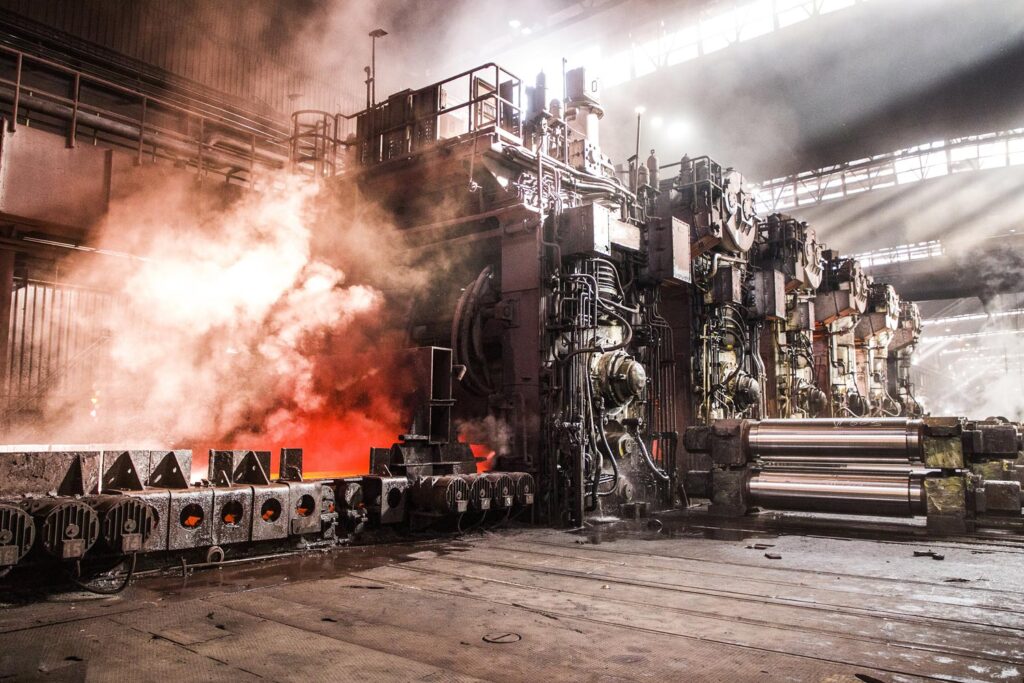
AOD Tilt/Drive Upgrade Guide Tilting is one of the highest-risk, highest-uptime-impact functions in an argon-oxygen decarburization (AOD) converter. Every heat requires precise, smooth, and reliable tilt control for blowing, sampling, temperature checks, slag removal, and tapping. A single failure in the tilt system can stop production instantly—and when a vessel is full of molten steel, […]
Removing Mg/Ca Before Crystallization: Better Lithium, Fewer Headaches
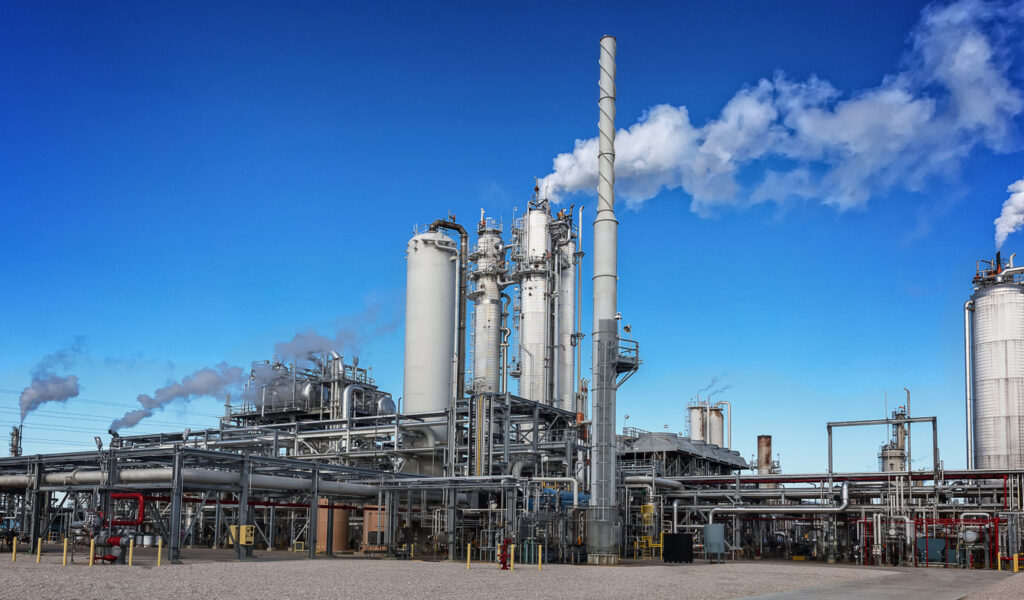
Impurity Removal (Mg/Ca) Prior to Crystallization When refining lithium from brines, the presence of divalent cations, such as magnesium (Mg²⁺) and calcium (Ca²⁺), poses a persistent challenge. These ions interfere with crystallization, contribute to scaling, and reduce product purity. Left unchecked, they complicate downstream lithium carbonate or hydroxide crystallization, leading to operational headaches, increased reagent […]
Ladle Transfer Cars: Specifying Duty Cycles & Safety Systems
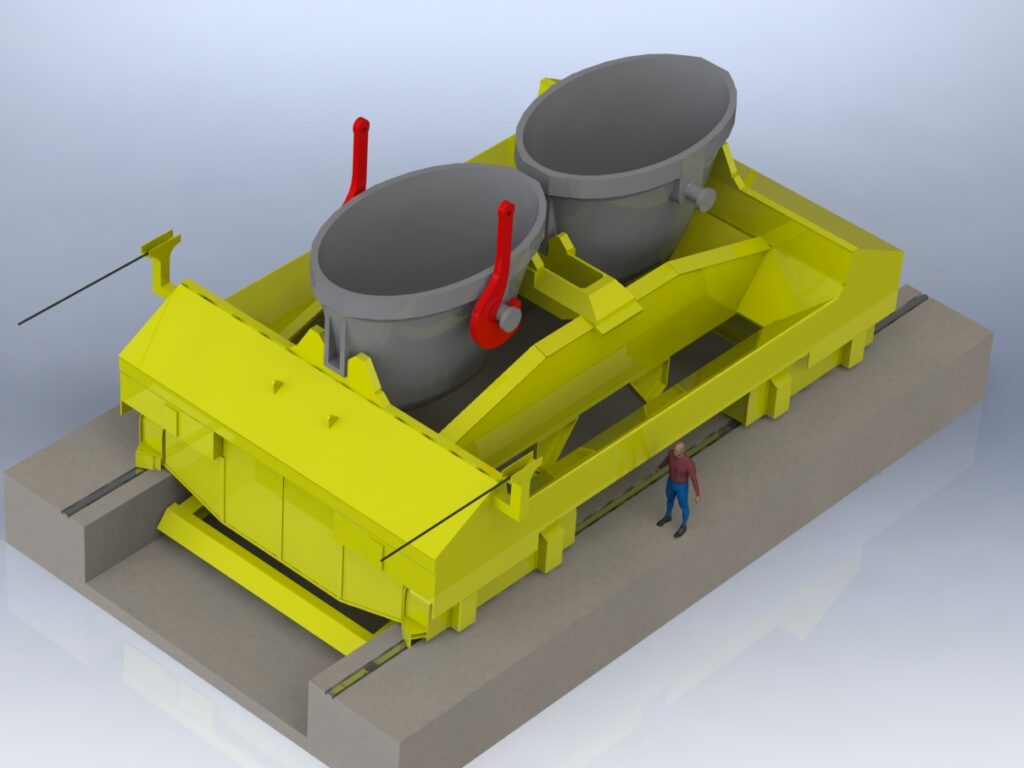
How to Specify a Ladle Transfer Car In a melt shop, the ladle transfer car is not just another piece of equipment—it is a critical link between furnace, preheat station, and caster. Any failure or under-specification can cause production delays, safety risks, and costly downtime. That’s why it is essential to approach ladle transfer car […]
Off Gas, Slag & Yield: 7 Practices to Improve EAF Performance
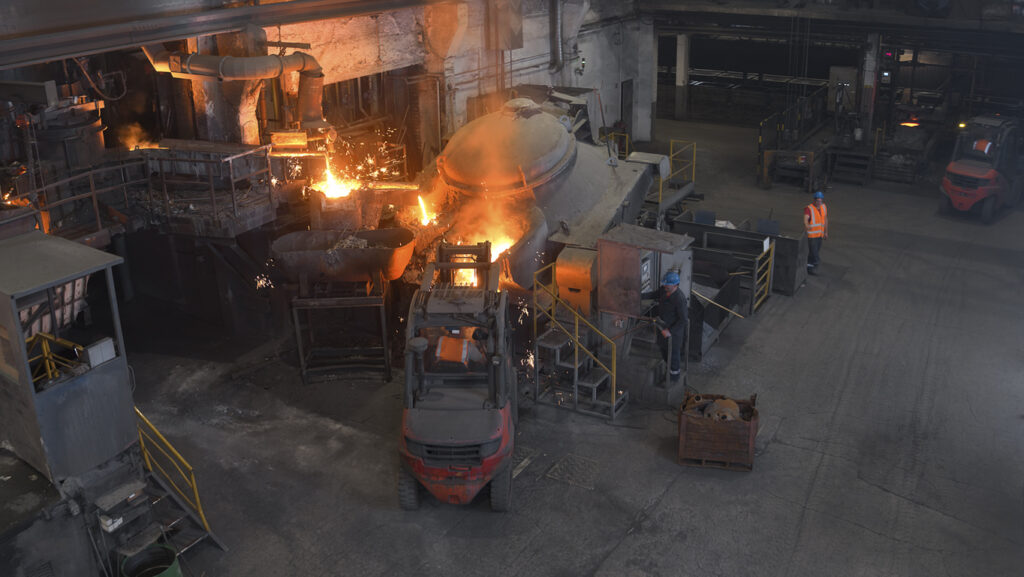
EAF Off-Gas, Slag Practice & Yield Improvement Modern electric arc furnaces are more efficient than ever—but even small process losses can compound into millions in wasted energy or metal. From fume control to slag conditioning, the key to higher yield lies in disciplined furnace practice and smart automation. Optimizing EAF slag practice yield not only […]
DLE vs Evaporation Ponds: Speed, Yield & Water Use
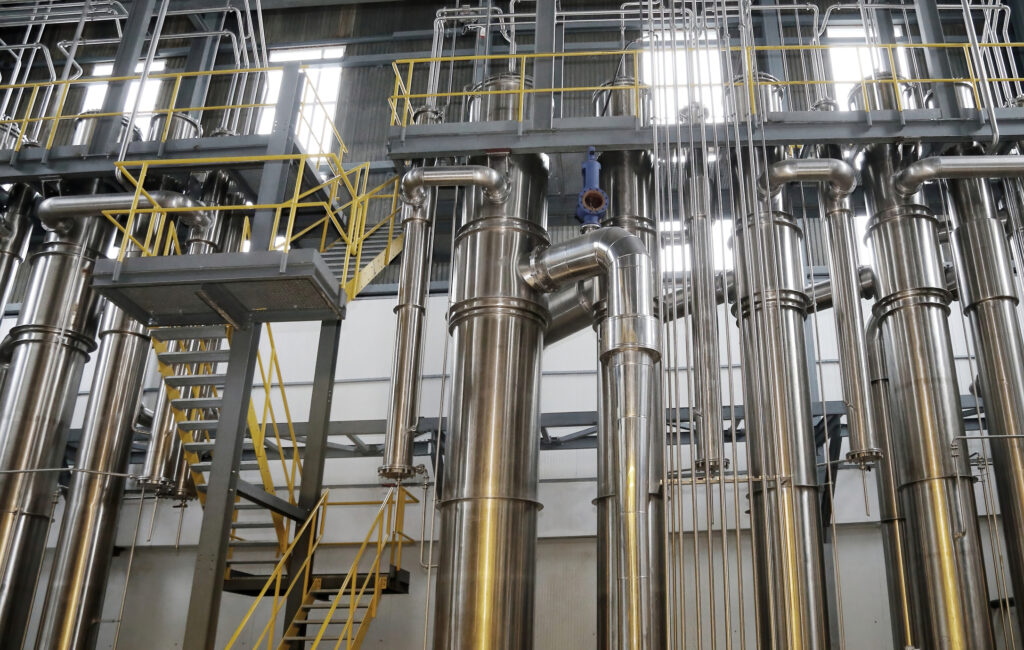
DLE vs Evaporation Ponds: Key Comparison As lithium demand accelerates, the debate between DLE vs evaporation ponds has shifted from theory into project planning. When choosing between them, three metrics often determine the decision: speed, yield, and water (and land) use. Below is a structured breakdown to help decision-makers assess which route is best for […]
Heat & Mass Balance in AOD: Practical Modeling for Better Heats
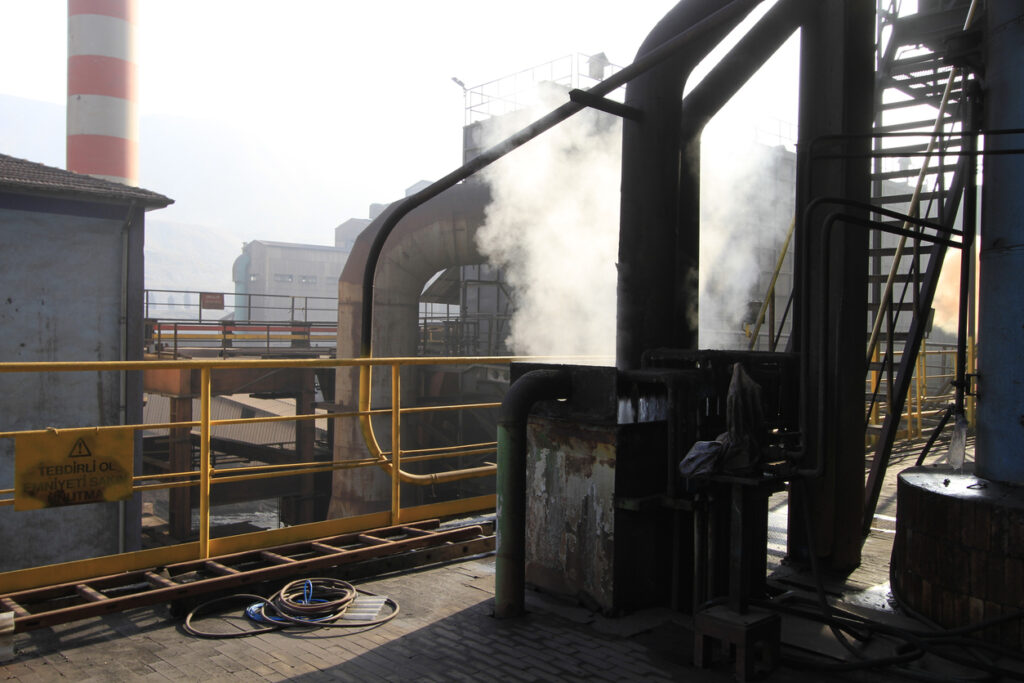
AOD Heat & Mass Balance 101 A heat and mass balance is one of the most powerful tools an argon oxygen decarburization (AOD) operation can use to improve consistency, reduce the cost per ton, and eliminate rework. By modeling where the heat comes from, where it goes, and how materials flow throughout the process, melt […]