
Reliable Material Handling Solutions for the Steel, Chemical & Rail Industries
In today’s industrial landscape, the difference between a facility that thrives and one that struggles often comes down to the reliability of its material handling systems. For organizations operating in the steel, chemical, and rail sectors, equipment is not merely an asset—it is the backbone of daily production. When systems fail, the financial implications ripple across the entire supply chain, making the choice of material handling solutions a critical strategic decision.
The Foundation of Industrial Resilience: Why Reliability Matters
Defining Reliability in Harsh Environments
Whiting Equipment Canada knows that reliability in heavy industry is defined as the ability of material handling equipment to perform under continuous, high-stress conditions without unexpected failure. Whether dealing with the abrasive dust of a steel mill or the corrosive atmosphere of a chemical plant, equipment must be engineered for endurance. True reliability goes beyond a manufacturer’s warranty; it is rooted in materials science, robust design, and an unwavering commitment to maintenance and structural integrity.
The Cost of Downtime in Heavy Industry
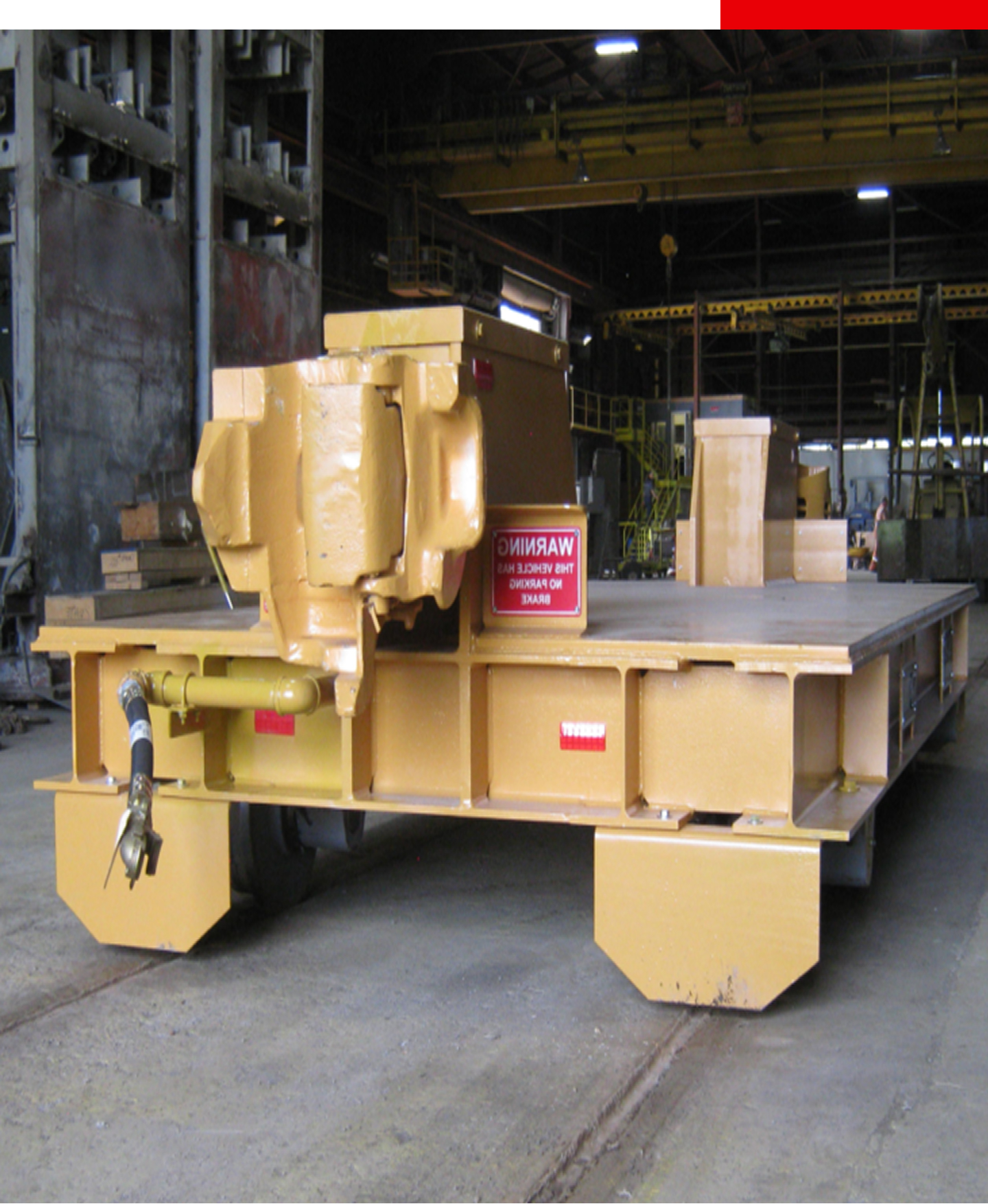
Downtime is the silent thief of productivity. When a critical transfer car fails or a steel ladle loses its functional capacity, the hourly cost of idle labor, halted production lines, and missed delivery windows can climb into the thousands. By prioritizing high-quality material handling systems, companies insulate themselves against these avoidable losses. An investment in durable equipment is essentially an insurance policy against the unpredictable costs of emergency repairs.
Moving Beyond Product Catalogs to Operational Strategy
Many vendors treat material handling as a commodity, offering catalogs of static products. However, industry leaders know that superior outcomes come from operational strategy. It is not just about installing an AGV system; it is about analyzing the workflow to ensure that every movement—from the moment raw materials arrive at the fabrication shop to the final dispatch of the finished product—is seamless, safe, and efficient.
Engineering for Extremes: Material Selection and Durability
Corrosion Resistance: The Case for Galvanized and Stainless Steel
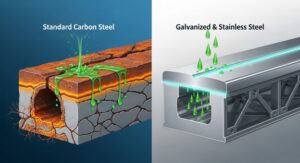
Standard carbon steel quickly degrades in harsh chemical environments, whereas galvanized and stainless steel provide a protective barrier that significantly extends equipment lifespan.
Chemical environments demand materials that can survive aggressive chemical exposure. Using standard carbon steel in such settings is a recipe for premature degradation. Incorporating stainless steel components and hot-dip galvanized finishes provides a protective barrier that extends the life of Steel, Chemical, and rail material handling systems exponentially.
Managing Heavy Loads and High-Impact Environments
In heavy industries, the physical forces at play are immense. Equipment must be designed to withstand high-impact loading and the dynamic stress caused by massive weights. High-strength steel alloys and reinforced structural designs ensure that your infrastructure remains stable even when subjected to the repetitive, punishing cycles of a 24/7 manufacturing facility.
Why “Go Galvanized?” for Chemical and Outdoor Rail Applications
Galvanization is more than an aesthetic choice; it is a vital engineering safeguard for outdoor rail logistics and chemical processing. The process creates a metallurgical bond that protects steel from oxidation and environmental weathering. For outdoor storage and transport solutions, galvanized coating significantly reduces the maintenance burden and prevents the structural compromise caused by rust.
Steel Industry Solutions: Managing Weight, Shape, and Heat
Optimized Storage for Metals: Cantilever and Roll-Out Racks
The steel industry deals with irregular, long-format stock that is notoriously difficult to store. Cantilever racking is the gold standard here, offering an open-front design that allows for easy forklift and AGV access. For specialized inventory, roll-out racks allow operators to pull heavy steel sections into the aisle, streamlining retrieval and improving safety.
Heavy-Duty Lifting: Coil Clamps, Beam Rotators, Overhead Cranes, and AGVs
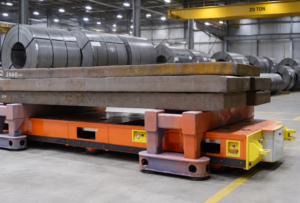
Moving heavy steel coils requires specialized lifting gear that ensures stability and prevents damage to the material. Overhead cranes paired with custom beam rotators provide the precision needed to maneuver massive loads through the fabrication shop. Automated guided vehicle and manually guided vehicle systems can maneuver steel coils along the shop floor intelligently, safely and ergonomically as well, removing any dangers of a catastrophic failure and fall of materials from heights. These systems reduce manual interaction, keeping workers safe and material damage at a minimum.
Streamlining Production Flow with Automated Guided Vehicles and Transfer Systems
Bottlenecks often occur where two processes intersect. AGVs with custom tooling are essential for moving steel sections between workstations without requiring constant forklift intervention. By integrating automated transfer systems, facilities can maintain a continuous flow of materials, ensuring that machines are always fed and production targets are consistently met.
Handling Specialty Stock: Rebar Loading and Steel Coil Management
Whether it is high-volume rebar storage or precise coil management, the ability to organize stock by grade, size, and destination is vital. Efficient systems allow for high-density storage while maintaining immediate access to high-turnover inventory. Ready to streamline your metal handling workflow? Contact us for a facility efficiency audit today.
Chemical Industry Solutions: Safety, Precision, and Contamination Control
Corrosion-Resistant Conveyor Systems and Totes
In chemical manufacturing, material handling systems must be built to withstand exposure to volatile substances. By using non-reactive materials and sealed-bearing assemblies, facilities prevent contamination and mechanical seizure. Implementing these solutions ensures that even the most corrosive environment remains operational and safe.
Specialized Storage: Selective Pallet Racking and Mezzanine Systems
Space is often at a premium in chemical processing plants. Selective pallet racking, when paired with high-capacity AGV systems, allows for vertical space optimization. This dual approach increases storage volume without expanding the facility footprint, allowing for a more organized approach to chemical inventory management.
Ergonomic Workstations and Dust Suppression for Operator Safety
Safety is paramount when dealing with hazardous chemicals. Ergonomic workstations reduce physical strain on operators, while integrated dust suppression systems keep the air clean and compliant with safety regulations. These features protect the workforce and minimize the risk of respiratory issues or workplace accidents.
Modular Solutions for Shifting Chemical Processing Workflows
Chemical market demands can fluctuate rapidly. Modular material handling equipment allows plant managers to reconfigure layouts as production needs shift. Flexibility is the key to agility; if your facility needs a smarter workflow, contact us to explore modular storage and AGV integrations.
Rail Industry Solutions: Durability and Large-Scale Logistics
Long-Material Handling: Roll-Out Cantilever Receptacles for Rail Components
Rail components are often extremely long, heavy, and awkward to store. Roll-out cantilever receptacles are engineered specifically for these dimensions, allowing for secure, organized, and accessible storage. These systems simplify the handling of axles, rails, and sleepers, reducing the time required for loading and offloading tasks.
Loading Dock Equipment for High-Volume Freight
High-volume rail yards require loading dock equipment that can handle massive throughput without failing. Hydraulic levelers, heavy-duty dock seals, and high-speed doors provide the rapid, safe interface between the yard and the transport vessel. Robust hardware here prevents traffic congestion at the loading bay.
Infrastructure Integrity: Seismic Anchoring and High-Strength Mechanical Anchors
A rack is only as stable as the floor it is anchored to. In high-traffic rail environments, seismic anchoring and the use of high-strength mechanical anchors are non-negotiable. These installations ensure that storage systems resist vibration and impact, safeguarding both the personnel and the expensive freight being moved.
Managing Dynamic Loads and Vibratory Conditions in Rail Yards
Vibration can loosen fasteners and weaken structural welds over time. Systems designed for rail yards must account for these dynamic forces. Focus on high-durability hardware that remains tight and secure, even under the constant vibration of heavy freight movement. Do you need a more robust approach to rail logistics? Contact us for a consultation.
Scaling Throughput: From Manual Handling to Integrated Automation
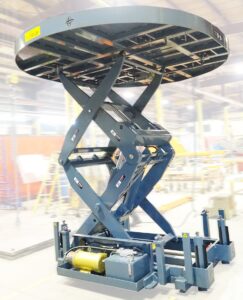
Enhancing Productivity with AGVs, Cranes, and Robotic Systems
Automation is the next frontier in material handling. Automated Guided Vehicle (AGV) cranes and robotic pick-and-place systems can perform repetitive tasks with unmatched speed and accuracy. These tools allow human workers to move from manual labor to supervisory roles, significantly boosting total facility productivity.
Integrated Sortation and Pallet Conveyor Systems
For facilities handling high volumes of varied inventory, integrated sortation systems are a game-changer. These conveyors use sensors and software to categorize and route items to their destination automatically, reducing the error rates associated with manual fulfillment.
Using Vertical Lift Assist and Vacuum Lifts for Ergonomic Efficiency
Lifting heavy or awkward components remains a leading cause of workplace injury. Vertical lift assists and vacuum lifts take the strain off the operator, providing controlled, precise movement of materials. These tools are essential for maintaining safety and speed in any industrial environment.
Data-Driven Inventory Management and Light-Directed Fulfillment
Modern inventory management relies on real-time data. Light-directed fulfillment systems guide operators to the exact shelf and item, drastically increasing picking accuracy. By pairing these systems with robust software, managers gain complete visibility into their inventory levels and workflow bottlenecks.
The “Hidden” Infrastructure: Safety and System Installation
Ultimately, the best material handling equipment will underperform if it is not installed with structural expertise. The “hidden” infrastructure—the quality of the concrete floor, the precision of the leveling, and the integrity of the seismic anchors—defines the long-term success of the installation. A fabrication shop or warehouse is a complex mechanical system, and the installation process must be treated with the same precision as the manufacturing of the equipment itself.
Conclusion
Reliability in material handling is not a luxury; it is the fundamental requirement for competitive advantage in the steel, chemical, and rail industries. By moving away from generic hardware and toward integrated, industry-specific solutions, companies can minimize the crushing costs of downtime, improve safety, and ensure long-term operational resilience.
Whether you are seeking to optimize your storage with cantilever systems, protect your assets from corrosion with galvanized finishes, or scale your output through automation, the path forward is built on strategy and professional partnership. From the foundational integrity of your floor to the advanced software driving your material handling systems, every component plays a role in the total productivity of your business.
If you are ready to move beyond stop-gap fixes and invest in a durable, scalable material handling strategy, we encourage you to take the next step. Contact us today to schedule a comprehensive facility audit or to discuss how our engineered solutions can be customized to meet your specific industrial challenges. Your efficiency is our priority, and we are ready to help you build the future of your operational infrastructure.